




Agriculture Spray Nozzles Manufacturer
Precision spray nozzle systems for crop protection, irrigation, greenhouse misting, livestock cooling and disinfection.
Industry Overview
The agriculture industry demands efficient spray technology for
crop production and animal husbandry. Modern farming operations
face challenges including minimizing chemical use while
maintaining pest control, conserving water in irrigation,
meeting environmental regulations for spray drift, and ensuring
food safety through proper equipment sanitation.
Spray nozzles are critical in crop protection for applying
pesticides, herbicides, and fungicides, irrigation systems for
efficient water delivery, greenhouse operations for misting and
cooling, livestock facilities for animal cooling and
disinfection, and equipment cleaning for farm machinery and food
safety compliance.
Agricultural Operations
Crop Protection
Pesticide, Herbicide & Fungicide Application
Irrigation
Field Irrigation, Drip & Overhead Spray
Greenhouse
Misting, Cooling & Humidification
Livestock
Animal Cooling & Disinfection
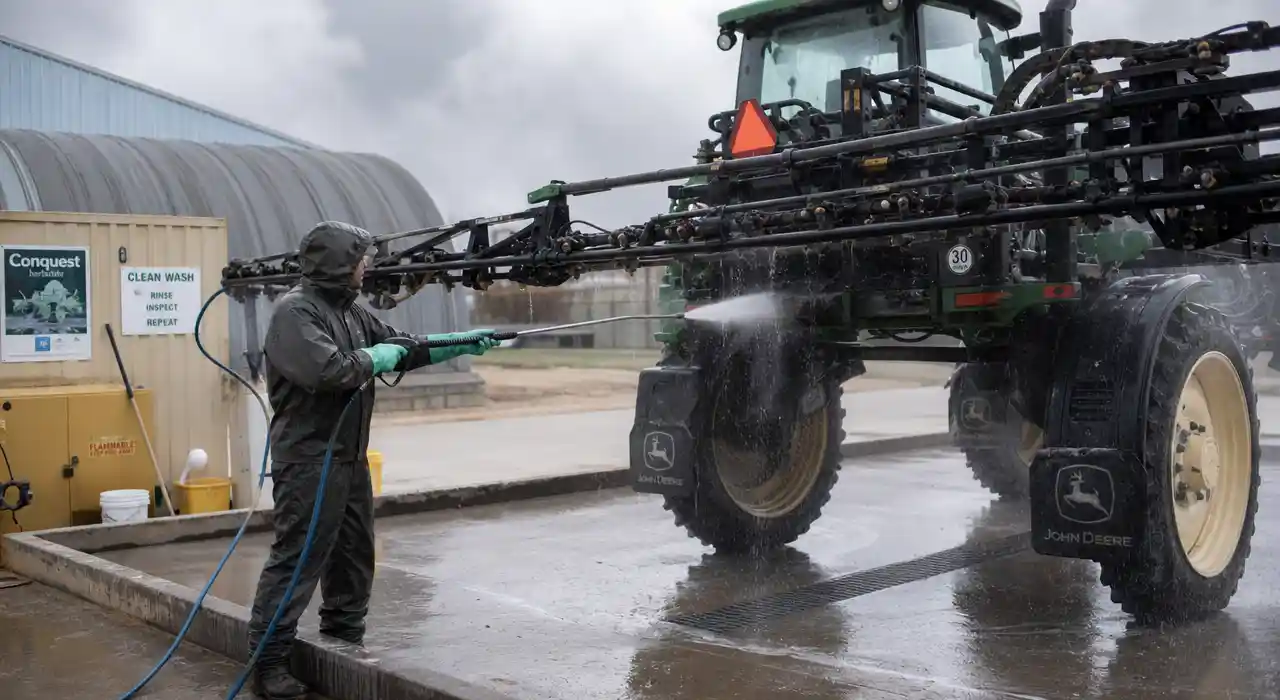
Equipment Cleaning
Sprayer Cleaning & Food Safety
Post-Harvest
Produce Washing & Disinfection
Agriculture Industry Challenges & Solutions
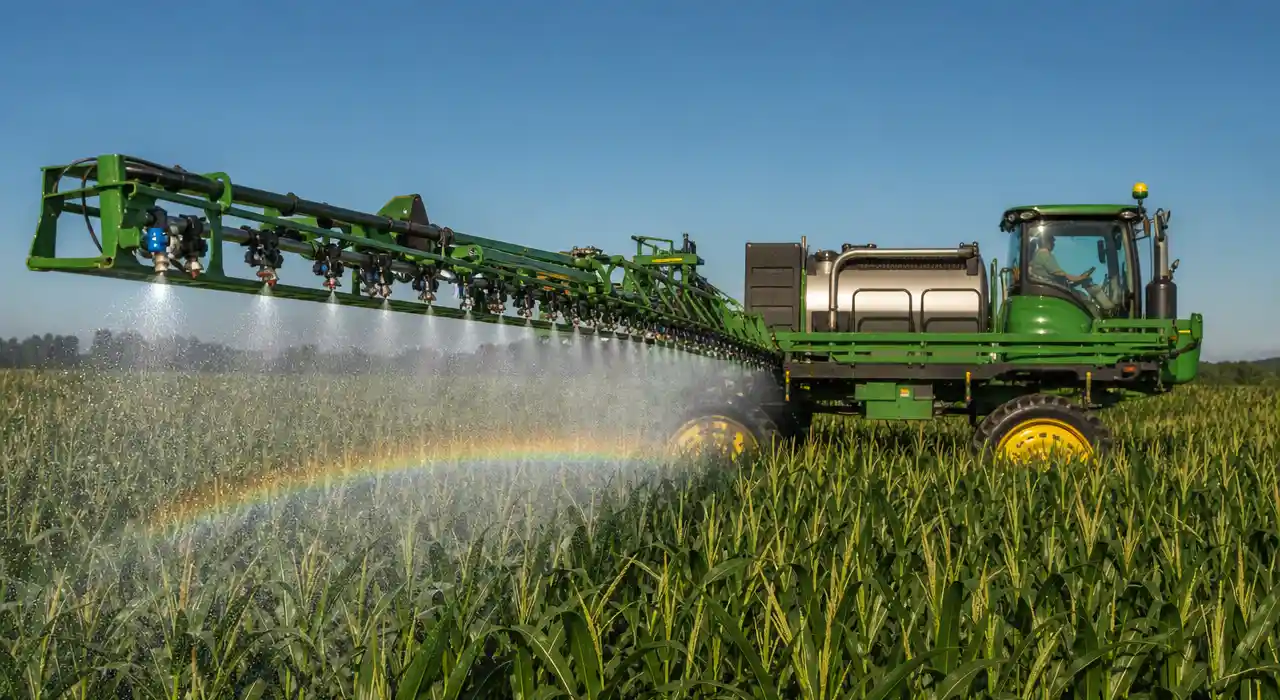
Achieving Uniform Pesticide Coverage
ChallengeInconsistent pesticide spray coverage leaves unprotected crop areas allowing pest damage, disease development, and weed competition reducing yields by 10-50%. Non-uniform application creates over-application zones wasting expensive chemicals (typical pesticide costs $30-300 per hectare) and generating environmental concerns. Spray drift from coarse droplets (>500 microns) falling outside target areas causes off-target damage to sensitive crops, contamination of water bodies, and regulatory violations.
SolutionOur agricultural spray nozzles deliver optimized droplet sizes of 200-400 microns balancing coverage and drift control achieving 90-95% on-target deposition, provide flat fan patterns with ±5% flow uniformity across boom width ensuring consistent coverage, feature anti-drift designs producing controlled droplet spectra meeting regulatory requirements, and incorporate color-coded quick-change systems enabling rapid nozzle selection for different chemicals and conditions. Self-cleaning designs with large vortex chambers resist clogging from suspended particles. Typical installations improve pest control efficacy by 15-30% while reducing chemical use by 10-20%.
View Coating & Spraying Solutions →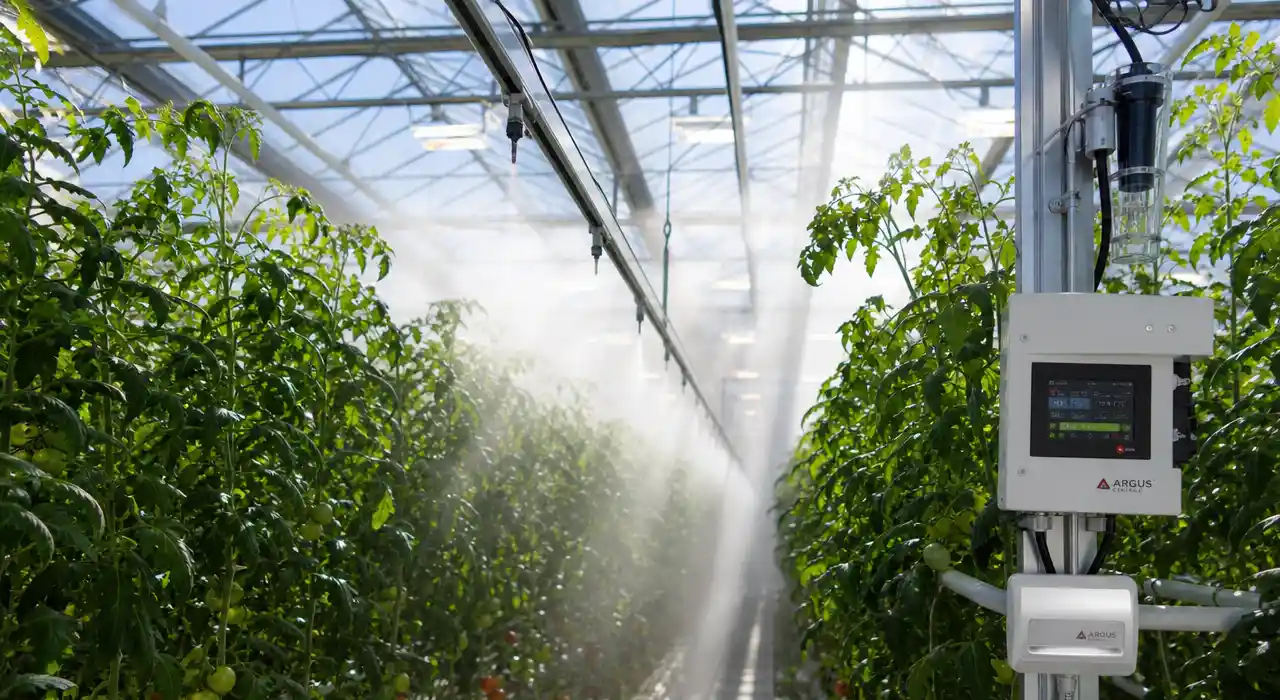
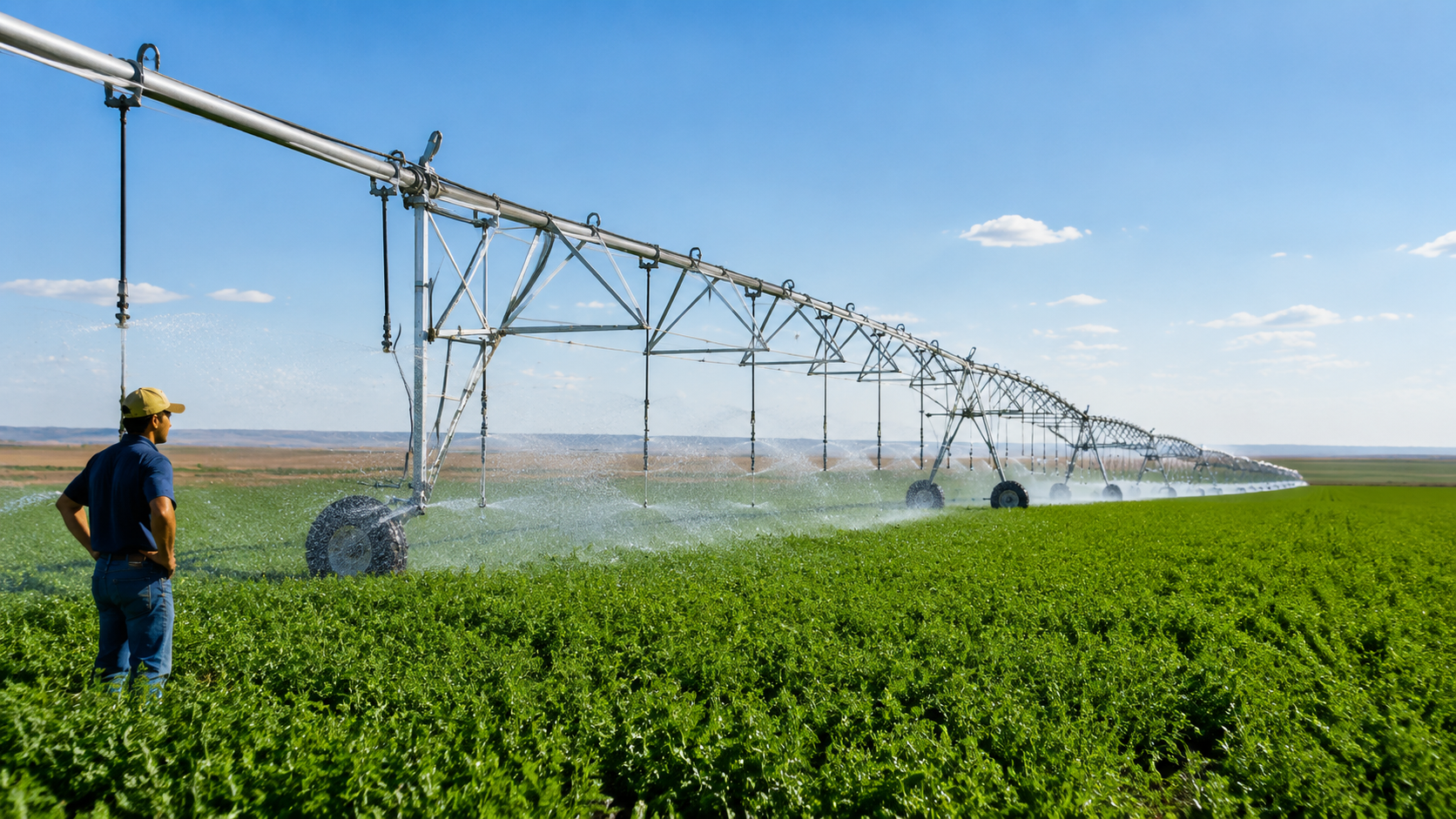
Maximizing Irrigation Water Efficiency
ChallengeAgricultural irrigation consumes 70% of global freshwater withdrawals with typical field application efficiency of only 50-75% meaning 25-50% of pumped water lost to evaporation, runoff, or deep percolation. Non-uniform water distribution creates over-irrigated areas causing waterlogging, nutrient leaching, and disease while under-irrigated areas suffer moisture stress reducing yields. Poor distribution uniformity (>20% variation) forces farmers to over-irrigate compensating for dry areas wasting water.
SolutionOur irrigation spray nozzles provide high distribution uniformity (DU >85%) ensuring even water application minimizing over/under-watered areas, deliver precise flow rates at low operating pressures (1-3 bar) reducing pumping energy by 30-50%, feature wide spacing capability (12-18 meter throw radius) reducing piping costs, and incorporate pressure-compensating designs maintaining consistent flow. Typical irrigation retrofits improve water use efficiency from 65-75% to 80-90% saving 15-30% of water volume with payback periods of 2-4 years.
View Agriculture & Disinfection Solutions →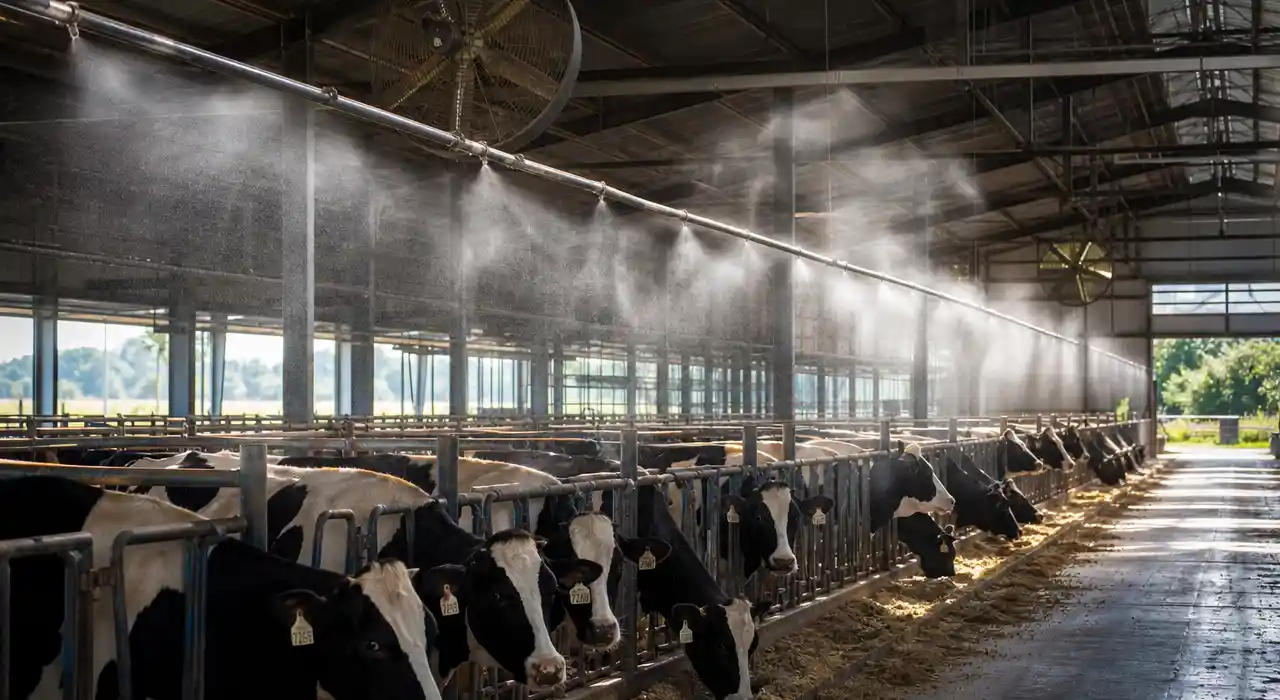
Controlling Greenhouse Climate Efficiently
ChallengeGreenhouse temperature control during summer prevents heat stress affecting plant growth and quality. Traditional ventilation cooling provides limited temperature reduction (2-5°C) insufficient during extreme heat. Air conditioning systems consume excessive energy ($0.50-2.00 per m² daily). Humidity control prevents foliar diseases including powdery mildew and botrytis requiring 60-80% RH for most crops. Over-wetting from coarse spray causes foliar disease and substrate over-saturation.
SolutionOur greenhouse misting nozzles deliver fine atomization producing 10-50 micron droplets that evaporate instantly providing 10-15°C cooling without wetting foliage, create uniform climate distribution throughout greenhouse zones, use low water volume (2-8 L/min per 100 m²) avoiding over-saturation, and integrate with automated control based on temperature, humidity, and VPD sensors. Anti-drip designs prevent post-shutdown dripping. Typical installations reduce peak temperatures from 38-45°C to 25-30°C with energy savings versus air conditioning of 80-90%.
Preventing Livestock Heat Stress
ChallengeLivestock heat stress during summer reduces animal productivity with dairy milk production declining 10-35% above 25°C, pig growth rates decreasing 15-30%, and poultry mortality increasing dramatically above 30°C. Heat stress causes annual economic losses of $1-2 billion in US livestock industries. Traditional cooling using fans alone provides limited relief. Water consumption for animal cooling using soakers ranges from 50-200 liters per animal daily straining water resources.
SolutionOur livestock cooling spray nozzles deliver fine mist evaporating on animal skin surfaces providing effective cooling from minimal water (5-20 L per animal daily), create uniform coverage throughout barn zones, use automated control activating spray during heat stress periods (>24°C), and feature large orifices (1-3mm) resisting clogging from hard water minerals. Typical installations maintain milk production within 5-10% of baseline versus 20-35% decline without cooling, improve pig growth rates by 10-20%, and reduce poultry mortality from heat stress to near zero.
View Agriculture & Disinfection Solutions →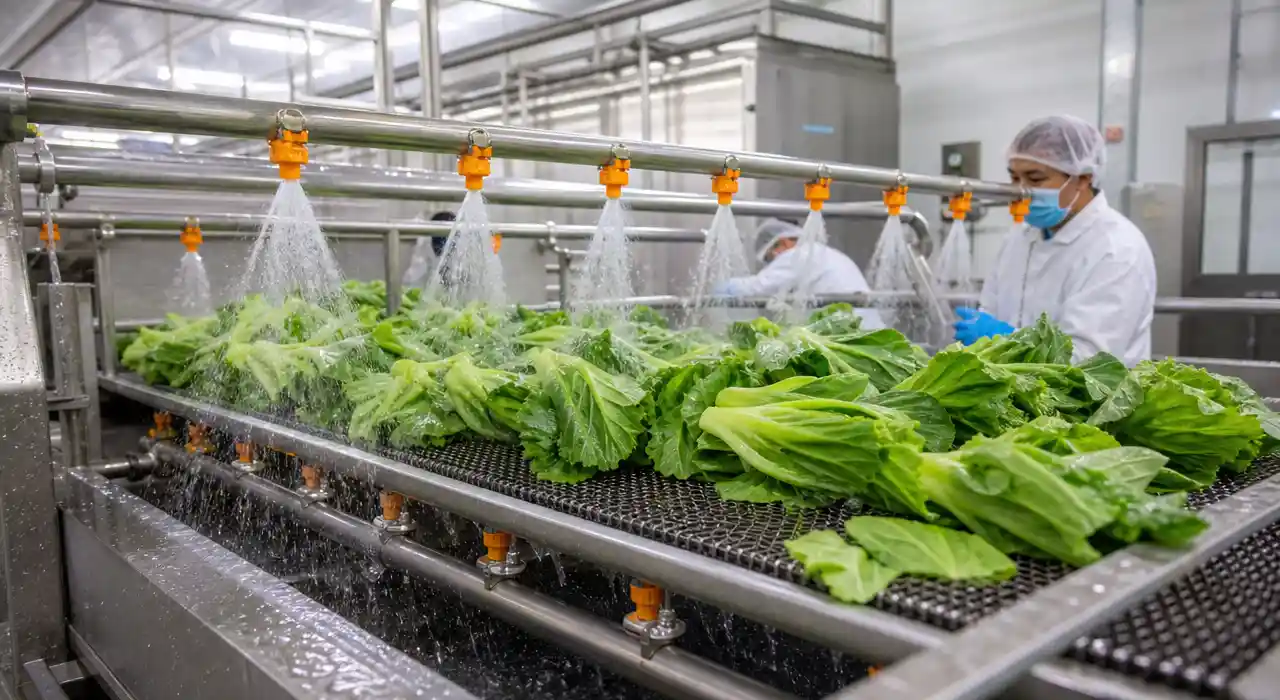
Ensuring Biosecurity Through Effective Disinfection
ChallengeLivestock disease outbreaks including African Swine Fever, Avian Influenza, and Foot-and-Mouth Disease cause catastrophic economic losses through animal mortality, trade restrictions, and mandatory culling. Inadequate biosecurity enables disease transmission between farms. Manual disinfection using backpack sprayers provides inconsistent coverage leaving contaminated areas. Coarse spray (>500 microns) creates puddles and runoff without effective surface contact. Insufficient contact time allows pathogen survival.
SolutionOur agricultural disinfection spray nozzles deliver controlled droplet sizes of 100-300 microns ensuring surface coverage without excessive runoff, provide uniform distribution across targeted surfaces including floors, walls, equipment, and vehicles, feature chemical-resistant materials (PVDF, 316SS) withstanding oxidizing disinfectants including chlorine, quaternary ammonium, and peroxyacetic acid, and integrate with automated foaming systems increasing contact time on vertical surfaces. Typical disinfection protocols achieve 3-5 log reduction (99.9-99.999% kill) of target pathogens when proper concentration and contact time maintained.
View Agriculture & Disinfection Solutions →Agriculture Application Example
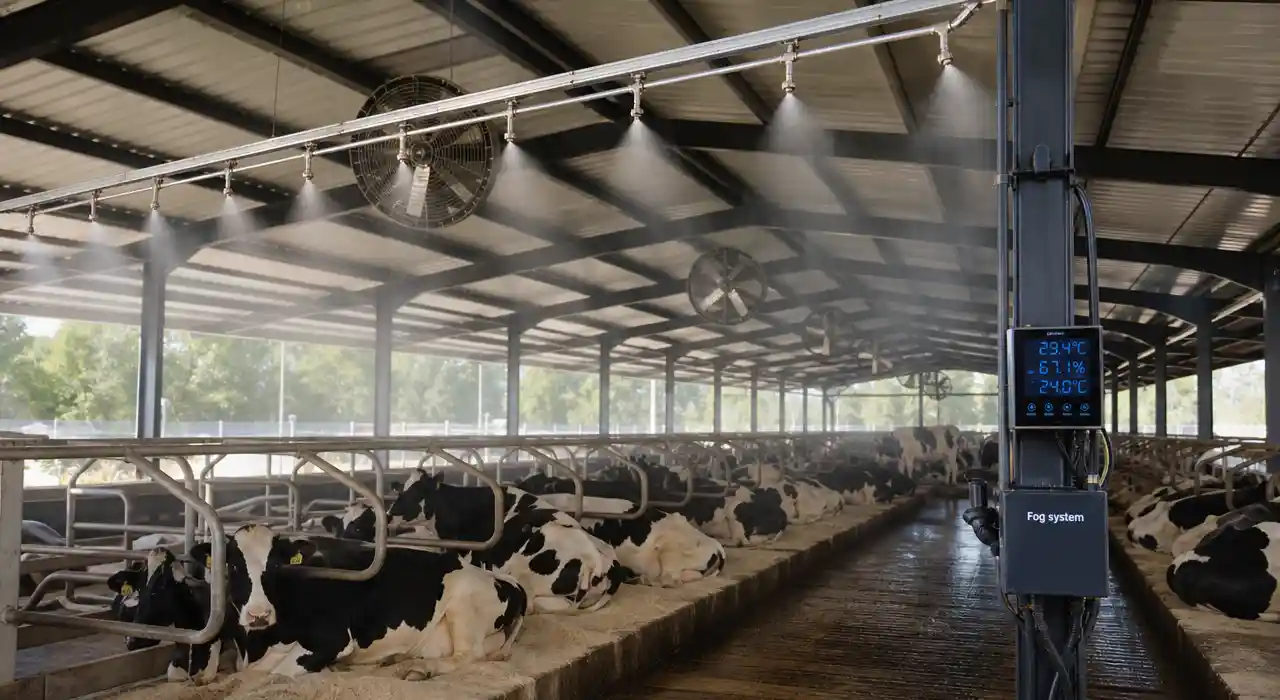
Dairy Farm Cooling System for Heat Stress Prevention
Problem: A 500-cow dairy farm experienced severe summer heat stress with barn temperatures reaching 32-38°C during July-August. Milk production declined from 32 kg/cow/day in spring to 20 kg/cow/day during peak heat representing 35% production loss and $150,000 annual revenue decline. Existing fan ventilation provided insufficient cooling. Soaker systems consumed 150 liters water per cow daily totaling 75,000 liters creating muddy conditions and manure management problems.
Solution: Installed high-pressure fogging system with 50 misting nozzles throughout barn creating fine mist (20-40 microns) that evaporates before reaching surfaces. Implemented automated control activating misting when temperature exceeded 24°C and humidity below 85% preventing over-wetting. Reduced water consumption from 150 to 15 liters per cow daily through evaporative cooling efficiency. Added circulation fans distributing cooled air throughout barn.
Results:
- Summer milk production maintained within 8-12% of baseline versus 25-35% decline without cooling
- Water consumption reduction of 85-90% through misting versus soakers
- Elimination of muddy conditions improving cow hygiene and reducing mastitis
- Heat stress health issues reduction by 60-80% with system payback within 1-2 years
Why Choose Us for Agricultural Spray Systems
Industry Experience
Deployments
Customization
Engineering Support
Recommended Nozzle Solutions
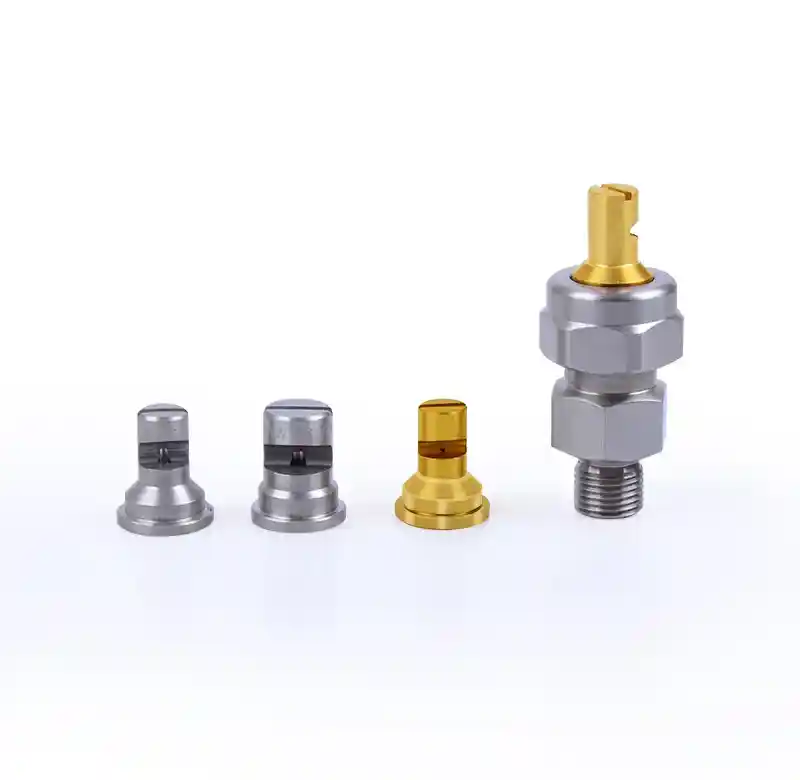
CC Flat Fan Spray Nozzle
Application: Crop spraying, herbicide application, field sprayers
Material: 316 Stainless Steel / Polymer
View Details →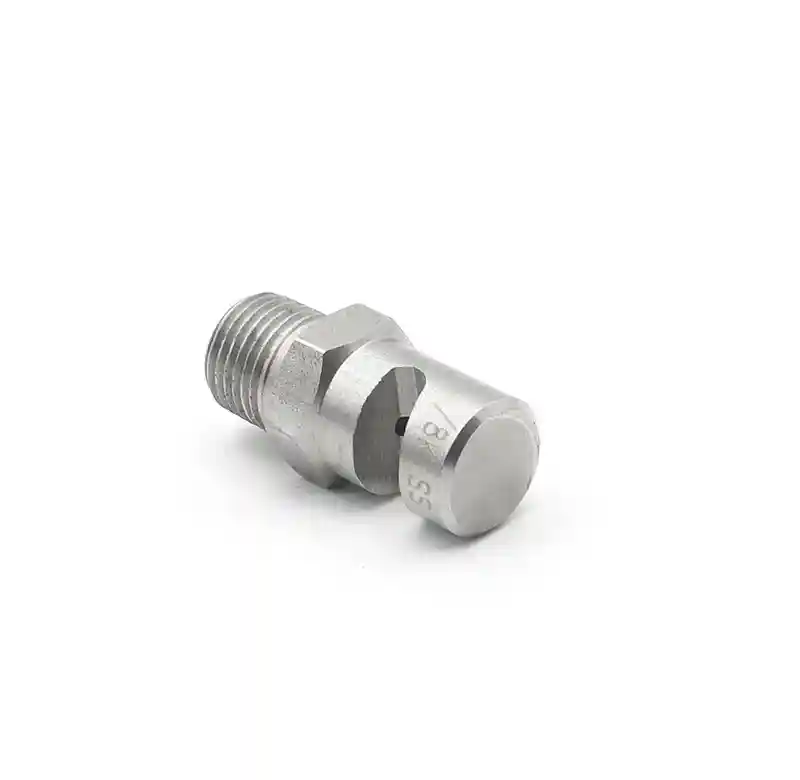
BB Series Full Cone Nozzle
Application: Irrigation, livestock cooling, greenhouse misting
Material: 316 Stainless Steel / Brass
View Details →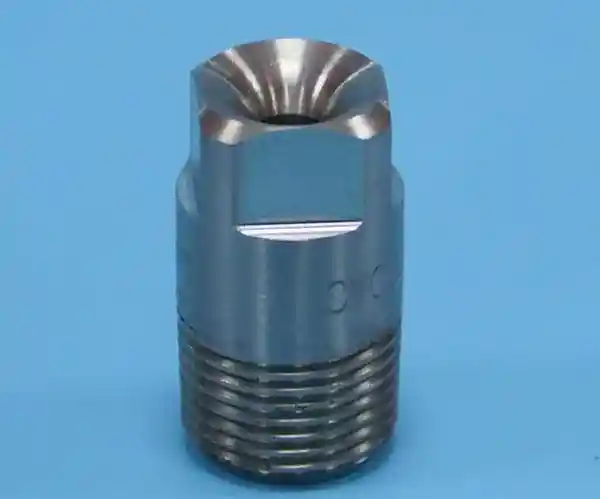
Fine Atomizing Nozzle
Application: Greenhouse misting, fine spray, humidity control
Material: Stainless Steel
View Details →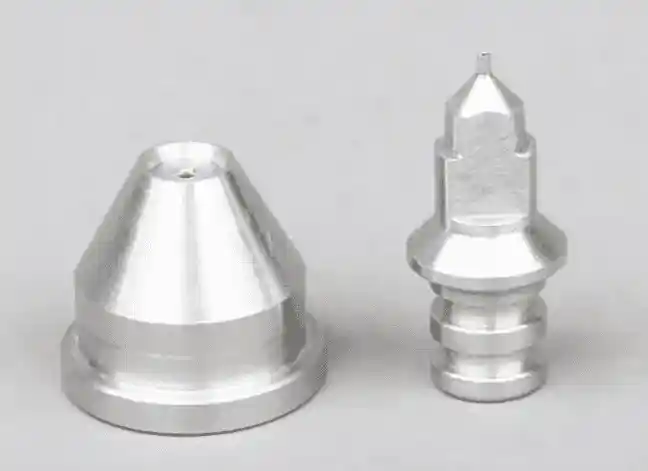
ADG Ultrasonic Atomizing Nozzle
Application: Ultra-fine mist, evaporative cooling, fogging systems
Material: PVDF + Stainless Steel
View Details →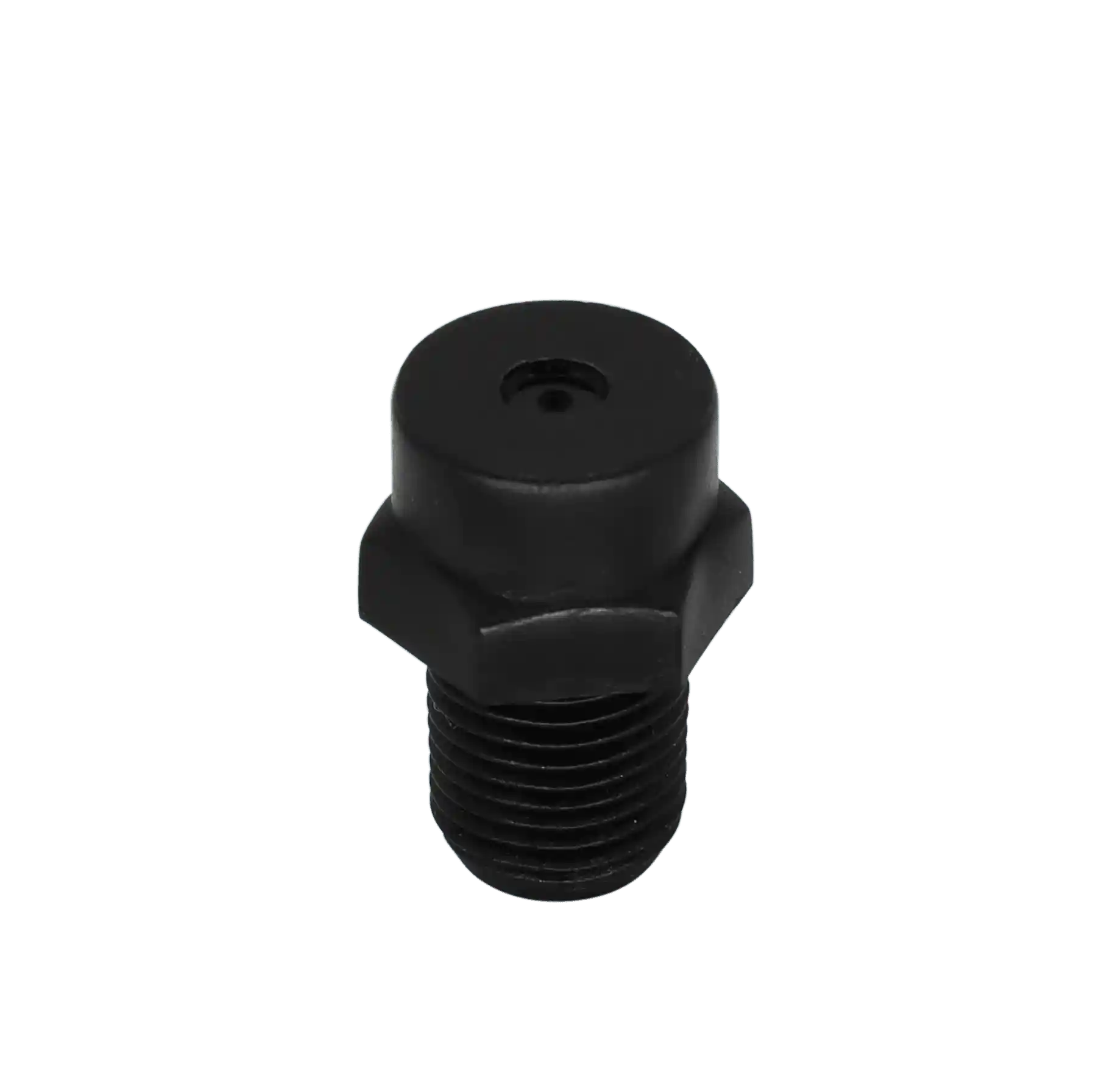
CYC-001 Plastic Misting Nozzle
Application: Low-cost misting, irrigation, greenhouse applications
Material: Polyacetal (POM)
View Details →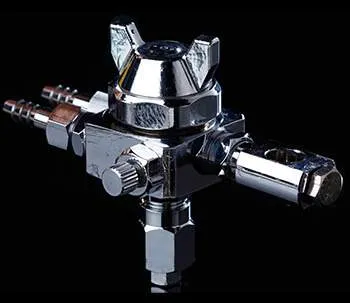
PVDF Chemical Resistant Nozzle
Application: Agricultural chemicals, disinfection, fertilizer spray
Material: PVDF
View Details →Frequently Asked Questions
Agricultural operations use specialized nozzles for multiple applications. Crop protection spraying requires flat fan nozzles producing 200-400 micron droplets achieving uniform coverage while minimizing drift with flow rates of 0.5-3 L/min per nozzle at 2-5 bar pressure and spray angles of 80-110° providing overlap between nozzles on boom sprayers. Irrigation systems employ full cone or rotating nozzles distributing water uniformly across crop areas with throw radius of 5-20 meters depending on pressure and nozzle size. Greenhouse misting uses fine atomizing nozzles creating 10-50 micron droplets for evaporative cooling and humidity control. Livestock cooling requires medium-pressure (10-40 bar) misting nozzles producing 50-150 micron droplets that evaporate on animal surfaces. Disinfection spraying employs fan or cone patterns delivering 150-400 micron droplets ensuring surface coverage. All agricultural nozzles must provide chemical resistance to pesticides, fertilizers, and disinfectants using materials including polyacetal, PVDF, or 316SS, resist clogging from suspended particles and hard water minerals through self-cleaning designs and adequate orifice sizes (0.5-3mm).
Yes, we manufacture anti-drift spray nozzles meeting environmental regulations and minimizing off-target pesticide movement. Our drift reduction nozzles feature venturi or air induction designs incorporating air into spray droplets creating larger effective sizes (300-600 microns) that resist wind drift while maintaining coverage through droplet expansion on impact. Pre-orifice designs produce controlled droplet spectra eliminating fine driftable droplets below 150 microns. Wide-angle flat fan patterns (110-130°) enable low boom height (30-50cm) reducing distance droplets travel in wind. Materials use chemical-resistant polymers withstanding glyphosate, 2,4-D, and other agricultural chemicals. Typical drift reduction of 50-75% versus conventional nozzles enables spraying in higher wind speeds (up to 15 km/h) extending application windows and reducing buffer zone requirements. Color-coded quick-attach systems enable rapid nozzle selection for different chemicals and wind conditions.
Greenhouse climate control requires precision misting nozzles creating fine droplets for evaporative cooling and humidity management. We recommend high-pressure fogging nozzles (40-100 bar) producing 5-20 micron droplets that evaporate instantly providing maximum cooling without wetting plants with minimal water consumption (1-4 L/min per 100 m²). Medium-pressure misting (10-40 bar) with 20-50 micron droplets suitable for general humidity control and moderate cooling. Low-pressure systems (3-10 bar) creating 50-150 microns provide humidity without significant cooling. All greenhouse nozzles use anti-drip designs with check valves preventing post-shutdown dripping. Stainless steel or brass construction resists corrosion in humid environments. Automated control integration with temperature and humidity sensors maintains target conditions (typical setpoints: 20-28°C, 60-80% RH). Typical installations achieve 8-15°C cooling during peak summer heat with energy savings versus air conditioning of 80-90%.
Yes, we provide replacement spray nozzles for agricultural equipment improving performance and efficiency. Our team evaluates current spray system effectiveness through coverage analysis, droplet size measurement, and flow testing, documents existing nozzle specifications and mounting standards, identifies issues including clogging, wear, or improper droplet spectra, and recommends upgrades for improved efficacy or regulatory compliance. We offer direct replacements for all major agricultural nozzle standards including quick-attach, bayonet, and threaded mounts maintaining compatibility with existing boom sprayers, irrigation systems, and greenhouse equipment while upgrading to anti-drift designs reducing off-target movement by 50-75%, chemical-resistant materials extending service life 2-4x, or optimized spray patterns improving coverage uniformity from ±15% to ±5% variation. Irrigation nozzle retrofits improve distribution uniformity from 70-80% to 85-95% enabling water savings of 15-30%. Most agricultural nozzle upgrades achieve payback within 1-3 seasons through chemical savings, improved crop yields, water conservation, or reduced energy costs.
Farms achieve 20-40% water consumption reduction through irrigation and cooling system optimization. For irrigation, upgrade to high-uniformity nozzles (DU >85%) eliminating over-watering, implement soil moisture monitoring activating irrigation only when crop water stress detected reducing unnecessary applications by 20-40%, convert flood or furrow irrigation to sprinkler or drip systems improving application efficiency from 40-60% to 75-90%, and optimize irrigation scheduling using evapotranspiration calculations. For livestock cooling, replace soaker systems consuming 100-200 L per animal daily with high-pressure misting using 10-30 L achieving equivalent cooling through evaporative efficiency, implement automated control activating cooling only during heat stress periods (>24°C), and optimize misting duration using short cycles (30-60 seconds every 5-15 minutes). Typical combined savings of 1,000-10,000 m³ monthly represent $500-5,000 annual cost reduction plus reduced pumping energy.
Agricultural spray nozzle maintenance ensures consistent performance and prevents costly spray failures. Crop protection nozzles require inspection before each spray season checking for wear, damage, or clogging, flow testing measuring individual nozzle flow rates detecting wear when flow increases >10% above specification, and cleaning after each use preventing pesticide residue buildup. Replace spray nozzles annually or after 200-300 hours operation in abrasive conditions. Irrigation nozzles need monthly visual inspection, seasonal flow testing verifying uniform distribution, descaling treatment removing mineral deposits from hard water, and winterization in freezing climates. Greenhouse misting nozzles require weekly inspection for clogging, monthly cleaning using ultrasonic cleaning or descaling solution, and annual preventive replacement. Livestock cooling nozzles need bi-weekly inspection and cleaning removing mineral scale and dust. All agricultural spray systems benefit from inline filtration (50-200 mesh) capturing particles before nozzles. Spare nozzle inventory should include 20-30% of installed quantity enabling rapid field replacement.