



Customer pain: Nozzle degradation from harsh chemicals.
Requirement: Corrosion-resistant materials (316SS, PVDF).
High-performance nozzles for metal surface pretreatment, phosphating, degreasing, pickling, and electroplating line cleaning. Durable, corrosion-resistant designs for harsh chemical environments.
Customer pain: Nozzle degradation from harsh chemicals.
Requirement: Corrosion-resistant materials (316SS, PVDF).
Customer pain: Incomplete cleaning of complex geometries.
Requirement: High-pressure needle nozzles, accurate targeting.
Customer pain: Fire risk in paint and coating areas.
Requirement: Water mist fire suppression integration.
Cleaning and preparation of metal surfaces prior to coating, painting, or other finishing processes. Removal of oils, oxides, and contaminants ensures proper adhesion of subsequent coatings.
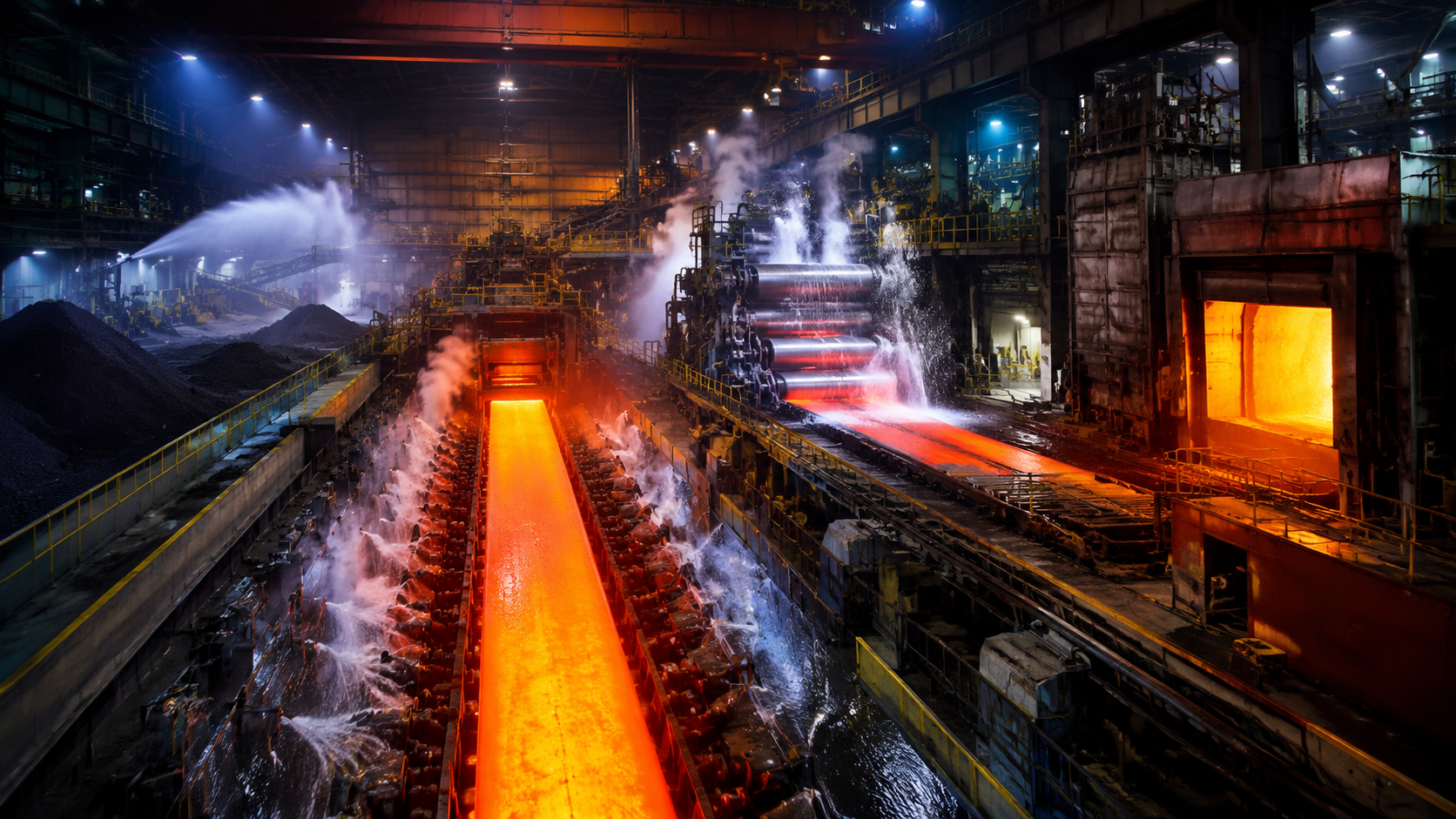
Associated Industries: Steel · Automotive
Treatment Challenges:
Recommended Products:
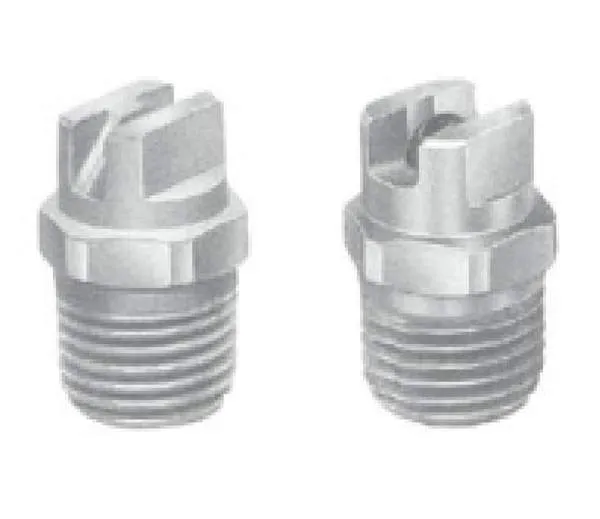 MEG-275 High Pressure – 275 bar, 0°–65°, alloy steel
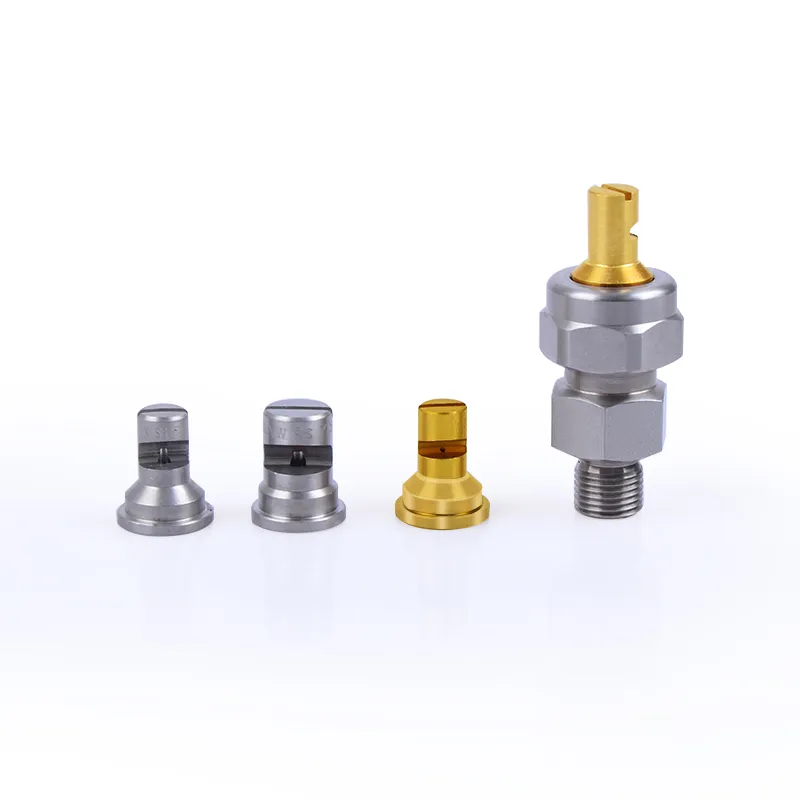 CC Flat Fan Nozzle – 0.3–35 bar, 15°–110°
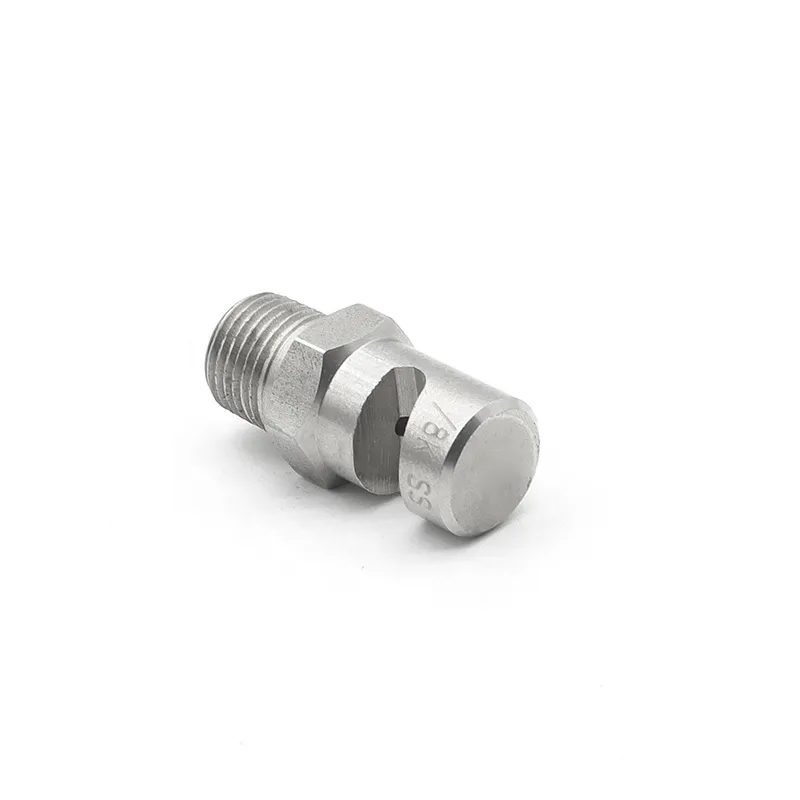 W Wide Angle Flat Fan – 70°–140°, 0.2–4 bar
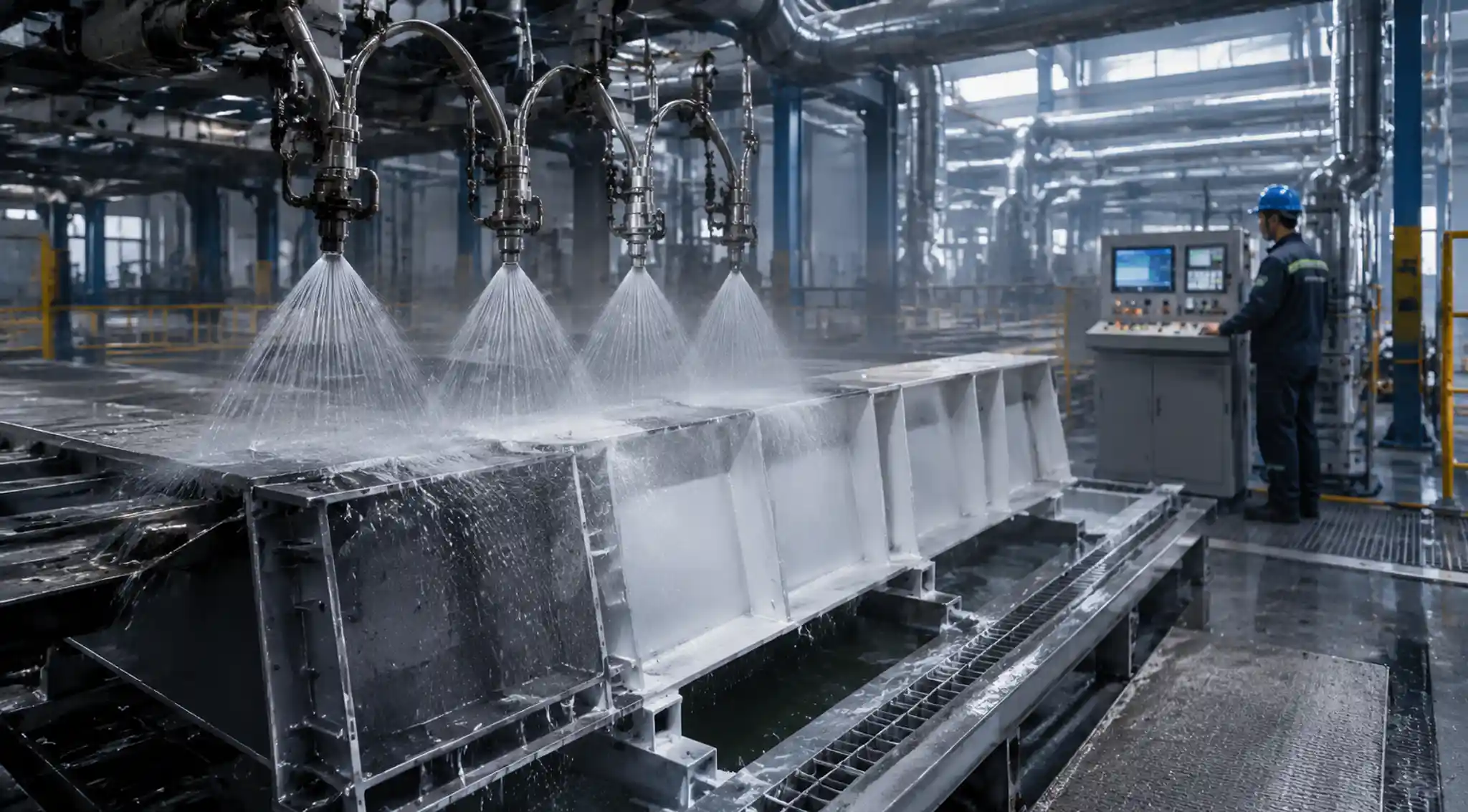
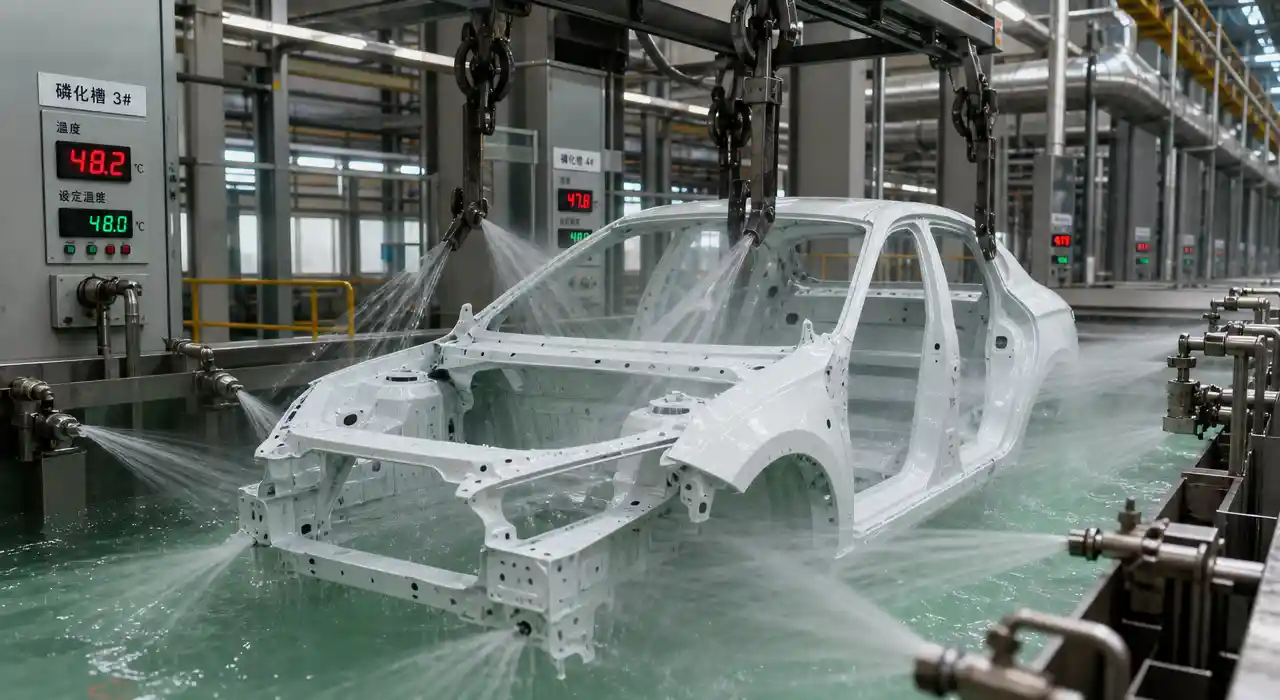
Application of phosphate conversion coatings for corrosion protection and paint adhesion. Phosphating creates a crystalline layer that improves paint bonding and provides temporary corrosion resistance.
Associated Industries: Automotive
Treatment Challenges:
Recommended Products:
CC Flat Fan Nozzle 0.3–35 bar, 15°–110°
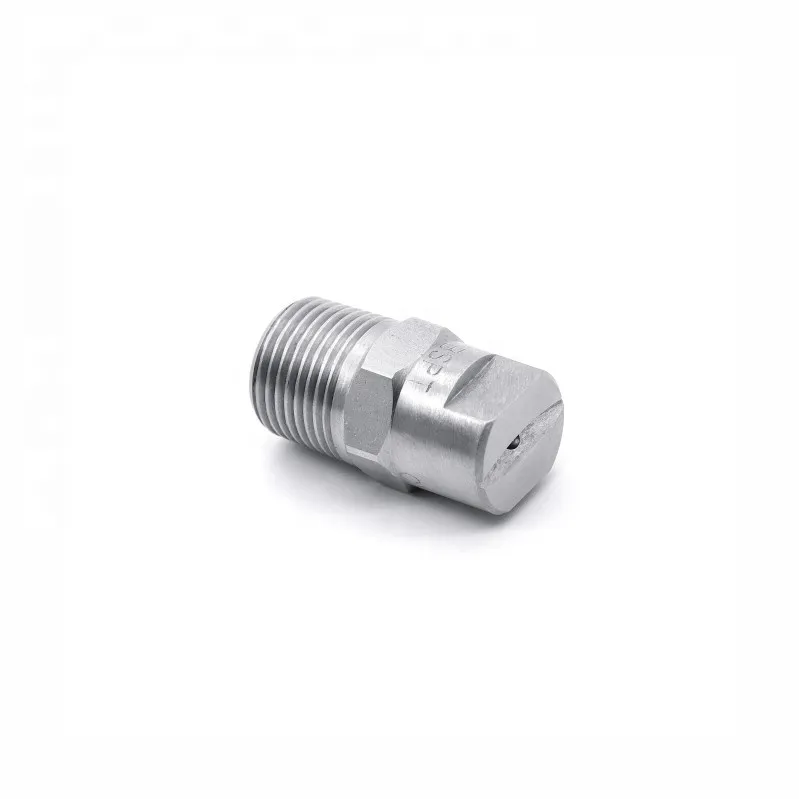 HU Industrial Flat Fan – 0.3–35 bar, 0°–110°
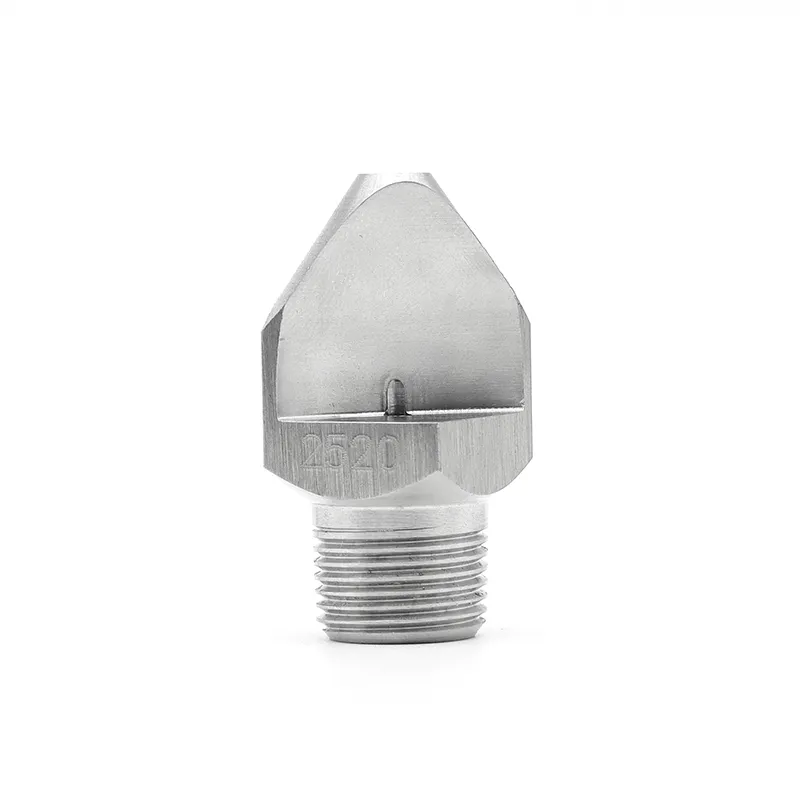 V Narrow Angle Flat Fan – high impact, brass/316SS
Cleaning and rinsing of parts between electroplating baths for quality and contamination control. Proper rinsing prevents bath contamination and ensures plating adhesion.
Associated Industries: Automotive · Electronics
Treatment Challenges:
Recommended Products:
W Wide Angle Flat Fan – 70°–140°, 0.2–4 bar
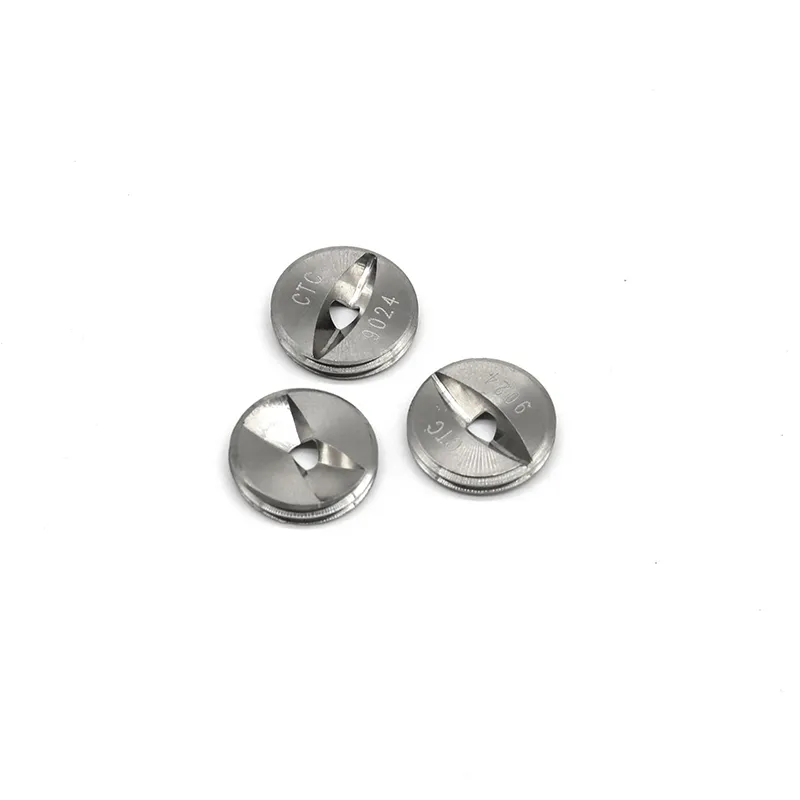 CTC Low Pressure Flat Fan – 25°–90°, 303/316SS
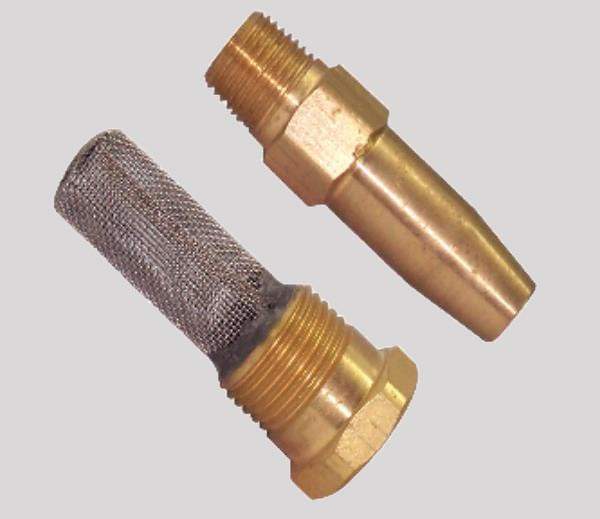 CY38170 Ceramic Solid Stream – 138 bar, ceramic core
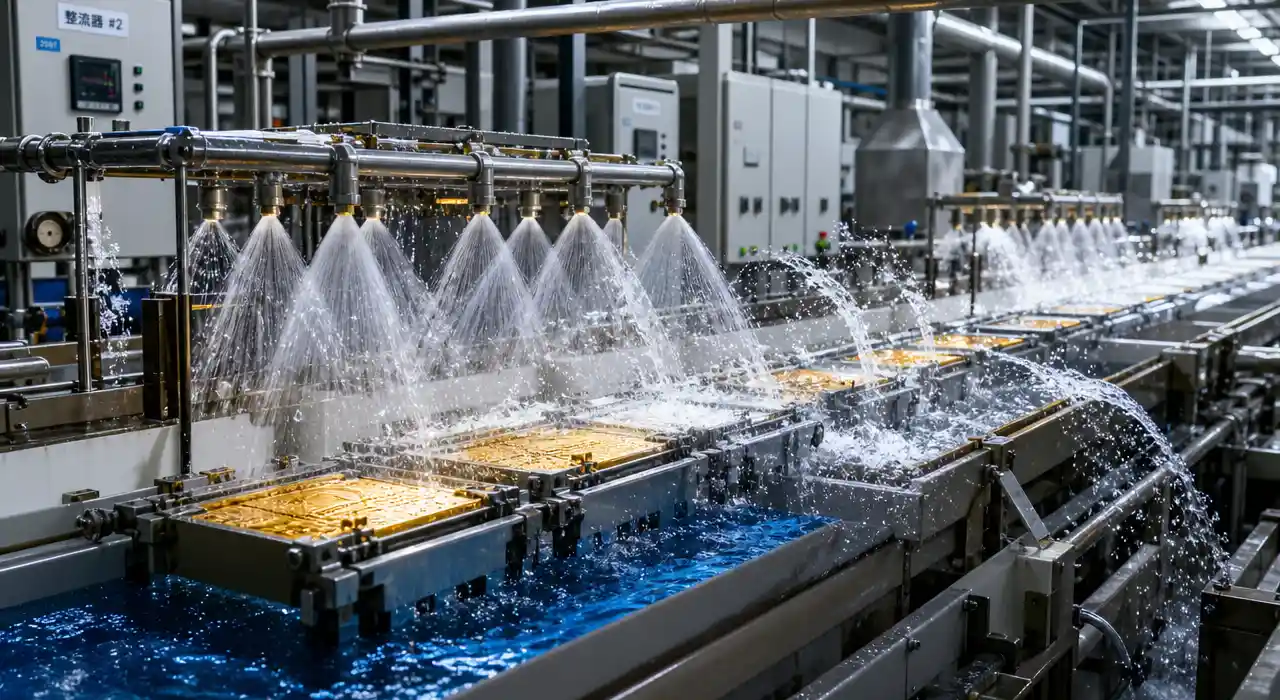
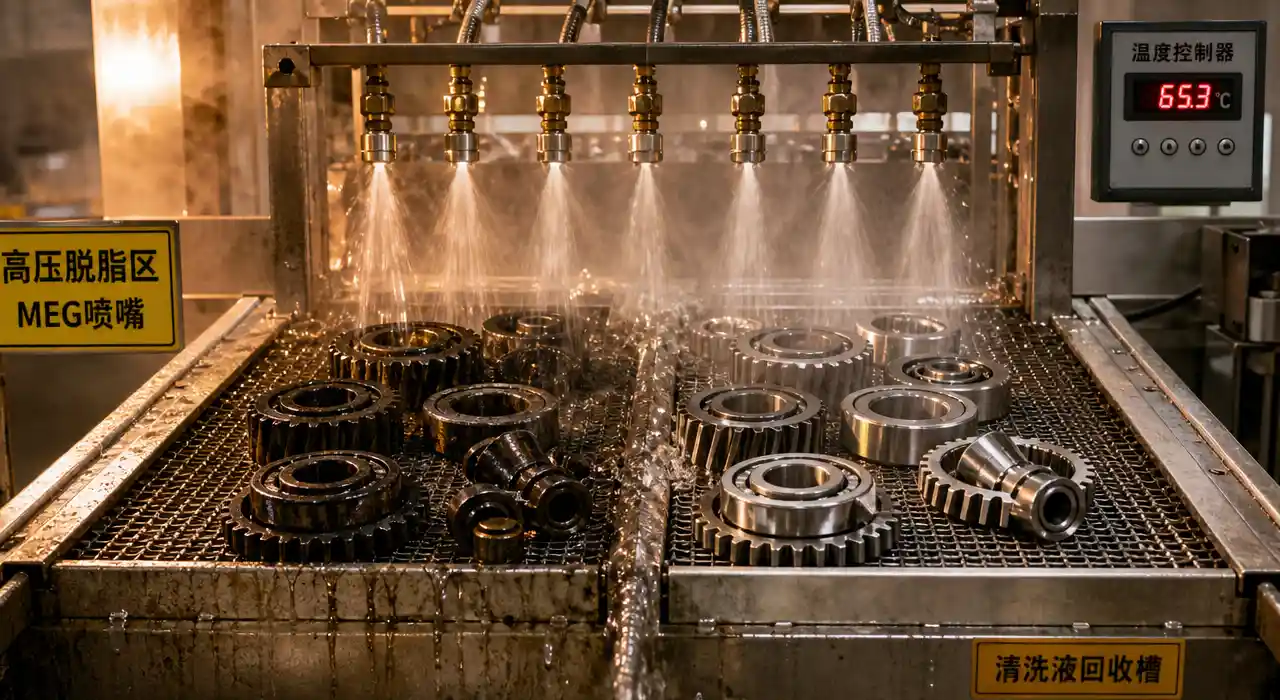
Removal of oils and greases from metal parts using alkaline or solvent-based cleaners. Effective degreasing is the critical first step in surface treatment processes.
Associated Industries: Automotive
Treatment Challenges:
Recommended Products:
CC Flat Fan Nozzle – 0.3–35 bar, 15°–110°
HU Industrial Flat Fan – 0.3–35 bar, 0°–110°
MEG-275 High Pressure – 275 bar, 0°–65°
Acid cleaning of steel to remove scale, rust, and oxides, followed by thorough rinsing. Pickling prepares steel surfaces for further processing like cold rolling or coating.
Associated Industries: Steel & Metallurgy
Treatment Challenges:
Recommended Products:
W Wide Angle Flat Fan – 70°–140°, 0.2–4 bar
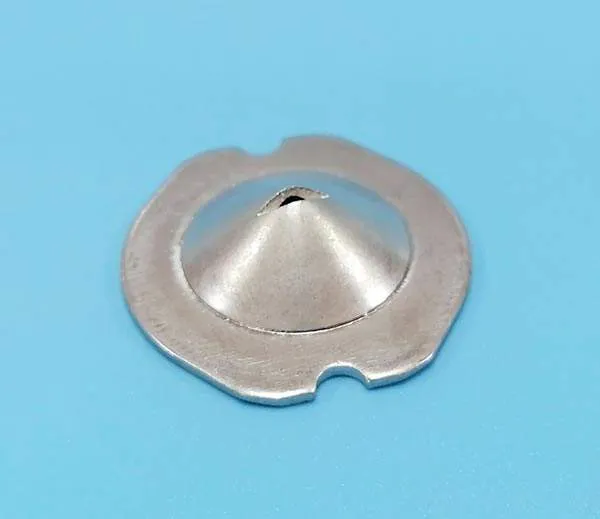 CCTC-2510 Disc Flat Fan 25°, stainless steel
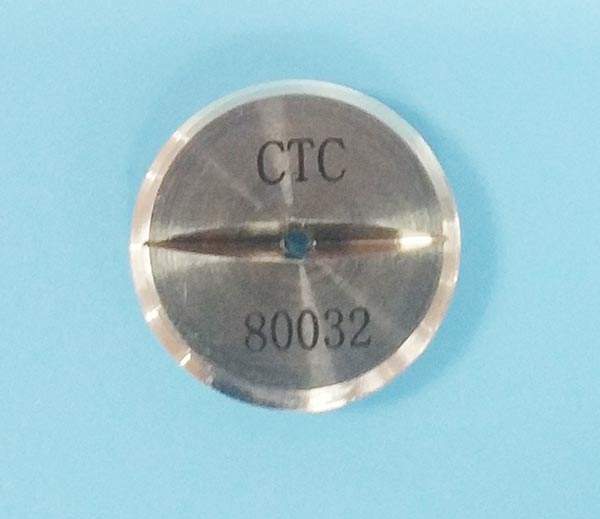 CTC-6513 Low Pressure – SS316, low pressure
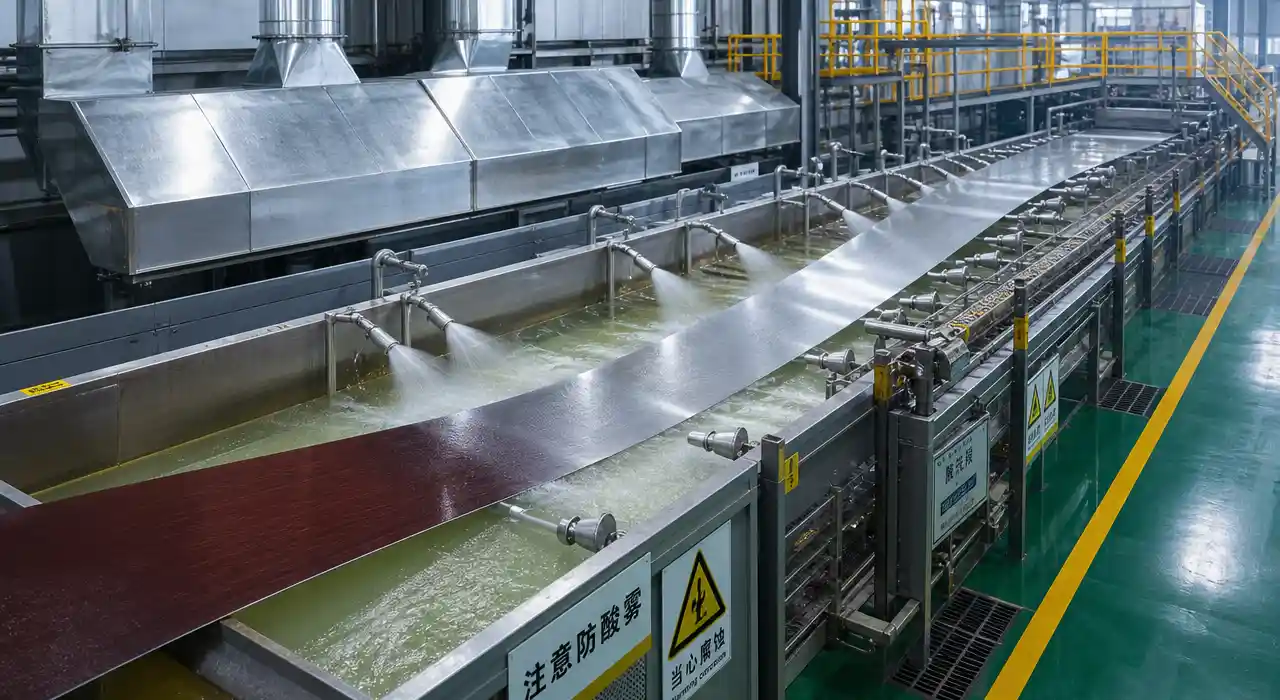
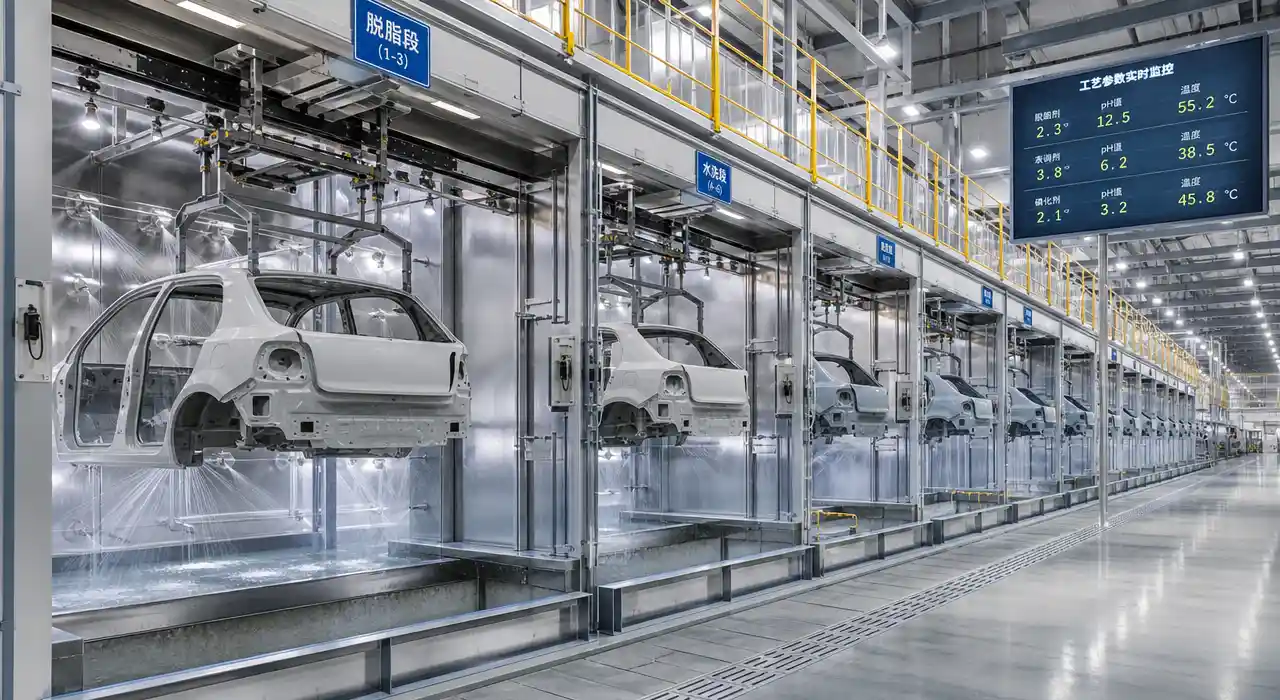
Complete pretreatment line for automotive bodies including degreasing, phosphating, and rinsing before paint application. The multi-stage process ensures maximum paint adhesion and corrosion resistance.
Associated Industries: Automotive Manufacturing
Treatment Challenges:
Recommended Products:
CC Flat Fan Nozzle 0.3–35 bar, 15°–110°
CTC Low Pressure Flat Fan – 25°–90°, 303/316SS
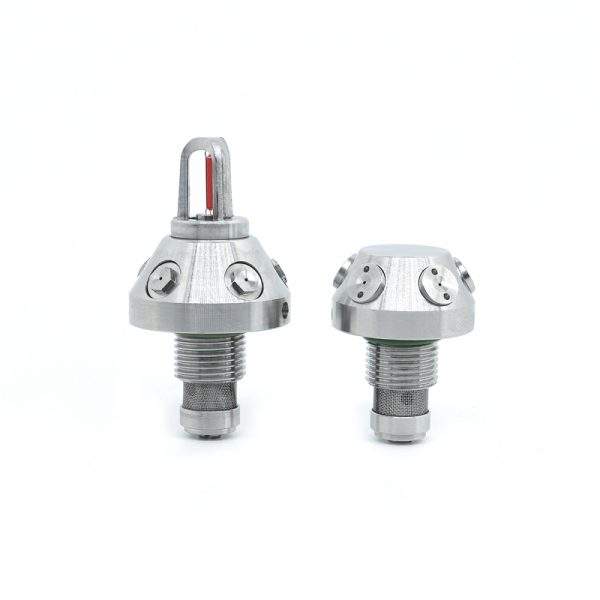 XSWT1.0/10 Water Mist – fire protection, 68°
Explore surface treatment nozzle solutions specific to your sector


Don't see your industry? View all industries we serve →

For alkaline degreasing, 3–10 bar is typical. For stubborn oil, use high‑pressure nozzles like MEG‑275 up to 275 bar.
Use flat fan nozzles with 60°–80° spray angle. Select 316SS for corrosion resistance. Ensure even overlap to achieve uniform coating thickness.
Yes, but pickling uses strong acids that require corrosion‑resistant materials. Rinsing can use cheaper materials like PVC or brass.
Spacing depends on spray angle and distance. Typically 150–300 mm between nozzles to ensure overlapping spray patterns for full coverage.
Proper nozzle selection minimizes overspray and waste. Use high‑efficiency nozzles to reduce chemical carryover. Consult local environmental regulations for treatment.
316L stainless steel is standard. For high-temperature phosphating baths, consider PVDF or ceramic-coated nozzles for extended life.
20+ Years Engineering Experience – Free Consultation