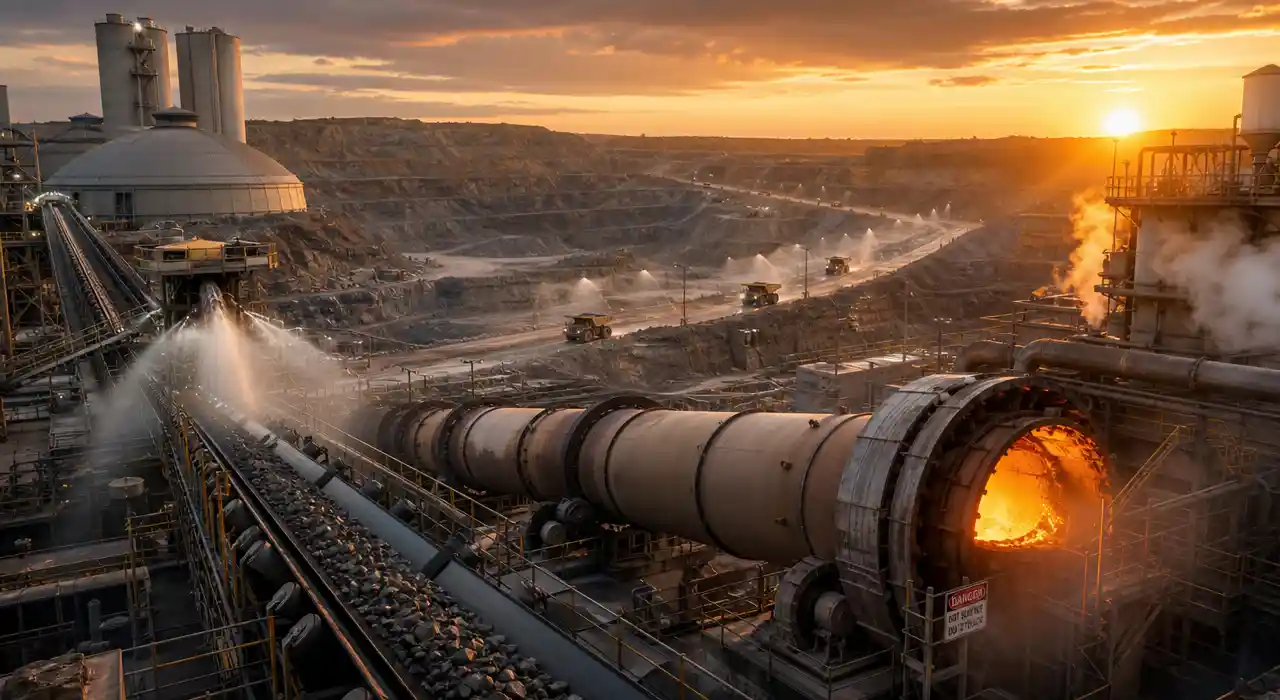


Customer pain: Thermal damage to downstream equipment.
Requirement: Fine atomization, rapid evaporation.

High-efficiency nozzles for flue gas cooling, SO₂/NOx removal, scrubbing, and wet dust collection. Corrosion-resistant materials for harsh chemical environments.
Customer pain: Thermal damage to downstream equipment.
Requirement: Fine atomization, rapid evaporation.
Customer pain: Equipment degradation from acidic gases.
Requirement: Corrosion-resistant materials.
Customer pain: Nozzle blockage and system downtime.
Requirement: Non-clogging, large passage design.
Quenching and cooling of flue gases from incinerators, power plants, and industrial furnaces to protect downstream equipment. Effective cooling also helps control emissions.
Associated Industries: Power · Chemical
Gas Treatment Challenges:
Recommended Products:
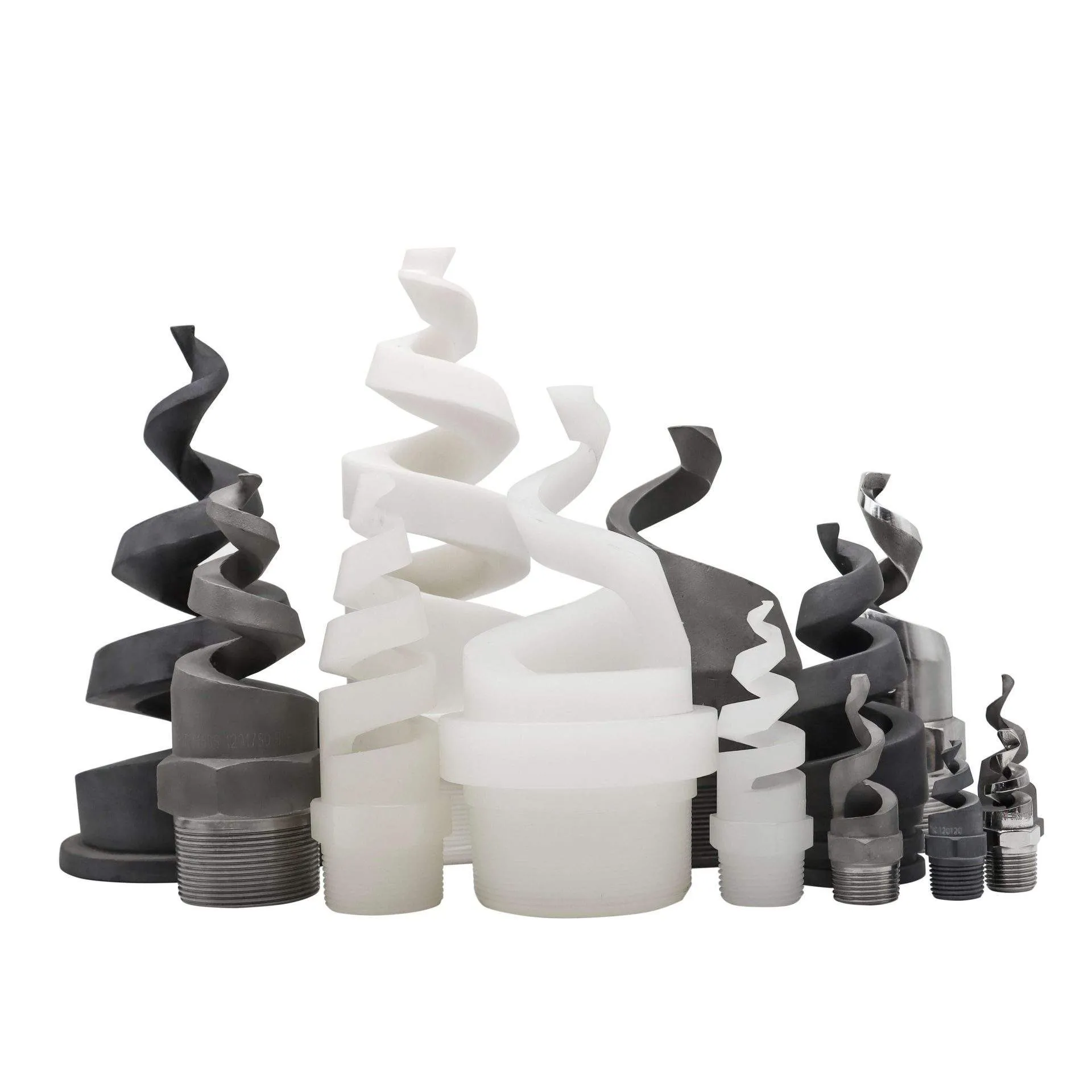 SPJT Spiral Nozzle – 60°–170°, 5.5–4140 L/min
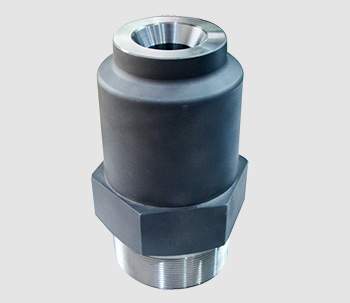 DP Max Passage Full Cone – 60°–120°, 8180 L/min
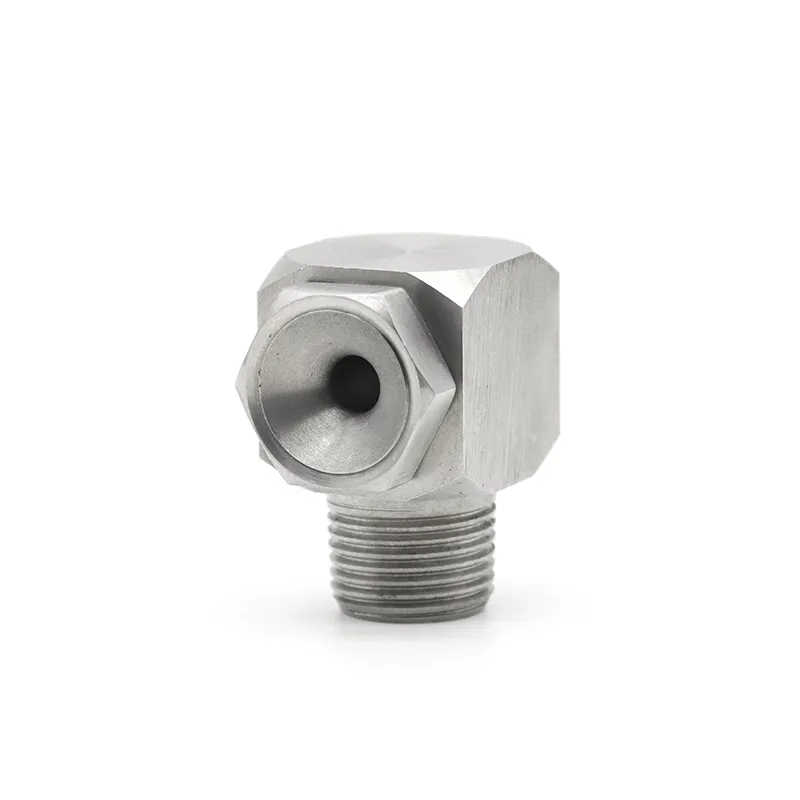 1/8-AA Hollow Cone – 51°–144°, 0.2–7 bar
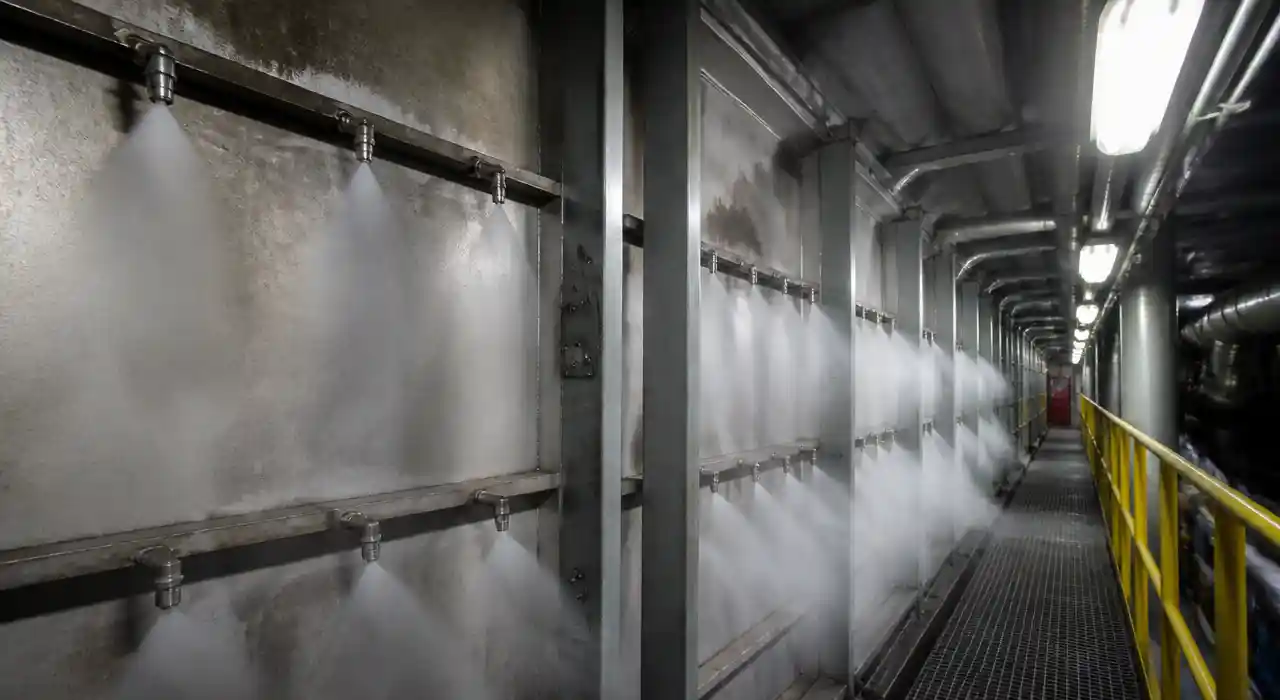
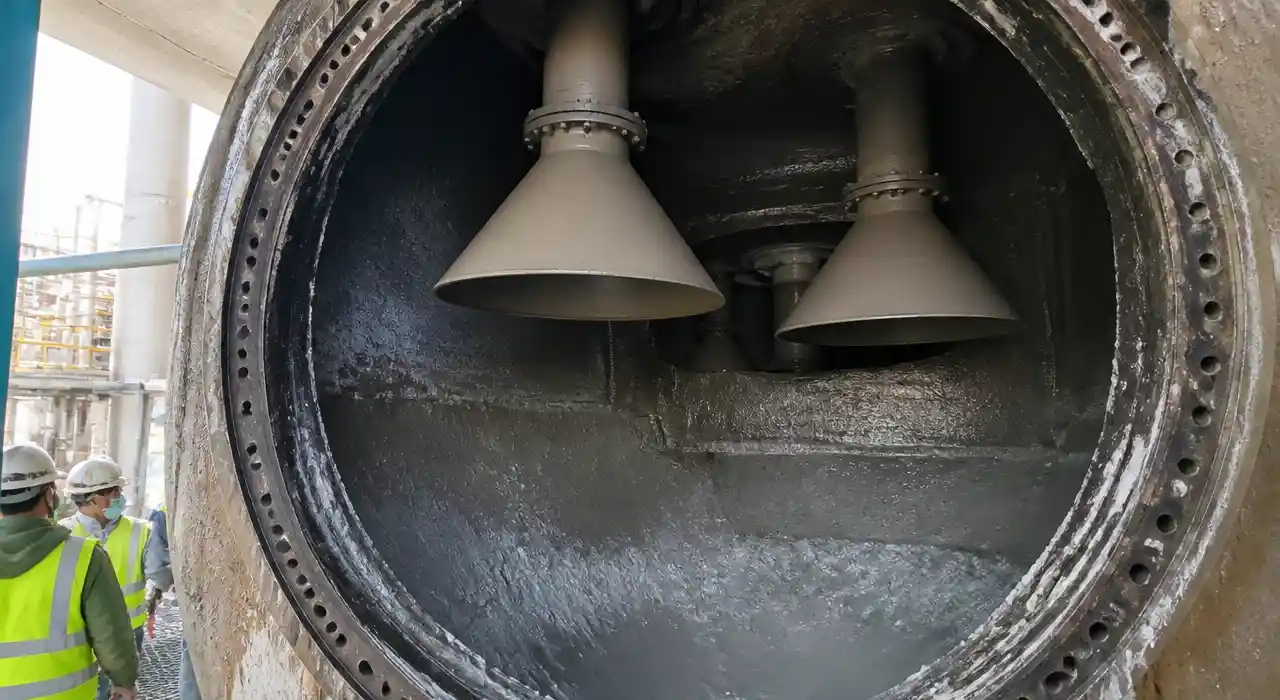
Spray nozzles for wet FGD systems using lime/limestone slurry to remove SO₂ from flue gas. Efficient absorption requires optimum droplet size and distribution.
Associated Industries: Power · Marine
Gas Treatment Challenges:
Recommended Products:
DP Max Passage Full Cone – 60°–120°, 8180 L/min
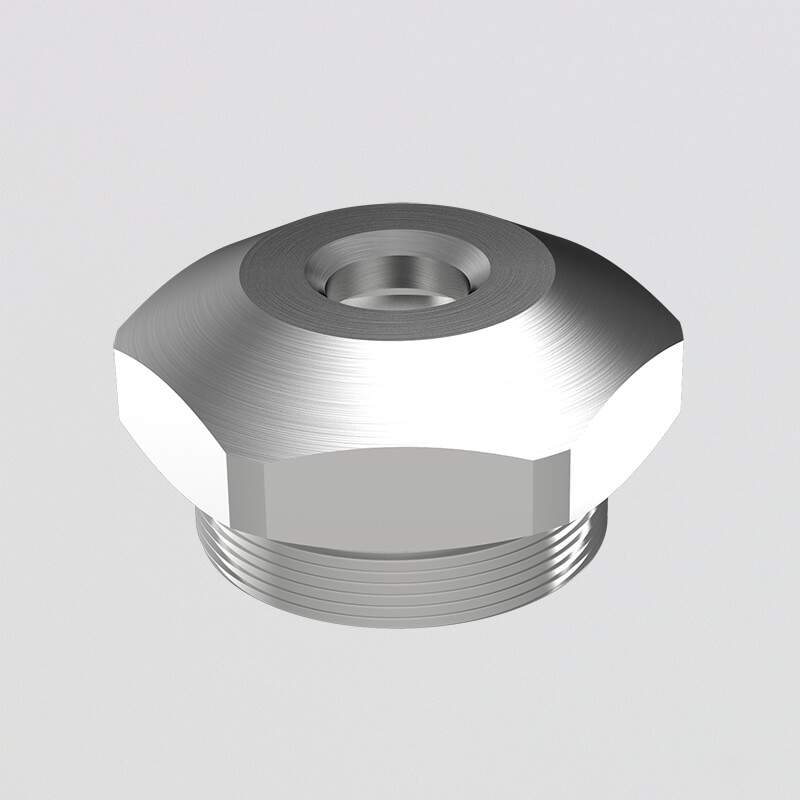 BBS Short Type Full Cone – 110°–120°, 1415 L/min
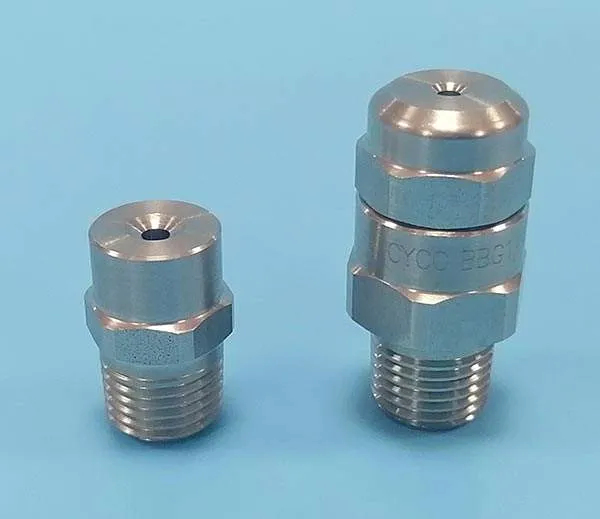 BG-W Wide Angle Full Cone – 110°–120°, 7370 L/min
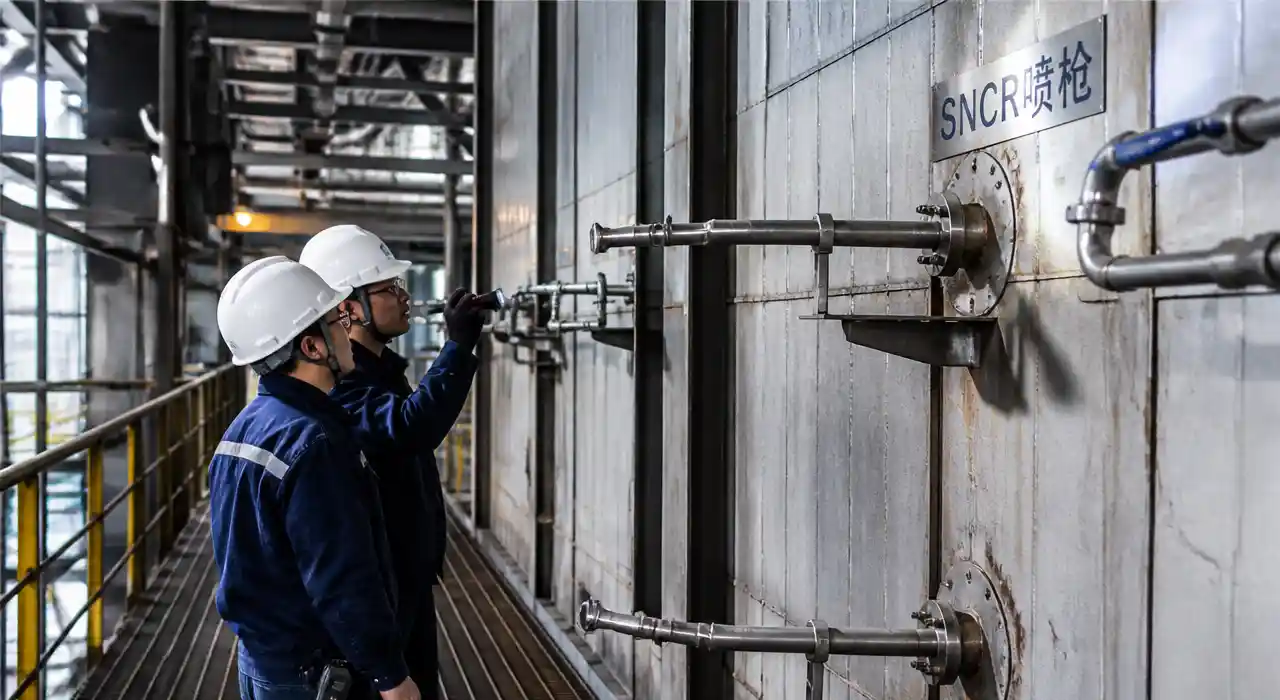
Selective Non-Catalytic Reduction (SNCR) and Selective Catalytic Reduction (SCR) systems using ammonia or urea spray. Precise atomization ensures effective NOx reduction.
Associated Industries: Power
Gas Treatment Challenges:
Recommended Products:
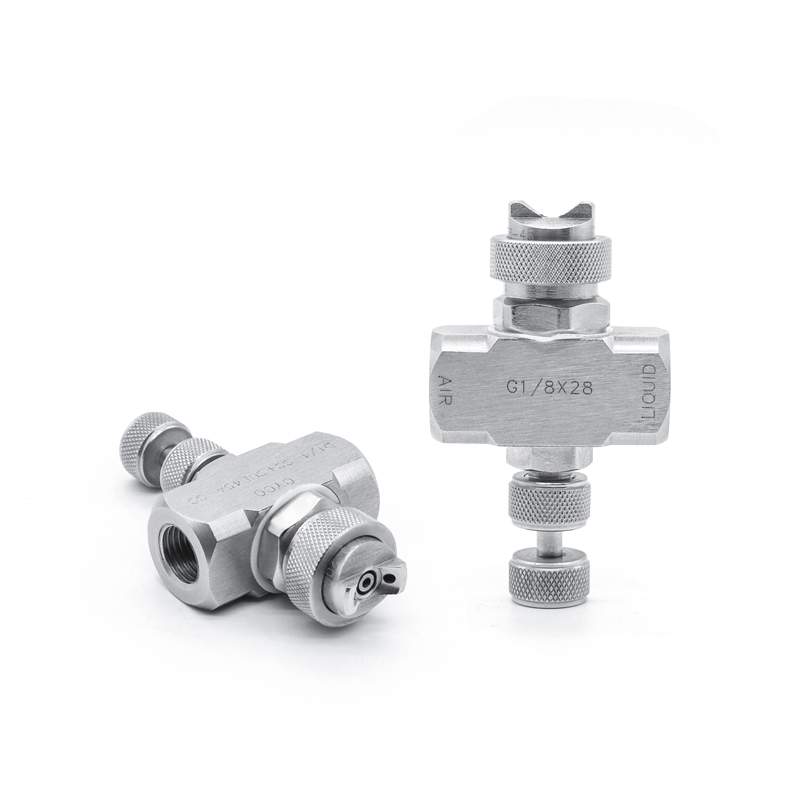 D-1/4-303SS Air Atomizing – fine mist, 0.7–4 bar
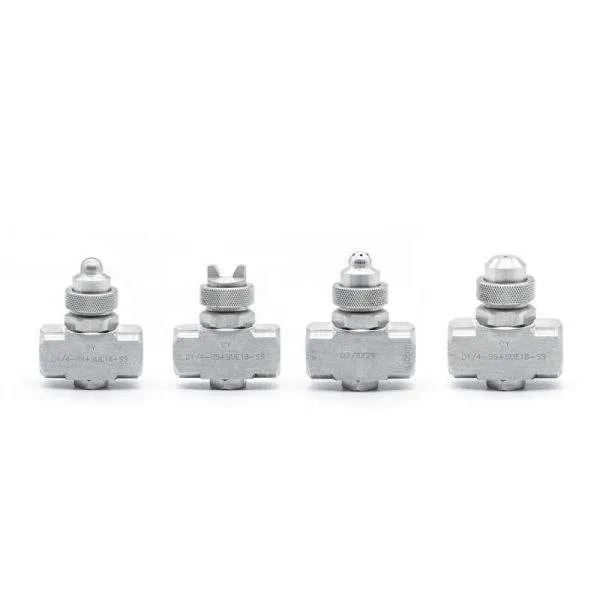 D Series Air Atomizing – adjustable, stainless steel
 DE101 Large Flow Air Atomizing – 316SS, 20°, 3.3mm droplets
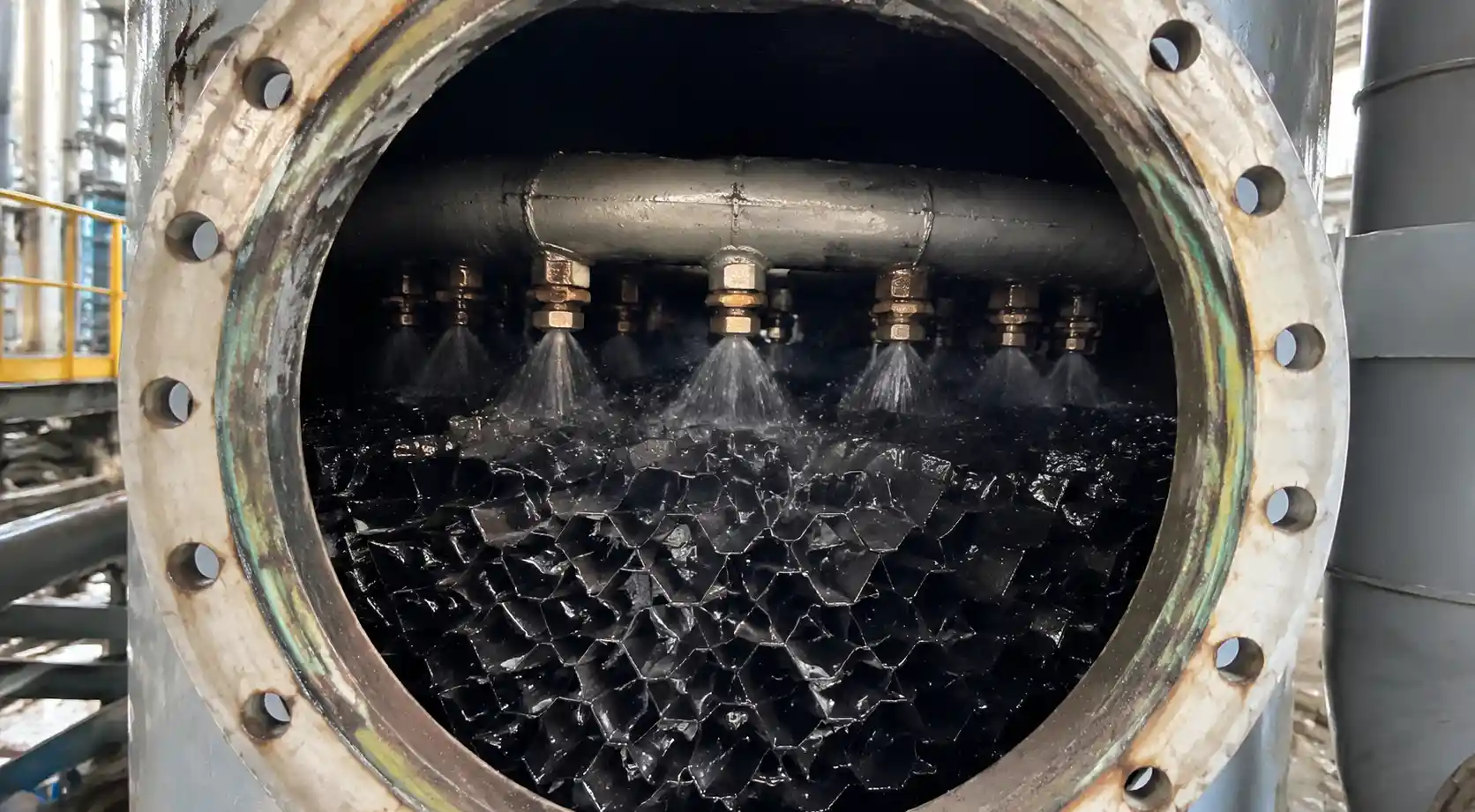
Venturi scrubbers, packed towers, and spray towers for removal of particulates and acid gases. Nozzles must provide high liquid coverage with fine droplets.
Associated Industries: Chemical · Environmental
Gas Treatment Challenges:
Recommended Products:
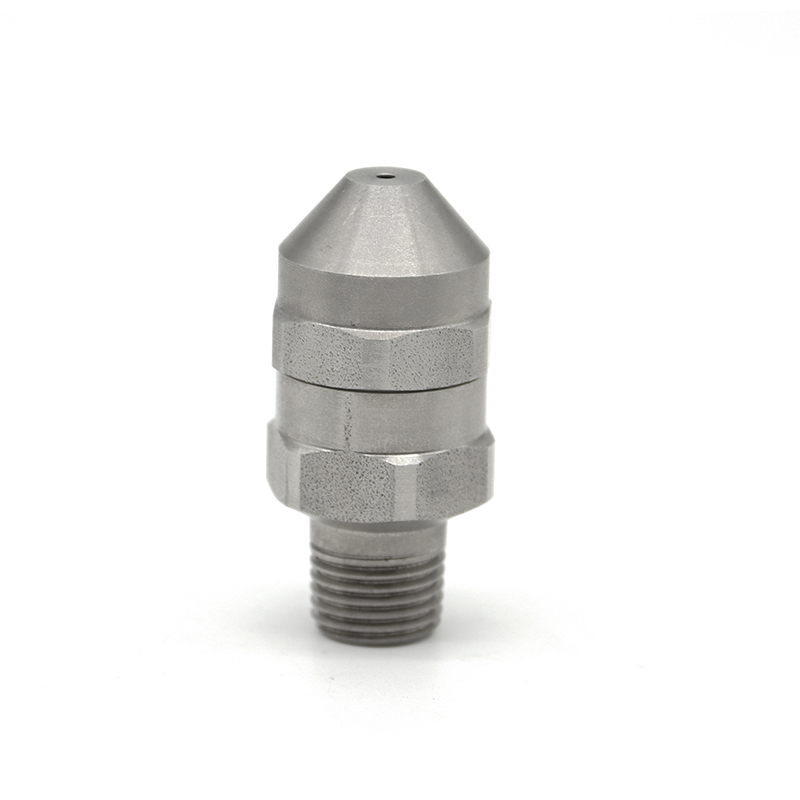 BB Narrow Angle Full Cone – 15°/30°, Stainless Steel
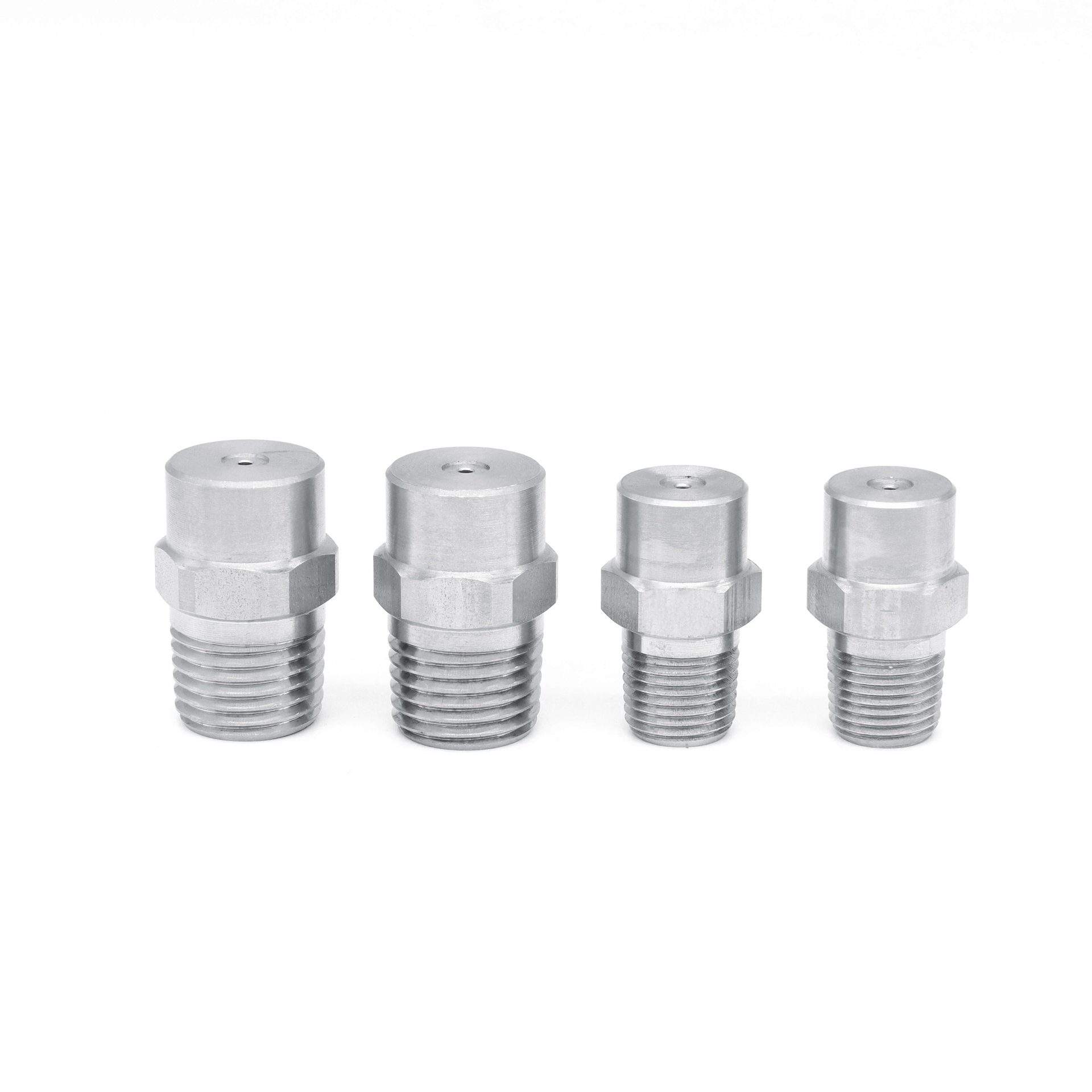 BB Standard Full Cone – 43°–106°, Brass/SS
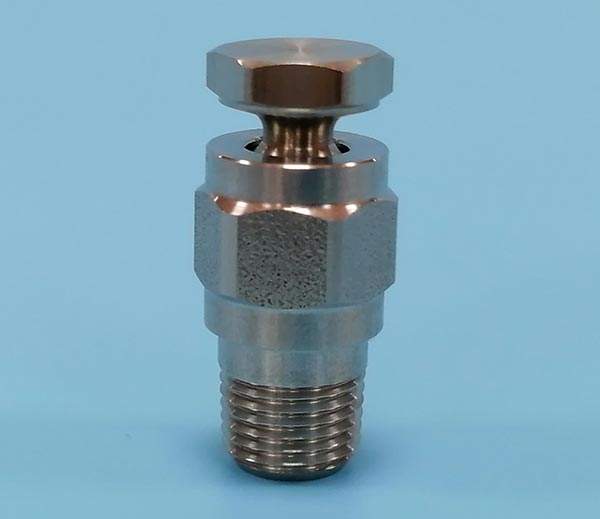 AF Hollow Cone – 120°–180°, SS
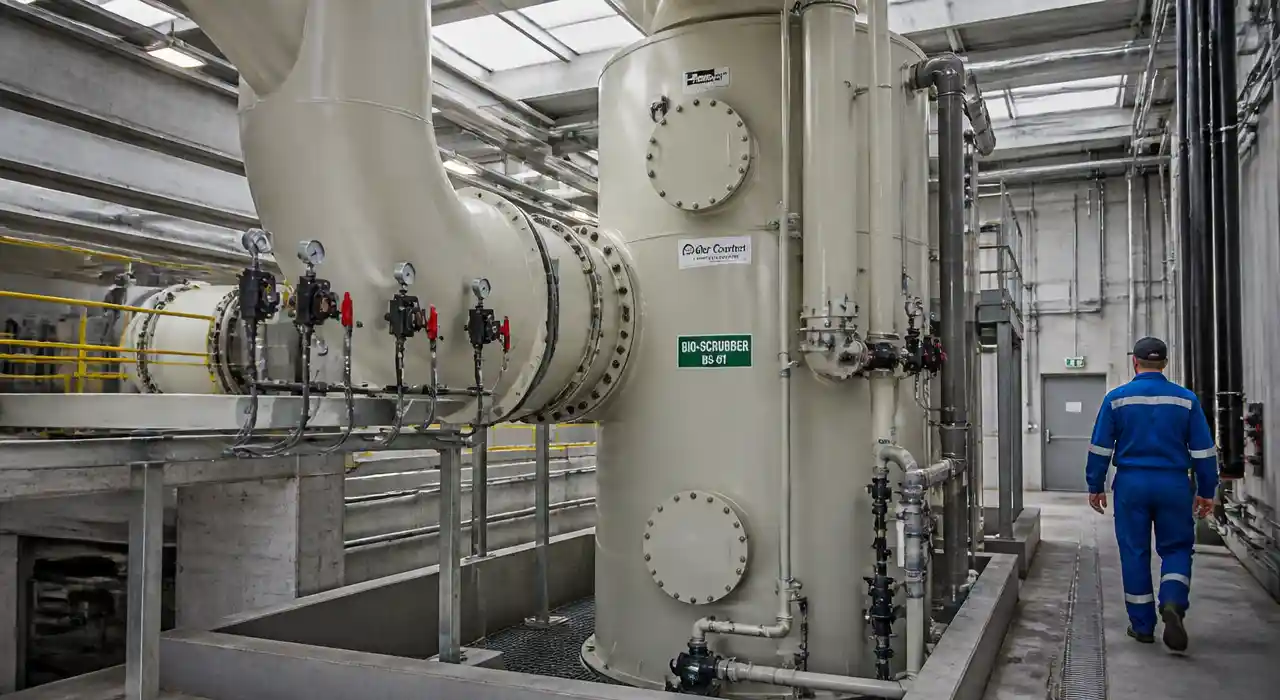
Odor control in waste treatment, food processing, and chemical plants using chemical or biological scrubbers. Fine atomization of chemical reagents ensures effective odor neutralization.
Associated Industries: Environmental · Food
Gas Treatment Challenges:
Recommended Products:
SPJT Spiral Nozzle – 60°–170°, 5.5–4140 L/min
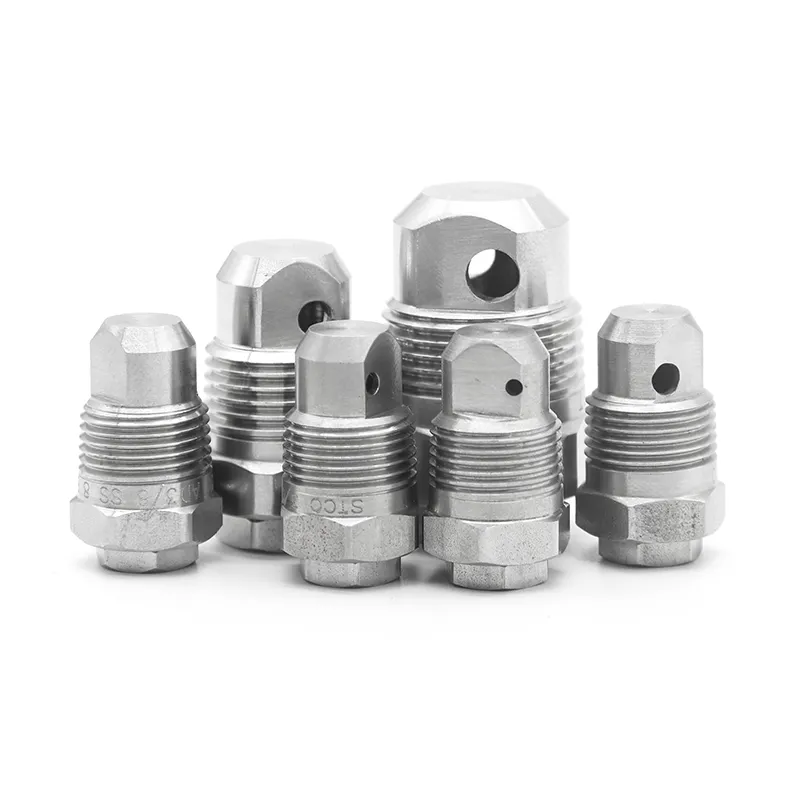 AD Hollow Cone – 50°–90°, 145 L/min
D-1/4-303SS Air Atomizing – fine mist, 0.7–4 bar
AD Hollow Cone – 50°–90°, 145 L/min
D-1/4-303SS Air Atomizing – fine mist, 0.7–4 bar
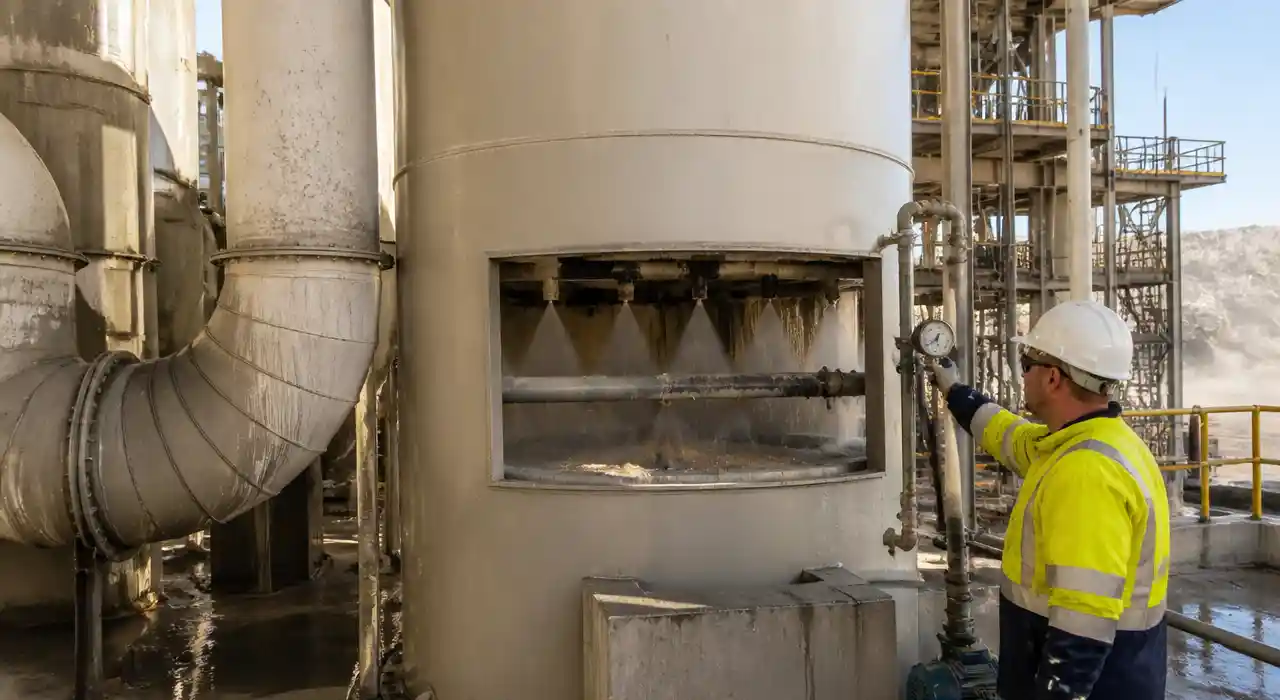
Wet scrubbers and dust collectors using water spray to capture particulates from industrial exhaust. Effective for both coarse and fine dust with high collection efficiency.
Associated Industries: Mining · Environmental
Gas Treatment Challenges:
Recommended Products:
SPJT Spiral Nozzle – 60°–170°, 5.5–4140 L/min
BG-W Wide Angle Full Cone – 110°–120°, 7370 L/min
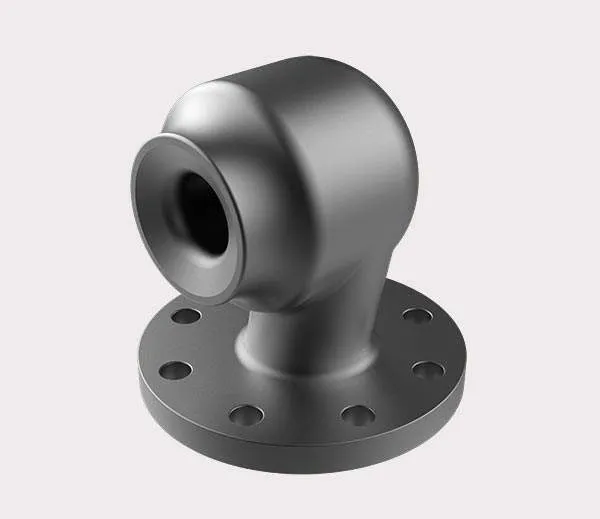 LC-200 Large Flow Hollow Cone – 70°–90°, carbide silicone
Explore gas treatment nozzle solutions specific to your sector
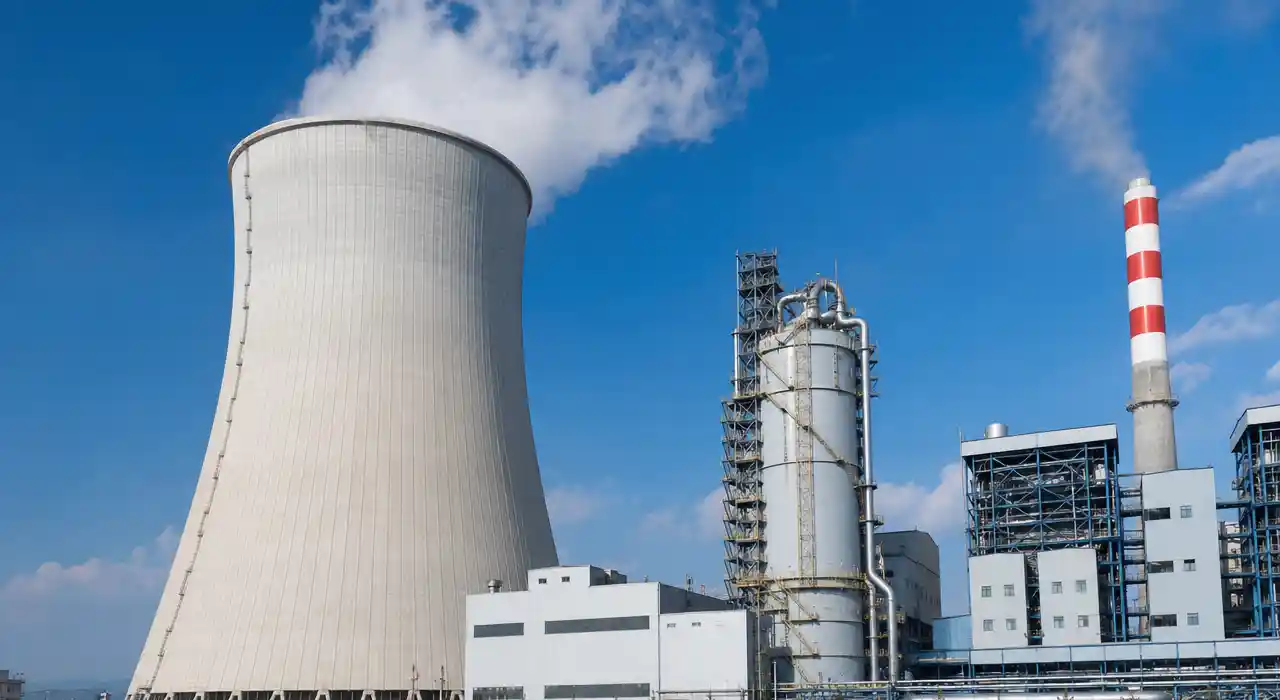
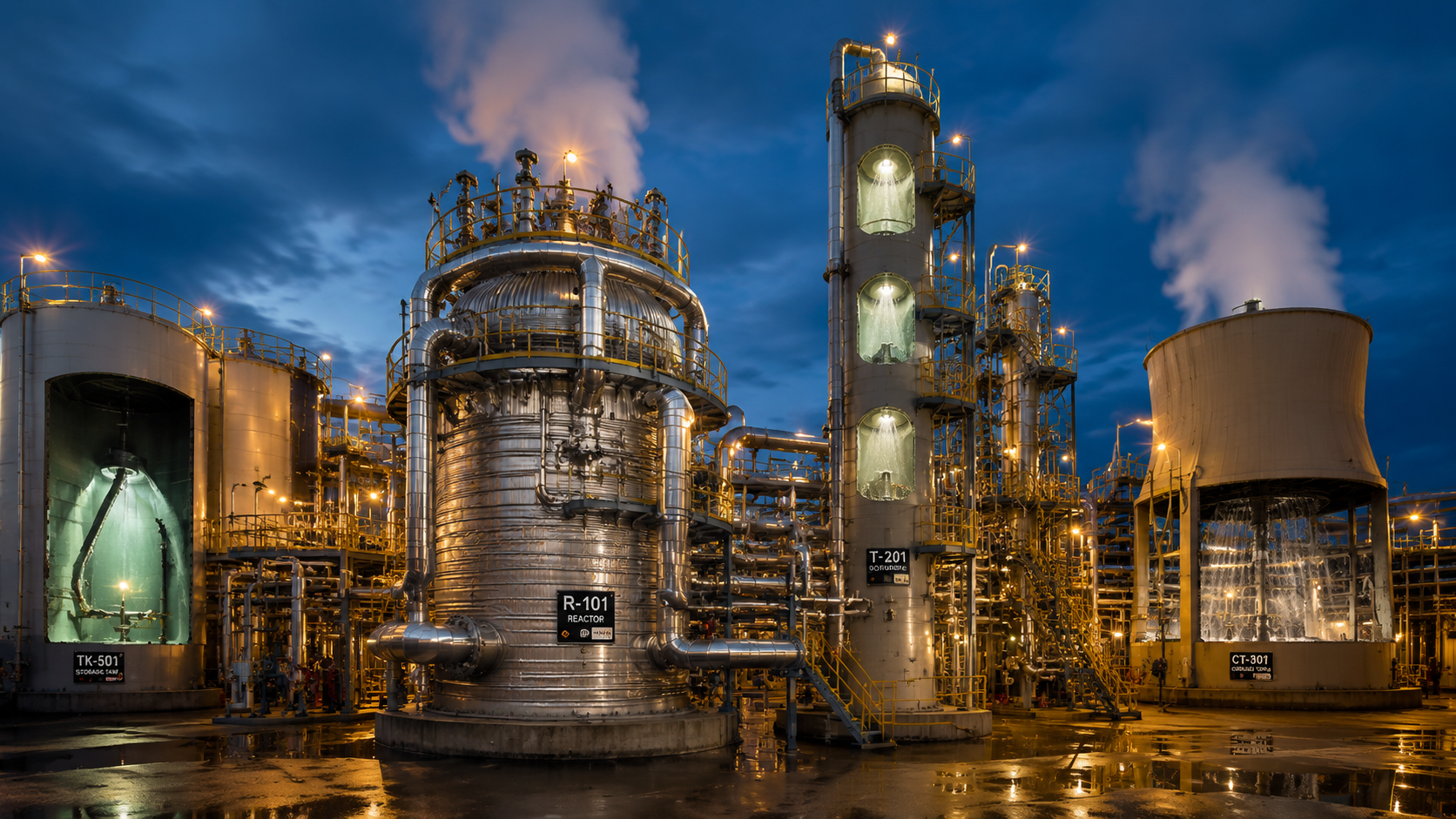
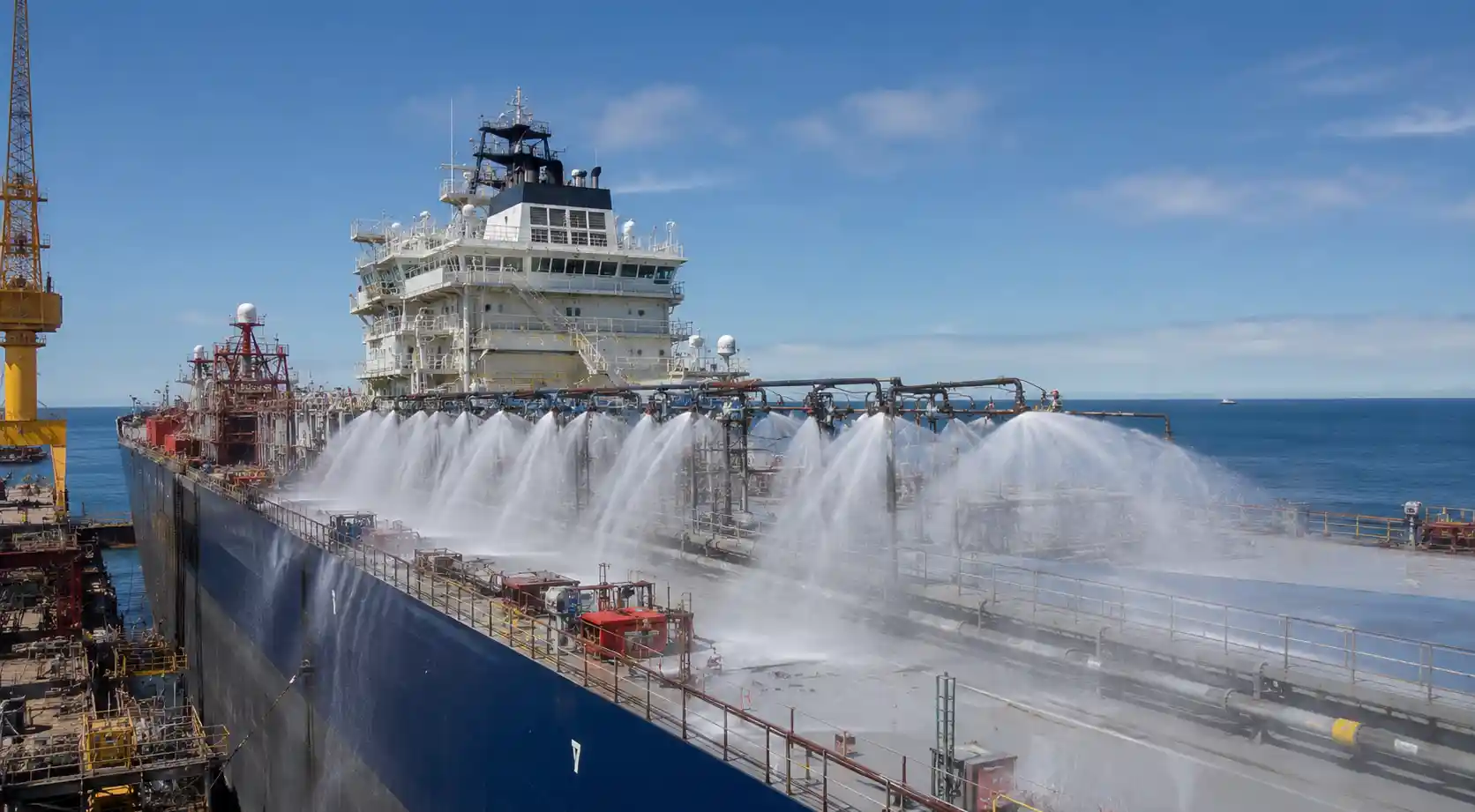
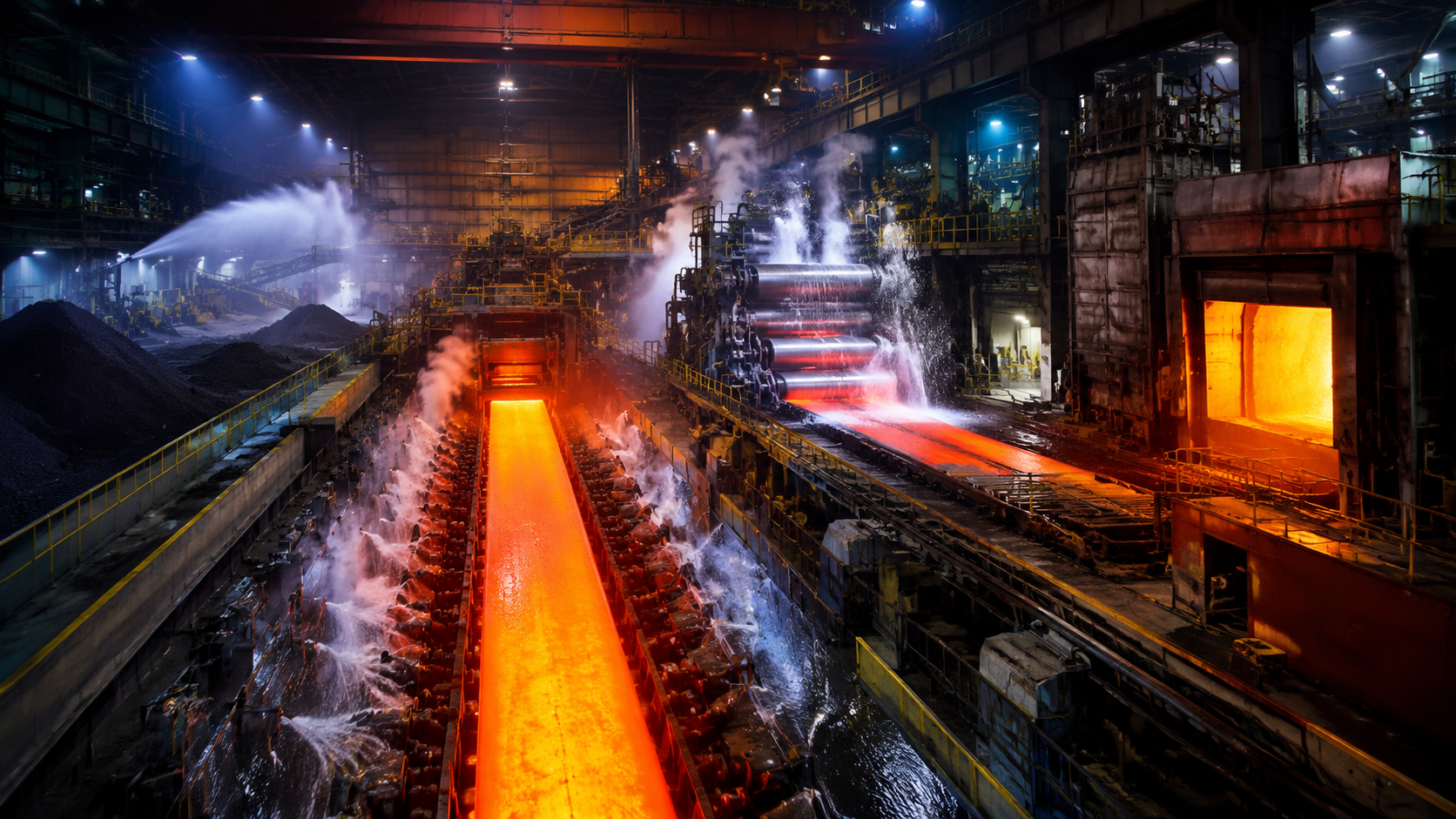
Don't see your industry? View all industries we serve →

Calculate the required evaporation rate based on gas flow and temperature drop. Select a nozzle with adequate flow rate and fine atomization to ensure complete evaporation before contact with duct walls.
316L and 904L stainless steels are suitable. For severe conditions, use Alloy 20 or Hastelloy. Ceramic‑lined nozzles are also available for extreme environments.
Full cone provides even coverage across the entire spray area, ideal for absorption. Hollow cone creates a ring‑shaped spray, better for cooling and dust capture in venturi scrubbers.
Yes, spiral nozzles (like SPJT) offer large, clog‑free passages and are widely used in FGD systems for slurry spraying.
Spacing depends on spray angle and duct size. Typically 300–600 mm to ensure overlapping coverage. Consult CYCO engineering for precise layout.
Use spiral or large full cone nozzles. Install strainers and maintain proper water quality. The DP series offers the largest free passage.
20+ Years Engineering Experience – Free Consultation