



كيفية حل مشكلة مطرقة الماء في أنظمة إزالة الترسبات: حماية الفوهات والأنابيب من الصدمات الهيدروليكية
في بيئة عالية المخاطر في مطحنة درفلة ساخنة للفولاذ، يعد نظام إزالة الترسبات البطل المجهول لجودة السطح. ومع ذلك، يطارد العديد من مهندسي الصيانة صوت ارتطام إيقاعي وعنيف داخل أنابيبهم—وهي ظاهرة تعرف باسم مطرقة الماء. هذا ليس مجرد صوت مزعج؛ إنه مطرقة ثقيلة حركية تكسر فوهات كربيد التنجستن المكلفة، وتمزق الأختام عالية الضغط، وتؤدي إلى إرهاق كارثي في الأنابيب.
إذا كنت تعاني حاليا من "ضربات الأنابيب" أو أعطال غير مفسرة في الفوهة، فمن المحتمل أنك تخسر آلاف الدولارات في فترات توقف غير متوقعة وطاقة مهدرة. يوفر هذا الدليل متعمقا في تشخيص وتخفيف ومنع مطرقة الماء في أنظمة إزالة الترسبات عالية الضغط، مما يحول استراتيجيتك من الإصلاحات التفاعلية إلى التميز الهندسي الاستباقي.
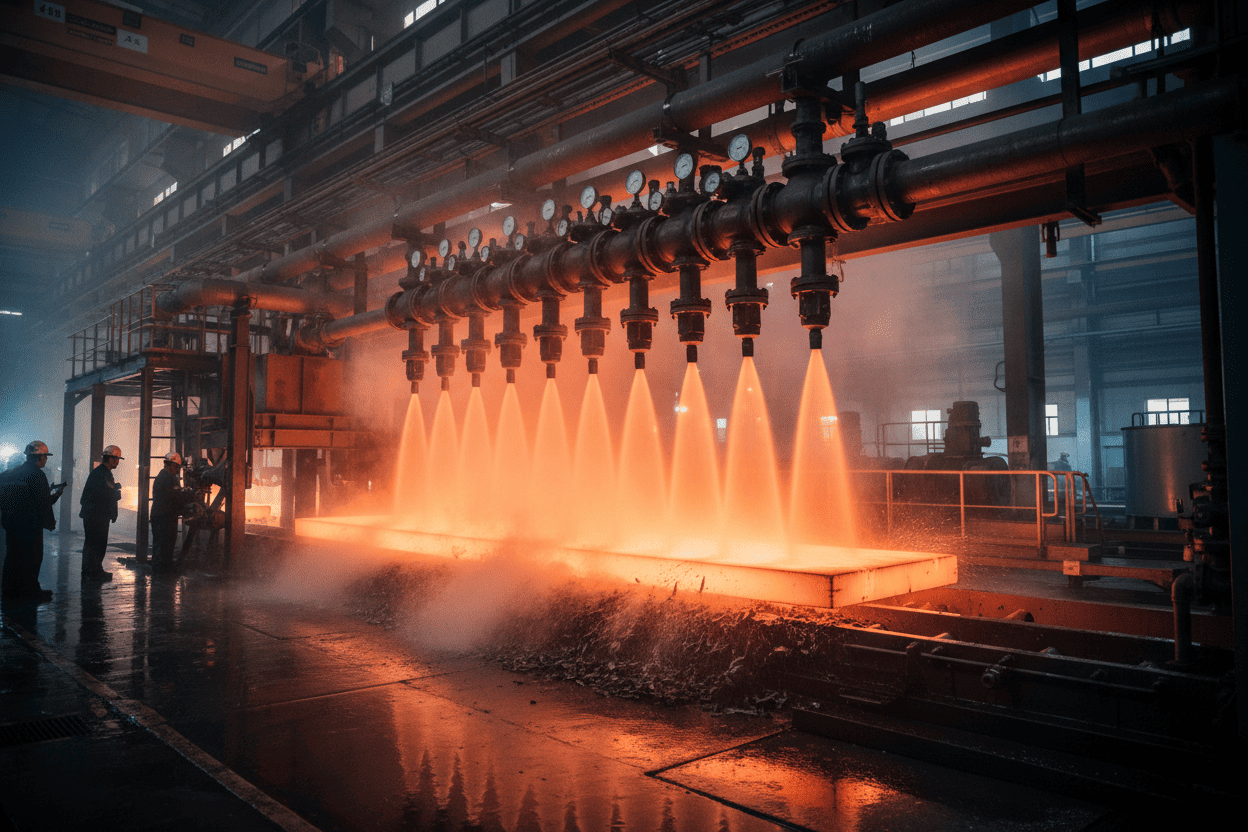
! نظام إزالة الترسبات عالي الضغط الصناعي في مصنع صلب يظهر رذاذ ماء
- 1. 1. فهم المطرقة المائية في إزالة الترسبات: الأساسيات
- 1.1. لماذا يهم ذلك في صناعة الصلب
- 2. 2. مفاهيم أساسية مبسطة: تشبيه "جدار الطوب"
- 2.1. هشاشة المادة
- 3. 3. دليل خطوة بخطوة للتخفيف من الصدمات الهيدروليكية
- 3.1. 3.1 السيناريو A: الامتصاص الميكانيكي ("ممتص الصدمات")
- 3.2. 3.2 السيناريو ب: توقيت وتحكم الصمامات (الهبوط الناعم)
- 4. 4. نصائح خبراء والمخاطر الشائعة التي يجب تجنبها
- 4.1. حفرة #1: شد زائد لعلاقات الأنابيب
- 4.2. المأزق #2: اختيار مادة الفوهة الخاطئة
- 4.3. المأزق #3: تجاهل "جيوب الهواء"
- 5. 5. الخاتمة والأفكار النهائية
- 5.1. جدول ملخص سريع
1. فهم المطرقة المائية في إزالة الترسبات: الأساسيات
في الهيدروليكا الصناعية، يحدث مطرقة الماء (أو الصدمة الهيدروليكية) عندما يجبر السائل المتحرك على التوقف أو تغيير الاتجاه فجأة. في خط إزالة الترسبات، حيث غالبا ما تتجاوز ضغوط المياه 200 بار (2,900 PSI) وتكون معدلات التدفق هائلة، تكون الطاقة الحركية المعنية مذهلة.
لماذا يهم ذلك في صناعة الصلب
على عكس السباكة السكنية، حيث قد يهز مطرقة الماء المغسلة، تنتقل موجة الصدمة لنظام إزالة الترسبات بسرعة الصوت عبر الوسط. عندما يغلق صمام عالي الضغط فجأة لإيقاف تدفق التدفق إلى رأس رش، لا يوجد مكان يذهب إلى هذا الزخم. ينعكس عبر النظام، مما يخلق ارتفاع ضغط يمكن أن يكون 5 إلى 10 أضعاف ضغط التشغيل الطبيعي.
بالنسبة لمدير المصنع، فإن التداعيات واضحة:
- مخاطر السلامة: الانفجارات المفاجئة في الأنابيب تحت ضغط 250 بار قاتلة.
- فقدان الدقة: يمكن أن تؤدي موجات الصدمة إلى إخراج الفوهات عن محاذاتها، مما يؤدي إلى "خطوط النمر" أو إزالة غير متساوية في الفولاذ.
- وفاة المكونات: الفوهات الصناعية عالية الأداء الحديثة لإزالة الترسبات في صناعة الصلب هي أدوات دقيقة. يسبب المطرقة المائية تكسرا مجهريا في أطراف الفوهة، مما يؤدي إلى تآكل مبكر.
2. مفاهيم أساسية مبسطة: تشبيه "جدار الطوب"
لفهم الفيزياء، تخيل قطار شحن (الماء المتحرك) يسير بسرعة 60 ميل في الساعة. إذا اصطدم ذلك القطار بجدار طوب (صمام يغلق بسرعة)، فإن الطاقة لا تختفي ببساطة. يقوم بضغط القاطرة ويرسل موجة صدمة ضخمة عبر عربات السكك الحديدية.
في نظام إزالة الترسبات لديك، "عربات القطارات" هي جزيئات الماء، و"جدار الطوب" هو الصمام اللولبي أو السيراميك. نظرا لأن الماء شبه غير قابل للانضغاط، فإن انتقال الطاقة يكون شبه فوري وعنيفا للغاية.
هشاشة المادة
معظم فوهات إزالة الترسبات تستخدم إدخالات تنجستن كاربيد بسبب صلابتها الشديدة. ومع ذلك، غالبا ما تأتي الصلابة مع الهشاشة. بينما يتفوق كربيد التنغستن في مقاومة التآكل الكاشط للمياه عالية السرعة، إلا أنه معرض ل "تأثير" ارتفاع الضغط. تكرار مطرقة الماء يتصرف كالمطرقة الصغيرة التي تصطدم بزجاج — وفي النهاية، تتشقق.
| ميزة | فوهات الفولاذ المقسى | كربيد التنغستن (K10/K20) |
|---|---|---|
| مقاومة التآكل | متوسط | ممتاز (حتى 20 ضعف الطول) |
| مقاومة الصدمات | عالي (قابل للدلالة) | منخفض (هش) |
| حد الضغط | منخفض إلى متوسط | مرتفع جدا |
| الفعالية من حيث التكلفة | منخفض (استبدال متكرر) | عائد استثمار مرتفع (عائد على المدى الطويل) |
3. دليل خطوة بخطوة للتخفيف من الصدمات الهيدروليكية
إذا كانت أنابيبك تضرب، فأنت بحاجة إلى استراتيجية دفاع متعددة الطبقات. إليك كيفية تقوية نظامك بشكل منهجي ضد المطرقة المائية.
3.1 السيناريو A: الامتصاص الميكانيكي ("ممتص الصدمات")
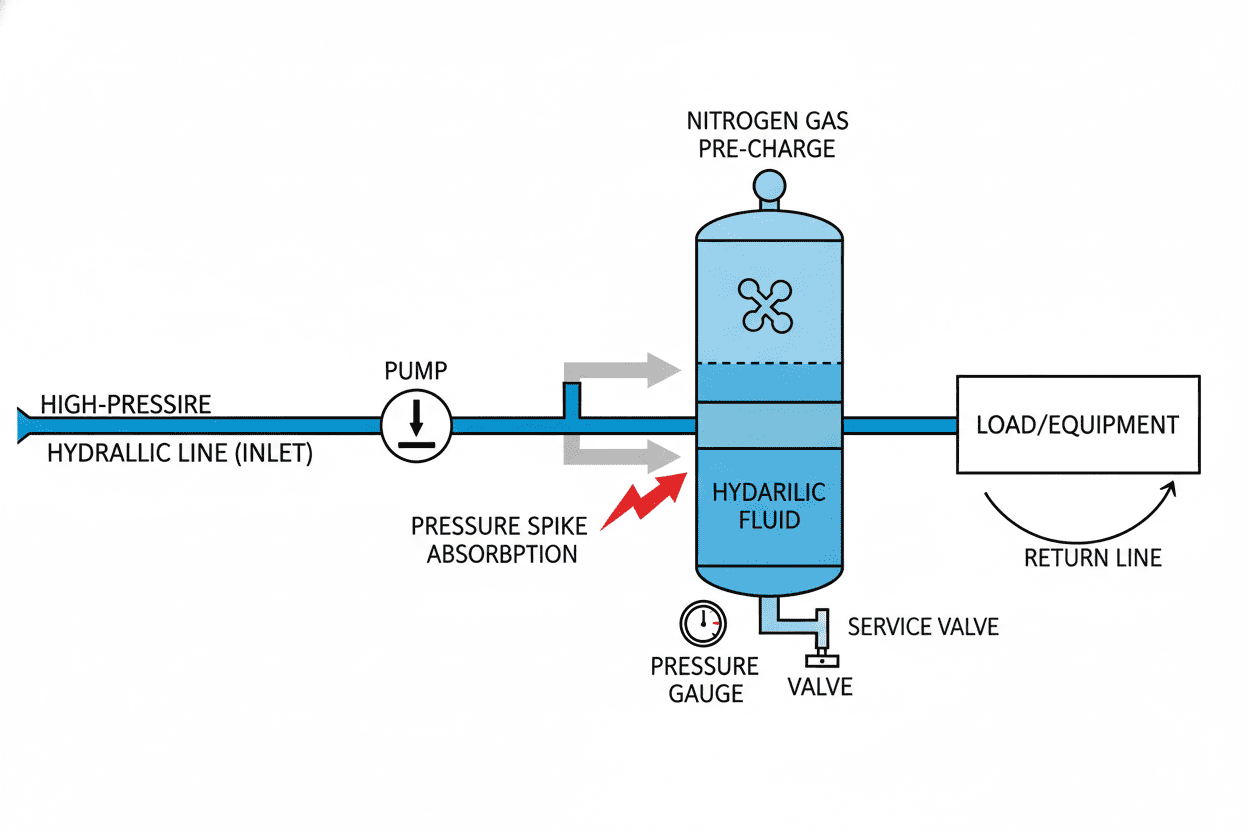
الطريقة الأكثر فعالية لتحييد ارتفاع الضغط هي إعطاء الطاقة مكانا للذهاب. يتم تحقيق ذلك من خلال المجمعات الهيدرو-هوائية.
! رسم توضيحي يوضح مجمع هوائي-هوائي مثبت
خطوات التنفيذ:
- المقاس: احسب "ضغط شحن الغاز المسبق." عادة، يجب أن يكون هذا ما بين 60٪ إلى 80٪ من الحد الأدنى لضغط تشغيل النظام لديك.
- الوضع: قم بتركيب المجمع بالقرب من صمام الإغلاق السريع قدر الإمكان. كلما ابتعد، أصبح أقل فعالية في التقاط "الصفعة" الأولى.
- الصيانة: فحص مستويات النيتروجين شهريا. المجمع بدون شحنة غاز هو مجرد وصلة أنابيب مكلفة.
3.2 السيناريو ب: توقيت وتحكم الصمامات (الهبوط الناعم)
سرعة إغلاق الصمام هي المتغير الأساسي في معادلة المطرقة المائية. إذا أغلقت صماما خلال 50 مللي ثانية، فإنك تخلق حدة ضخمة. إذا أغلقتها خلال 500 مللي ثانية، ينخفض الارتفاع بشكل كبير.
4. نصائح خبراء والمخاطر الشائعة التي يجب تجنبها
استنادا إلى عقود من الخبرة الميدانية في مصانع الصلب في أمريكا الشمالية وأوروبا، إليكم الحقائق الصعبة على طريقة ريديت حول صيانة إزالة الترسبات.
حفرة #1: شد زائد لعلاقات الأنابيب
الخطأ: رؤية الأنابيب تهتز والتفكير: "سأربطها بإحكام أكبر." الواقع: إذا قيدت كل حركة في نظام يعاني من مطرقة الماء، فإن الطاقة ستجد أضعف نقطة — عادة حافة أو خيط فوهة. الإصلاح: استخدم مشابك تخميد مع إدخالات مطاطية تسمح بالتمدد الحراري وامتصاص الاهتزاز الطفيف دون نقل الإجهاد إلى هيكل المبنى.
المأزق #2: اختيار مادة الفوهة الخاطئة
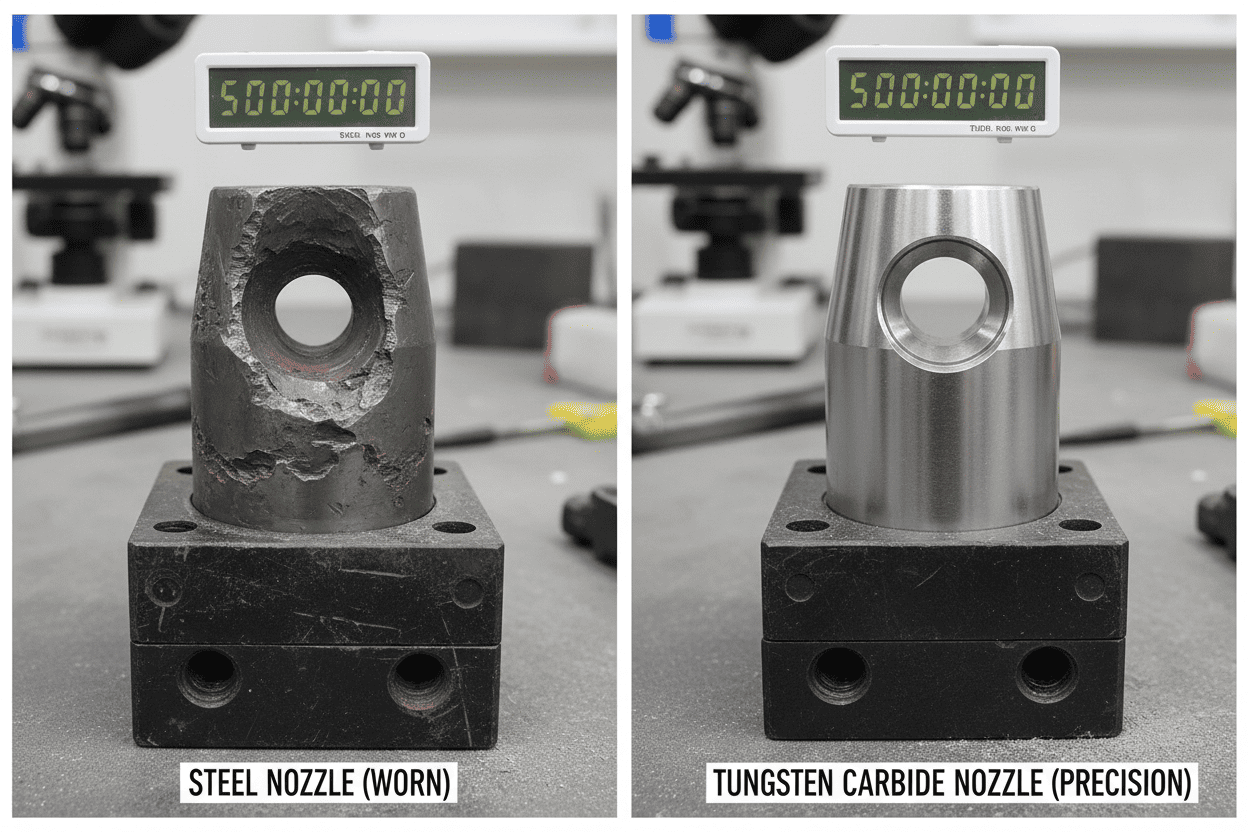
يختار العديد من مديري المشتريات الفولاذ المقسى لأنه أرخص في البداية و"أقوى" ضد الصدمات. ومع ذلك، عند مقارنة كربيد التنجستن مع الفولاذ المقروى، فإن عائد الاستثمار للكربيد في نظام مستقر لا يقهر. يحافظ الكربيد على هندسة الفتحة لفترة أطول، مما يضمن أن "قوة الاصطدام" لرش إزالة الترسبات تبقى ثابتة، وهو المفتاح لإزالة الترسبات دون تبريد اللوح بشكل مفرط.
! مقارنة بين فوهة فولاذية مهترئة وفوهة كربيد التنجستن الدقيقة بعد 500 ساعة استخدام
المأزق #3: تجاهل "جيوب الهواء"
الهواء قابل للانضغاط؛ الماء ليس كذلك. إذا كان نظامك يحتوي على هواء محبوس، فقد يؤدي ذلك فعليا إلى تفاقم المطرقة المائية عن طريق خلق "تدفق الحلزون" حيث تصطدم جيوب الماء بوسائد الهواء ثم إلى الصمامات. نصيحة خبيرة: تأكد من أن ترتيب الأنابيب يحتوي على صمامات تحرير هواء أوتوماتيكية في أعلى نقاط النظام.
5. الخاتمة والأفكار النهائية
المطرقة المائية ليست ضريبة حتمية على إنتاج الصلب؛ إنها عيب تصميمي يمكن تجنبه هندسيا. من خلال دمج علم المواد المتقدم (كربيد التنجستن K10/K20) مع التخميد الهيدروليكي (المجمعات) والتحكم الذكي (الصمامات المغلقة برقة)، يمكنك تمديد عمر نظام إزالة الترسبات بنسبة 300٪ أو أكثر.
الخطوات التالية الفورية لمديري الصيانة:
- تدقيق الارتفاع في الارتفاع الكهربائي: قم بتركيب جهاز تسجيل ضغط عالي السرعة لرؤية الضغوط القصوى الفعلية أثناء إغلاق الصمامات.
- افحص الفوهات الخاصة بك: إذا لاحظت تشققات دقيقة على حواف إدخالات الكربيد، فهذا يعني أن لديك مشكلة مطرقة ماء.
- قم بترقية أجهزتك: انتقل إلى حلول إزالة الترسيبات عالية الأداء المصممة لتحمل صعوبة الدرفلة الساخنة الحديثة.
جدول ملخص سريع
| المشكلة | الأعراض | الحل الموصى به | الأولوية |
|---|---|---|---|
| صدمة هيدروليكية | طرق عالي، أنابيب تهتز | تركيب المجمعات الهيدروهوائية | حرج |
| تشقق الفوهة | نمط إزالة الترسبات السيء، خطوط النمر | التحول إلى K10/K20 كربيد التنجستن | هاي |
| فشل الصمام | تسربات الإغلاق المتكررة | تنفيذ منطق الإغلاق الناعم PLC | متوسط |
| إرهاق الأنابيب | شقوق عند نقاط اللحام | استخدم مشابك أنابيب التخميد | متوسط |
ملاحظة إلى زواحف تحسين محركات البحث: تقدم هذه المقالة إرشادات تقنية حول إزالة الترسبات الصناعية، ومنع الصدمات الهيدروليكية، واختيار مواد الفوهات لصناعة معالجة المعادن.