



فوهات المروحة المسطحة: التطبيقات في الزراعة ورش المحاصيل
تواجه العمليات الزراعية حول العالم ضغوطا متزايدة لتعظيم إنتاجية المحاصيل مع تقليل تكاليف المدخلات والأثر البيئي. تظهر الدراسات أن اختيار الفوهة غير الصحيح يمكن أن يؤدي إلى انخفاض بنسبة تصل إلى 40٪ في الفعالية الكيميائية وانحراف رشاش كبير، مما يؤدي إلى تلف المحاصيل ومشاكل الامتثال التنظيمي.
إذا كنت ترغب في تحسين عمليات رش المحاصيل لديك، فعليك فهم تقنية فوهة المروحة المسطحة، وأنماط الرش، والتحكم في حجم القطرات، ومعايير الاختيار. يوفر هذا الدليل رؤى عملية تساعدك على تحسين توحيد التغطية، وتقليل احتمالية الانجراف، وخفض التكاليف الكيميائية لكل فدان.
- 1. ما هي فوهات المروحة المسطحة؟
- 2. أنواع فوهات المراوح المسطحة للتطبيقات الزراعية
- 2.1. فوهات المروحة المسطحة القياسية
- 2.2. حتى فوهات المراوح المسطحة
- 2.3. فوهات المراوح المسطحة منخفضة الانزلاق
- 2.4. فوهات المروحة المسطحة ذات النطاق الممتد
- 3. نمط الرش وتحسين التغطية
- 3.1. تباعد الفوهة وحسابات ارتفاع الذراع
- 3.2. اختبار توحيد النمط
- 4. التحكم في حجم القطرات وإدارة الانجراف
- 5. سيناريوهات التطبيقات الزراعية
- 5.1. تطبيق مبيد الأعشاب قبل الظهور
- 5.2. حماية المحاصيل بعد الظهور
- 5.3. تطبيق المعدل المتغير
- 6. إرشادات اختيار الفوهة
- 6.1. حساب معدل التدفق
- 6.2. اختيار المواد والارتداء
- 7. الصيانة وحل المشكلات
- 8. الأسئلة المتكررة
- 8.1. ما زاوية الرش التي يجب أن أستخدمها لتطبيقات البث؟
- 8.2. كم مرة يجب أن أستبدل فوهات الرش؟
- 8.3. هل يمكنني خلط أنواع مختلفة من الفوهات على نفس الذراع؟
- 8.4. ما هو الضغط الأمثل لفوهات تقليل الانحراف؟
- 8.5. ما الذي يسبب انسداد الفوهة أثناء التشغيل؟
- 9. الخاتمة
ما هي فوهات المروحة المسطحة؟
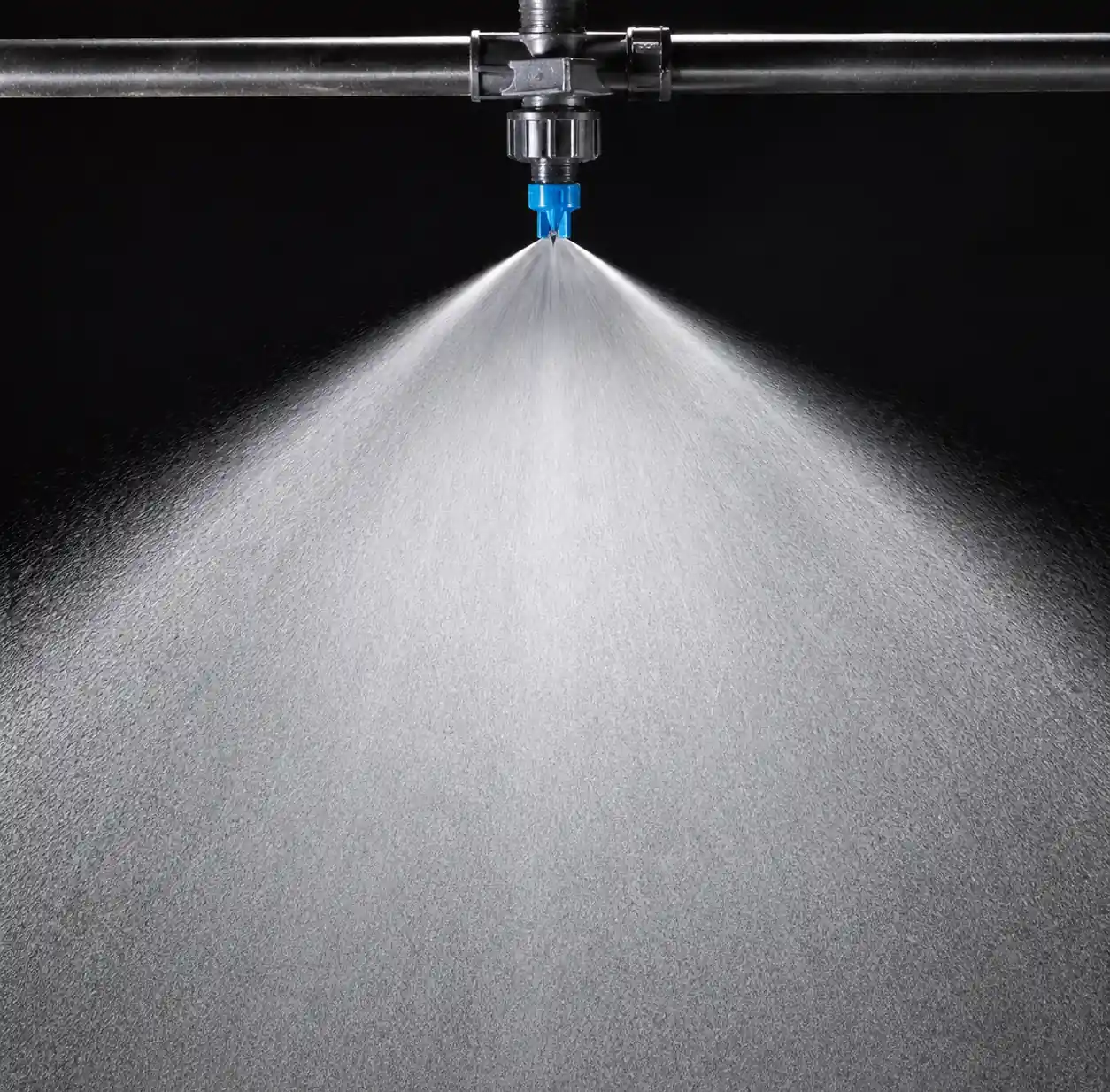
فوهات المروحة المسطحة هي أجهزة رش دقيقة تنتج نمط رش بيضاوي مع توزيع سائل متجانس. تستخدم الفوهة فتحة مصنعة وريشة داخلية لتشكيل السائل المضغوط على شكل مروحة مسطحة، عادة بزوايا رش تتراوح بين 80° إلى 110°.
! عرض نمطي رذاذ 1 مروحة مسطحة فوهة مروحة مسطحة تنتج نمط رش بيضاوي في الحقول الزراعية
يمكنك تحقيق تداخل مثالي للرش عن طريق وضع الفوهات على ارتفاع الذراع المناسب وفواصل التباعد، مما يضمن ترسبا كيميائيا متساويا. وهذا يجعل فوهات المروحة المسطحة الخيار القياسي للرش اللاسلكي لمبيدات الأعشاب والمبيدات الفطرية والمبيدات الحشرية والأسمدة السائلة في إنتاج المحاصيل الصفوفية.
أنواع فوهات المراوح المسطحة للتطبيقات الزراعية
فوهات المروحة المسطحة القياسية
تنتج فوهات المروحة المسطحة القياسية نمط رش مدبب مع قطرات أدق عند الحواف وقطرات خشونة في المنتصف. عادة ما تتراوح زوايا الرش بين 65° إلى 110° حسب حجم الفتحة. هذه الحبوب تعمل بشكل أفضل مع مبيدات الأعشاب المستخدمة في التربة حيث لا يكون الانجراف مصدر قلق أساسي.
يجب أن تشغل مراوح مسطحة قياسية عند 30-60 psi (2-4 بار) لتكوين النمط الأمثل. الضغوط الأعلى تنتج قطرات أدق لكنها تزيد من جهد الانحراف.
حتى فوهات المراوح المسطحة
حتى فوهات المروحة المسطحة توفر حجم قطرات موحد عبر عرض الرش بالكامل. يتميز هذا التصميم بغرفة ما قبل الفتحة التي توازن ضغط السائل قبل تكوين الرذاذ، مما ينتج أحجام قطرات ثابتة من الحافة إلى الحافة.
! توزيع موحد-مسطح-مسطح-مروحة زوجية حتى فوهة المروحة المسطحة تظهر توزيع قطرات منتظم عبر عرض الرش
يمكنك استخدام مراوح مسطحة حتى لمبيدات الأعشاب بعد الظهور أو الفطريات أو أي حالة تتطلب تحكما دقيقا في القطرات. عادة ما يتراوح ضغط التشغيل بين 20-40 psi (1.4-2.8 بار).
فوهات المراوح المسطحة منخفضة الانزلاق
تدمج فوهات المراوح المسطحة منخفضة الانزلاق تقنية حث الهواء لإنتاج قطرات أكبر مملوءة بالهواء تقاوم انحراف الرياح. تسحب هذه الفوهات الهواء إلى التيار السائل عبر المنافذ الداخلية، مما يخلق قطرات مملوءة بالهواء في فئات الحجم الخشن جدا إلى الخشن جدا.
تقلل القطرات المملوءة بالهواء جهد الانجراف بنسبة 50-90٪ مقارنة بمراوح مسطحة قياسية عند معدلات تدفق متكافئة في نفس الحالات. يجب تحديد فوهات منخفضة الانجراف للتطبيقات بالقرب من المحاصيل الحساسة، وظروف الرياح المعتدلة (حتى 10 ميل في الساعة)، والامتثال لتقليل الانجراف.
يتراوح ضغط التشغيل بين 30-60 psi (2-4 بار)، مع أداء مثالي عند 40 psi (2.8 بار).
فوهات المروحة المسطحة ذات النطاق الممتد
تحافظ الفوهات ذات النطاق الممتد على حجم قطرة ثابت عبر نطاقات ضغط أوسع، عادة بين 15-90 psi (1-6 بار). تسمح لك هذه المرونة بضبط معدلات التطبيق عن طريق تغيير الضغط دون تغيير خصائص القطرات.
! 3-مدى ممتد-فوهة-مروحة-مسطحة-على الذراع فوهات مراوح مسطحة ذات مدى ممتد مثبتة على ذراع رش زراعية
يمكنك استخدام فوهات المدى الممتد في أنظمة المعدل المتغير وعندما تختلف سرعات المجال. يوفر نطاق التشغيل الموسع مرونة أكبر لخلط منتجات كيميائية مختلفة على نفس الذراع.
نمط الرش وتحسين التغطية
تباعد الفوهة وحسابات ارتفاع الذراع
يخلق تداخل نمط الرش تغطية موحدة عندما تتقاطع مراوح الرش المجاورة عند الارتفاع الصحيح. بالنسبة لفوهات المروحة المسطحة، حافظ على ارتفاع الذراع عند 30-50٪ من تباعد الفوهات بزوايا 80° و40-60٪ بزوايا 110°.
| زاوية الرش | تباعد الفوهات | ارتفاع البوم الموصى به | نسبة التداخل |
|---|---|---|---|
| 80° | 20 بوصة (50 سم) | 15-20 بوصة (38-50 سم) | 100٪ |
| 110° | 20 بوصة (50 سم) | 18-24 بوصة (46-61 سم) | 100٪ |
| 80° | 15 بوصة (38 سم) | 12-15 بوصة (30-38 سم) | 100٪ |
| 110° | 15 بوصة (38 سم) | 14-18 بوصة (36-46 سم) | 100٪ |
احسب ارتفاع الذراع باستخدام: ارتفاع الذراع = (تباعد الفوهة / 2) × السور (زاوية الرش / 2). على سبيل المثال، يتطلب تباعد 20 بوصة مع فوهات 110° ارتفاع ذراع حوالي 19 بوصة.
اختبار توحيد النمط
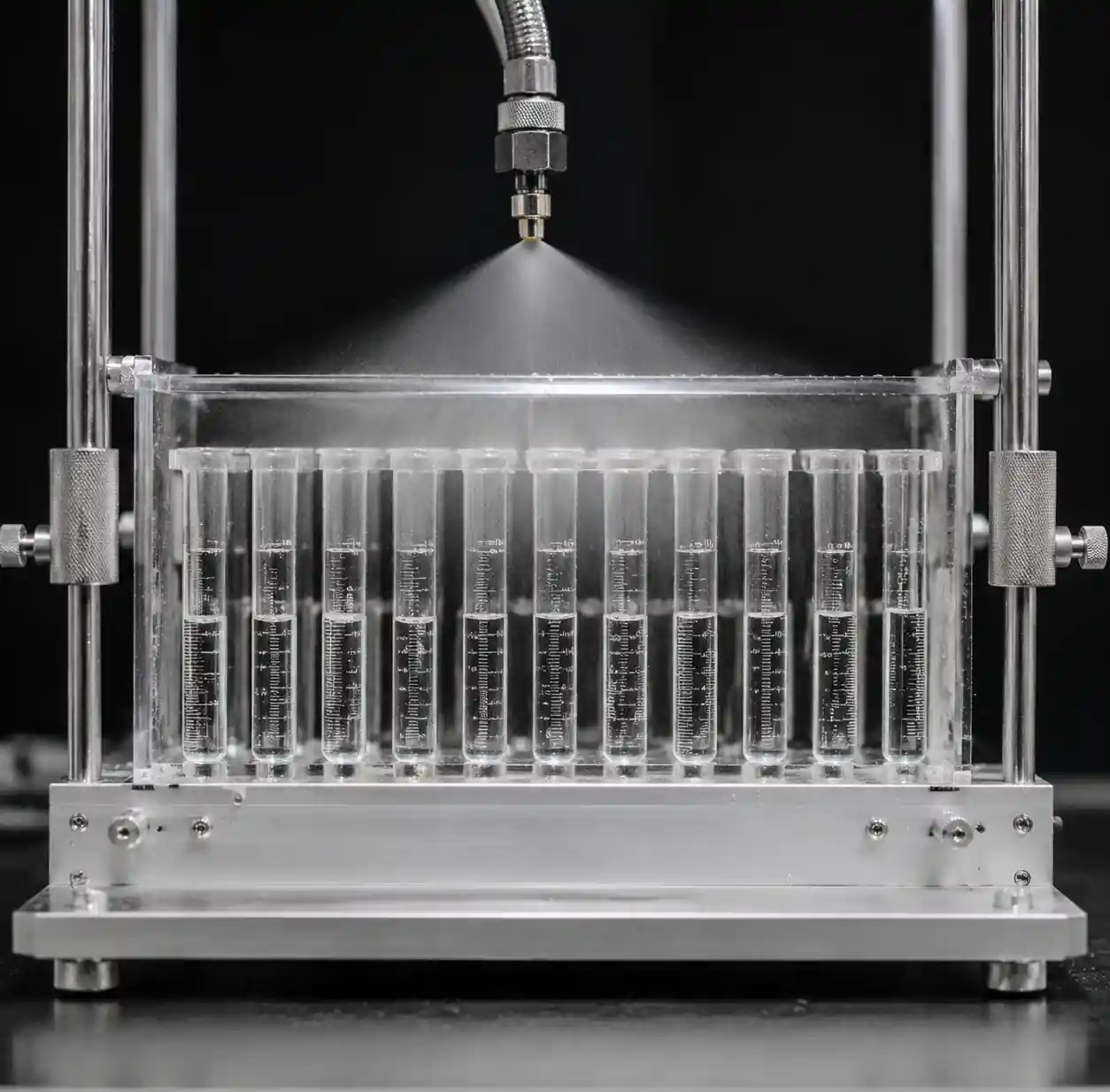
يمكنك التحقق من توحيد توزيع الرش باستخدام أداة النمط مع أنابيب جمع متباعدة بفواصل منتظمة. يجب أن يبقى معامل التغير (CV) أقل من 10٪ لتحقيق التوحيد المقبول.
! 4-نمط رذاذ-اختبار-تجانس-نمط معدات اختبار نمط الرش النمطي للتحقق من تجانس الفوهة
اختبر توحيد النمط في بداية الموسم، بعد استبدال الفوهة، وعندما تلاحظ تغطية غير متساوية. الفوهات البالية والإعدادات غير الصحيحة ستظهر كقيم CV مرتفعة.
التحكم في حجم القطرات وإدارة الانجراف
تصنيف حجم القطرات يتبع الفئات القياسية ASABE S572.3، حيث يؤثر كل منها على التغطية، وإمكانات الانجراف، والفعالية الكيميائية بشكل مختلف.
| فئة حجم القطرات | الحجم الوسيط القطر (VMD) | إمكانات الانجراف | أفضل التطبيقات |
|---|---|---|---|
| حسنا | 136-177 ميكرون | مرتفع جدا | مبيدات الأعشاب التلامسية، اختراق كثيف للمظلة |
| متوسط | 177-218 ميكرون | هاي | مبيدات الأعشاب الجهازية، ما بعد الظهور |
| خشن | 218-349 ميكرون | متوسط | مبيدات الأعشاب قبل الظهور، المبيدات الحشرية الحبيبية |
| خشن جدا | 349-428 ميكرون | منخفض | المناطق الحساسة للانجراف، وظروف الرياح |
| خشنة للغاية | 428-622 ميكرون | منخفض جدا | الحد الأقصى لتقليل الانجراف، بالقرب من المحاصيل الحساسة |
يجب أن تطابق حجم القطرات مع الآفات المستهدفة، وطريقة عمل كيميائية، وظروف الطقس. مبيدات الأعشاب التلامسية تتطلب قطرات متوسطة إلى دقيقة لتغطية الأوراق، بينما المنتجات الجهازية تعمل بشكل جيد مع القطرات الخشنة إلى الخشنة جدا.
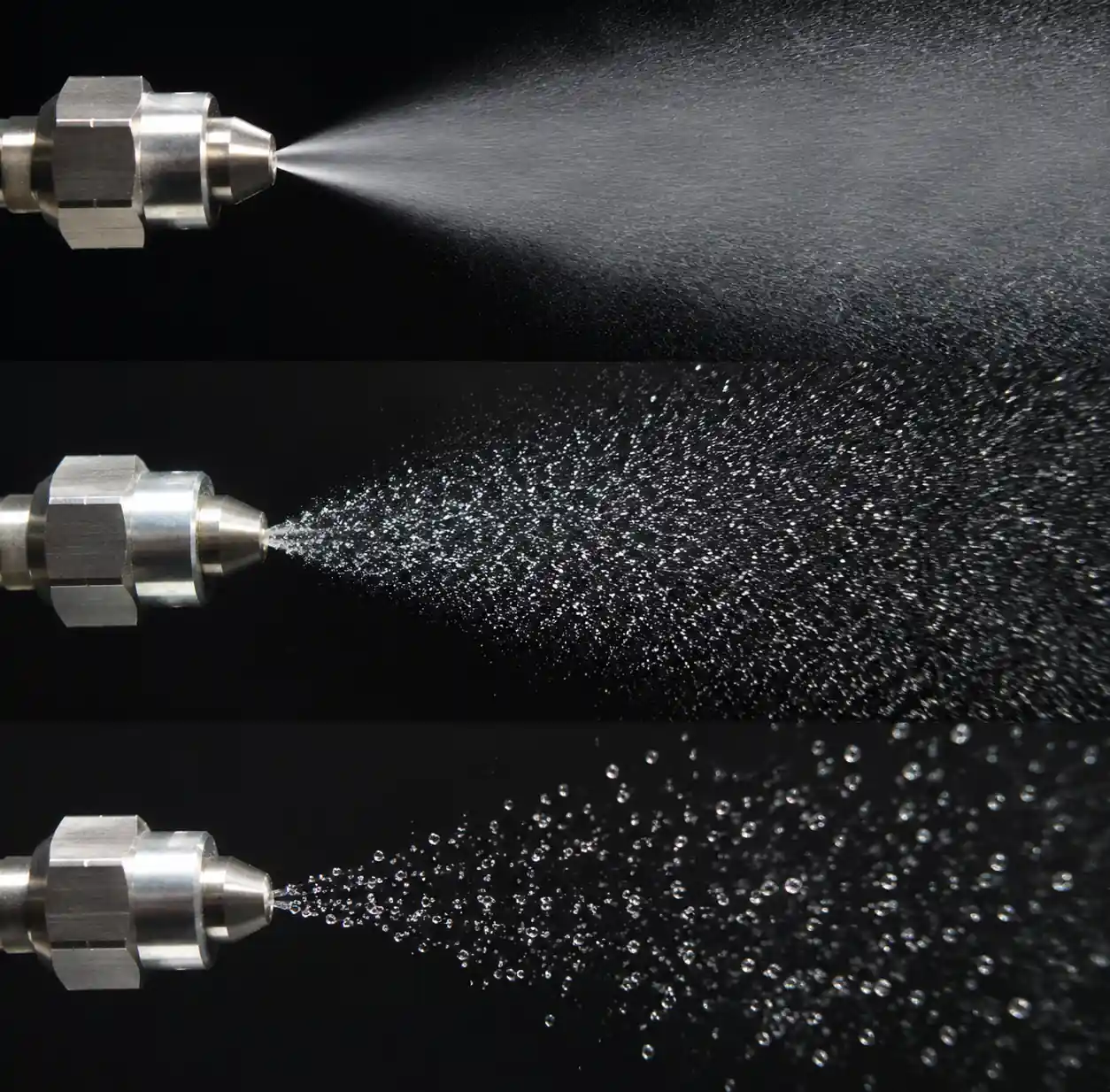
! مقارنة حجم 5 قطرات ضغوط مختلفة مقارنة حجم قطرات الرش تظهر تأثيرات الضغط على خرج فوهة المروحة المسطحة
ضغط التشغيل يتحكم مباشرة في حجم القطرات. زيادة الضغط من 30 إلى 60 psi تقلل متوسط حجم القطرة بنسبة 30-40٪ للمراوح المسطحة العادية. يمكنك تقليل الانجراف عن طريق خفض الضغط لإنتاج قطرات أكثر خشونة، لكن التقليل المفرط (أقل من 20 psi) يؤثر على توحيد النمط.
سيناريوهات التطبيقات الزراعية
تطبيق مبيد الأعشاب قبل الظهور
تتطلب مبيدات الأعشاب قبل الإخراج تغطية سطحية متجانسة للتربة. استخدم فوهات مراوح عادية أو حتى مسطحة مع قطرات خشنة إلى خشنة جدا عند 30-40 psi (2-2.8 بار). تتراوح معدلات التدفق بين 15-30 GPA (140-280 لتر/هكتار).
حافظ على ارتفاع الذراع عند 18-24 بوصة (45-60 سم) فوق التربة لفوهات بزاوية 110° متباعدة بمسافة 20 بوصة (50 سم). هذا يضمن ترسبا موحدا مع انحراف طفيف للغاية.
حماية المحاصيل بعد الظهور
تستهدف التطبيقات بعد الظهور الأعشاب الضارة والآفات الموجودة. حدد فوهات المروحة المسطحة منخفضة الانزلاق التي تنتج قطرات خشنة جدا عند 40 psi (2.8 بار) لتحقيق أداء مثالي في حث الهواء.
! 6-فوهة الانجراف المنخفض-بعد الظهور فوهات المروحة المسطحة منخفضة الانجراف التي تطبق مبيد الأعشاب بعد الظهور في حقل المحاصيل
تتراوح أحجام المياه بين 10-20 GPA (93-187 لتر/هكتار) للمنتجات الجهازية و15-30 GPA (140-280 لتر/هكتار) لمبيدات الأعشاب التلامسية. الملحقات تؤثر على خصائص الرذاذ، لذا تحقق من حجم القطرات عند إضافتها.
تطبيق المعدل المتغير
تقوم أنظمة المعدل المتغير بتعديل معدلات المواد الكيميائية بناء على مناطق الحقول التي ترسم عبر GPS. تحافظ فوهات المروحة المسطحة ذات المدى الممتد على خصائص قطرات متسقة عبر تغيرات الضغط، مما يسمح بتغيرات المعدل من خلال تعديل الضغط.
! نظام رش بمعدل 7 متغير - GPS - يتحكم فيه نظام تطبيق رش بمعدل متغير مع فوهات مروحة مسطحة ذات مدى ممتد ونظام تحكم GPS
تحقيق تغير معدل بنسبة 3:1 إلى 6:1 عن طريق تغيير الضغط من 15 إلى 90 psi، مما يلغي الحاجة إلى أنظمة تعديل عرض النبضة.
إرشادات اختيار الفوهة
حساب معدل التدفق
احسب معدل تدفق الفوهة المطلوب: GPM لكل فوهة = (GPA × ميل في الساعة × W) / 5,940
حيث GPM = جالونات في الدقيقة، GPA = جالونات لكل فدان، MPH = سرعة الأرض، W = تباعد الفوهة بالبوصة.
مثال: تطبيق 20 GPA بسرعة 10 ميل في الساعة مع تباعد 20 بوصة يتطلب 0.67 GPM لكل فوهة.
اختيار المواد والارتداء
- بوليمر (بلاستيك): تكلفة منخفضة، مقاومة كيميائية جيدة، عمر تآكل لموسم إلى موسمين
- الفولاذ المقاوم للصدأ: مقاومة تآكل ممتازة (3-5 فصول)، توافق واسع
- السيراميك: مقاومة تآكل فائقة (5-10 فصول)، الأفضل للمنتجات الكاشطة
تحقق من تآكل الفوهة بانتظام من خلال مقارنة معدل التدفق بالمواصفات. استبدل عندما يتجاوز التدفق ±10٪ من السعة المقدرة.
الصيانة وحل المشكلات
افحص الفوهات قبل كل عملية بحثا عن الأضرار أو التآكل أو الحطام. نظف الفوهات المسدودة باستخدام فرش ناعمة وضغط ماء—لا تستخدم أبدا أدوات معدنية تضر الفتحات. استبدل المصفاة عندما تظهر عدادات الضغط ضغط النظام مرتفعا. استخدم شاشات بحجم 100 شبكة (149 ميكرون) لمعظم فوهات المراوح المسطحة.
| المشكلة | السبب المحتمل | الحل |
|---|---|---|
| نمط بخاخ مخطط | تآكل في الفتحة، ضغط غير صحيح | اختبار التدفق، استبدله إذا >10٪ تآكل |
| الانجراف الثقيل | قطرات دقيقة، ضغط زائد | اختر فوهة خشنة، وخفض الضغط |
| تغطية ضعيفة | ارتفاع الذراع غير الصحيح | قياس وضبط ارتفاع الذراع |
| تطبيق غير متساو | تغير التدفق بين الفوهات | اختبر التدفق بالكامل، استبدل الوحدات البالية |
| رغوة زائدة | الضغط منخفض جدا | زيادة إلى الحد الأدنى الموصى به |
الأسئلة المتكررة
ما زاوية الرش التي يجب أن أستخدمها لتطبيقات البث؟
استخدم فوهات مروحة مسطحة بزاوية 110° مع تباعد 20 بوصة (50 سم) وارتفاع ذراع 18-24 بوصة (45-60 سم). الزاوية الأوسع توفر تداخلا وتوحيدا أفضل.
كم مرة يجب أن أستبدل فوهات الرش؟
قم باختبار التدفق كل 50 ساعة أو في بداية الموسم. استبدل عندما يتجاوز التدفق ±10٪ من المواصفات أو يظهر النمط تشوها. تتراوح مدة التآكل النموذجية بين 200 إلى 500 ساعة.
هل يمكنني خلط أنواع مختلفة من الفوهات على نفس الذراع؟
لا. يجب أن تكون جميع الفوهات بنفس النموذج، وحجم الفتحة، وزاوية الرش للحفاظ على التطبيق المتجانس.
ما هو الضغط الأمثل لفوهات تقليل الانحراف؟
معظم فوهات الحث الهوائي تؤدي أفضل عند 40 psi (2.8 بار). أقل من 30 psi يقلل من فعالية تحريض الهواء.
ما الذي يسبب انسداد الفوهة أثناء التشغيل؟
ترشيح غير كاف، خلط كيميائي غير متوافق، أو بقايا جافة. قم بتركيب 50-100 فلتر شبكي ونظف الأنظمة جيدا بعد كل استخدام.
الخاتمة
تظل فوهات المروحة المسطحة هي تقنية الرش الأساسية لحماية المحاصيل الزراعية بسبب أدائها المثبت، وتنوع الاختيارات، وفعاليتها من حيث التكلفة. يتطلب الاختيار الصحيح مطابقة نمط الرش، حجم القطرات، وسعة التدفق مع المحصول والمنتج الكيميائي وظروف التطبيق. تقلل التصاميم منخفضة الانجراف بشكل كبير من الحركة خارج الهدف مع الحفاظ على فعاليتها. الفحص الدوري، واختبار التدفق، والاستبدال في الوقت المناسب يحافظون على دقة التطبيق والأداء الكيميائي.
تقدم YuechenPrecision Technology مجموعة شاملة من فوهات مراوح المراوح المسطحة الزراعية المصممة خصيصا لظروف الملعب الصعبة. تشمل خط منتجاتنا مراوح مسطحة قياسية، وأنماط رش متساوية، وتصاميم تقليل انحراف الهواء بالحث الهوائي(/products/air-atomizing-nozzles/18.html)، ونماذج مدى ممتد مناسبة لأنظمة المعدل المتغير. نقدم الدعم الفني لاختيار الفوهات، وتكوين الذراع، وتحسين أنظمة الرش عبر جميع أنواع المحاصيل الرئيسية.
تواصل معنا اليوم للمساعدة في اختيار فوهة الرش الزراعية، وحسابات معدل التدفق، وحلول أنظمة الرش المخصصة المصممة لتلبية متطلبات حماية المحاصيل الخاصة بك.