



ما هو تنظيف الخزان الدوار ولماذا يهم: دليل كامل
لقد تطور تنظيف الخزانات الصناعية بشكل كبير خلال العقد الماضي. إذا كنت تدير خزانات في معالجة الأغذية أو الأدوية أو إنتاج المواد الكيميائية، فإن فهم تقنية تنظيف الخزانات الدوارة يمكن أن يوفر آلاف الساعات على عمليتك ويقلل بشكل كبير من تكاليف التشغيل. يستعرض هذا الدليل الشامل كل ما تحتاج معرفته عن أنظمة تنظيف الخزانات الدوارة ولماذا تحدث ثورة في معايير النظافة الصناعية.
- 1. 1. ما هو تنظيف الخزان الدوار؟
- 2. 2. كيف تعمل أنظمة تنظيف الخزانات الدوارة
- 2.1. تدوير ذاتي التشغيل
- 2.2. نمط التغطية التقدمية
- 2.3. إجراء التنظيف المزدوج
- 3. 3. أنواع معدات تنظيف خزانات الدوران
- 3.1. كرات رش دوارة
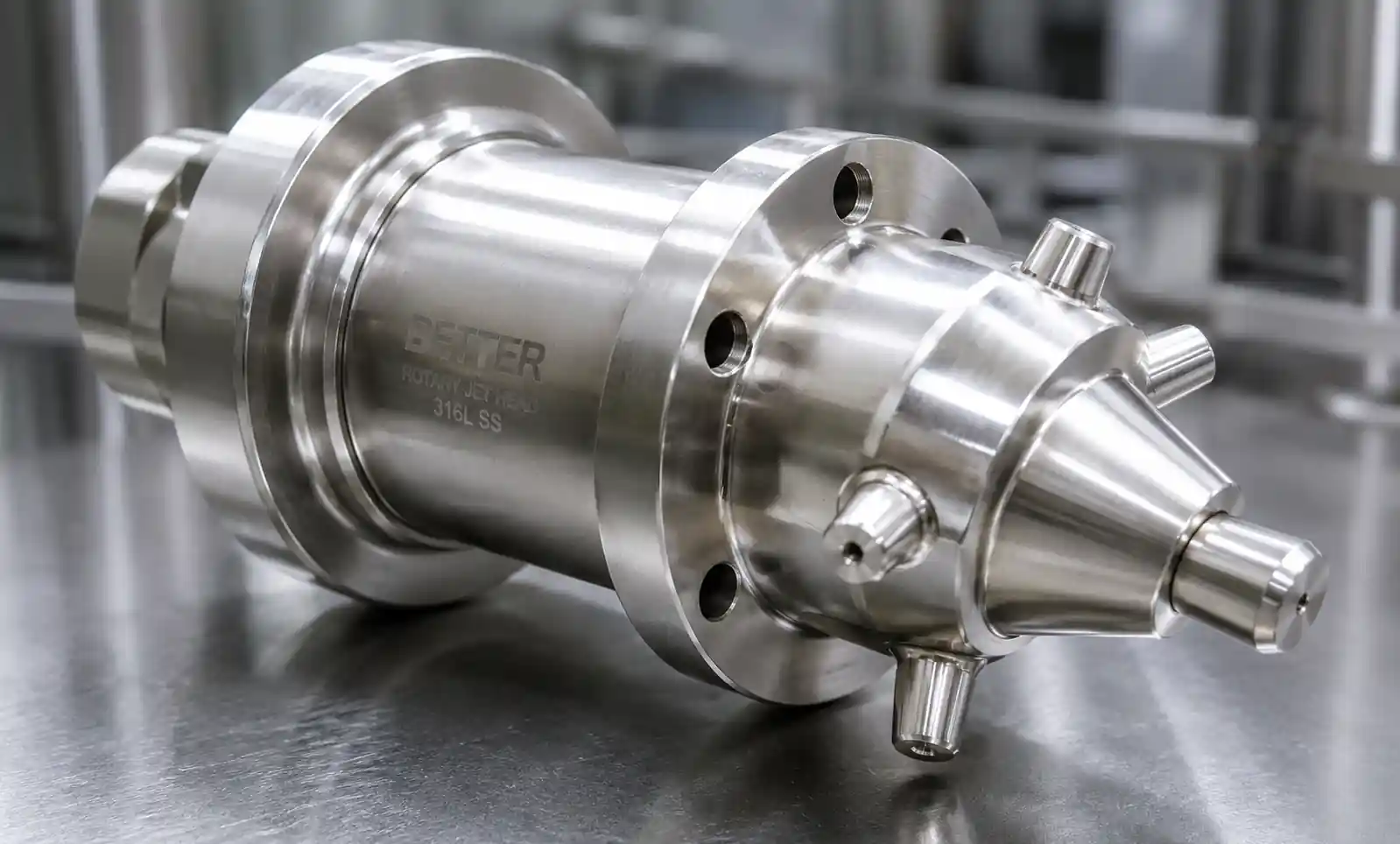
- 3.2. رؤوس الطائرات النفاثة الدوارة
- 3.3. آلات تنظيف الخزانات الآلية
- 4. 4. الفوائد الرئيسية لتقنية التنظيف الدوار
- 4.1. توفير كبير في الوقت
- 4.2. حفظ الموارد
- 4.3. نتائج تنظيف متفوقة
- 4.4. انخفاض تكاليف التشغيل
- 4.5. أمان معزز
- 5. 5. الصناعات والتطبيقات
- 5.1. معالجة الأغذية والمشروبات
- 5.2. الأدوية والتكنولوجيا الحيوية
- 5.3. المعالجة الكيميائية
- 5.4. مستحضرات التجميل والعناية الشخصية
- 5.5. النقل واللوجستيات
- 6. 6. توفير التكاليف والعائد على الاستثمار
- 6.1. دراسات حالة موثقة
- 6.2. إمكانات تقليل التكاليف
- 6.3. الجدول الزمني للعائد على الاستثمار
- 7. 7. رؤوس نفاثة دوارة مقابل كرات رش ثابتة
- 7.1. أداء التنظيف
- 7.2. كفاءة الموارد
- 7.3. ملاءمة التطبيق
- 7.4. الاقتصاد طويل الأمد
- 8. 8. اختيار نظام تنظيف خزان دوار مناسب
- 8.1. مواصفات الدبابة
- 8.2. نوع التربة ومتطلبات التنظيف
- 8.3. توافق المواد
- 8.4. التكامل مع الأنظمة القائمة
- 8.5. الامتثال التنظيمي
- 8.6. دعم وخدمة الموردين
- 9. 9. الخاتمة
1. ما هو تنظيف الخزان الدوار؟
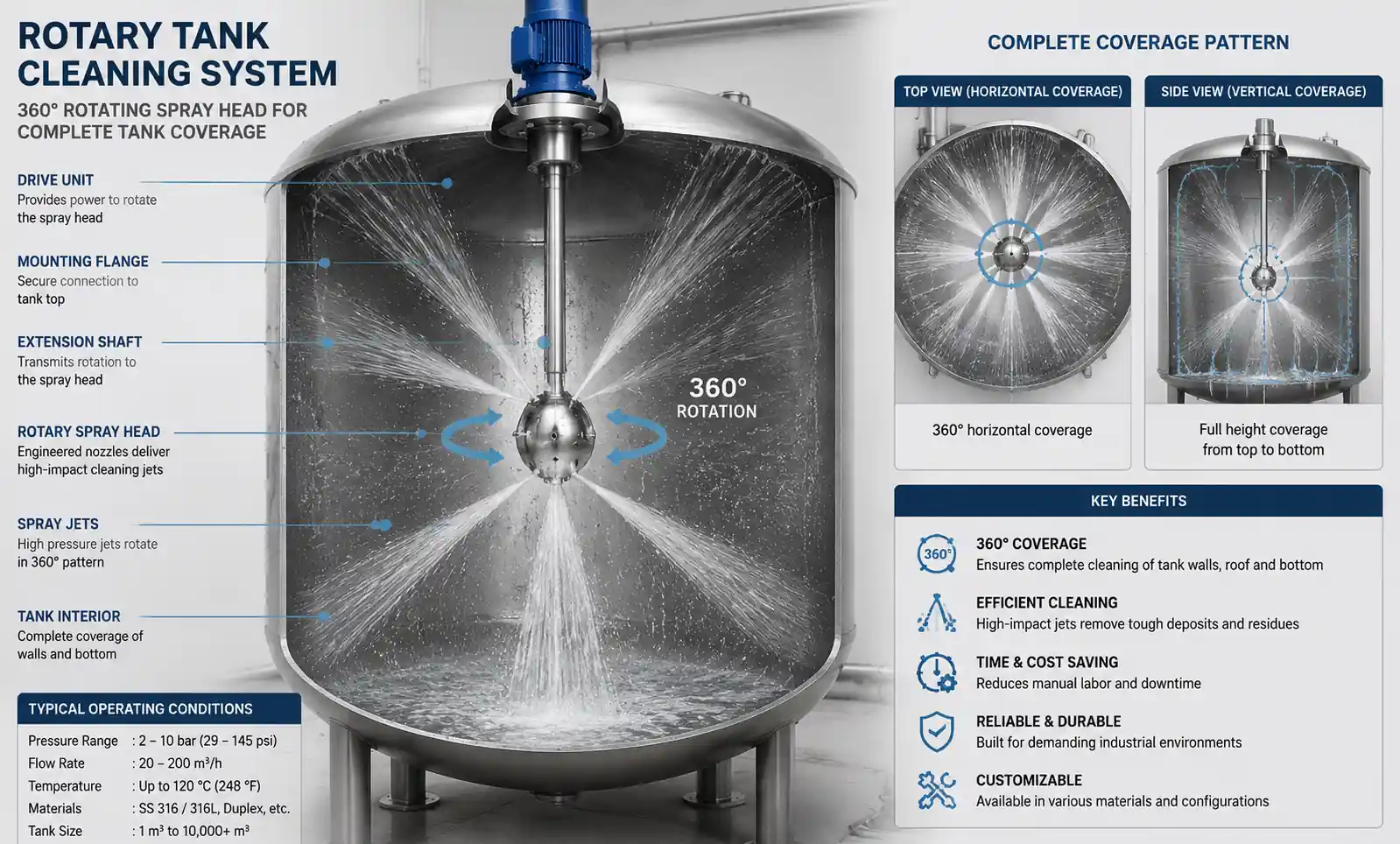
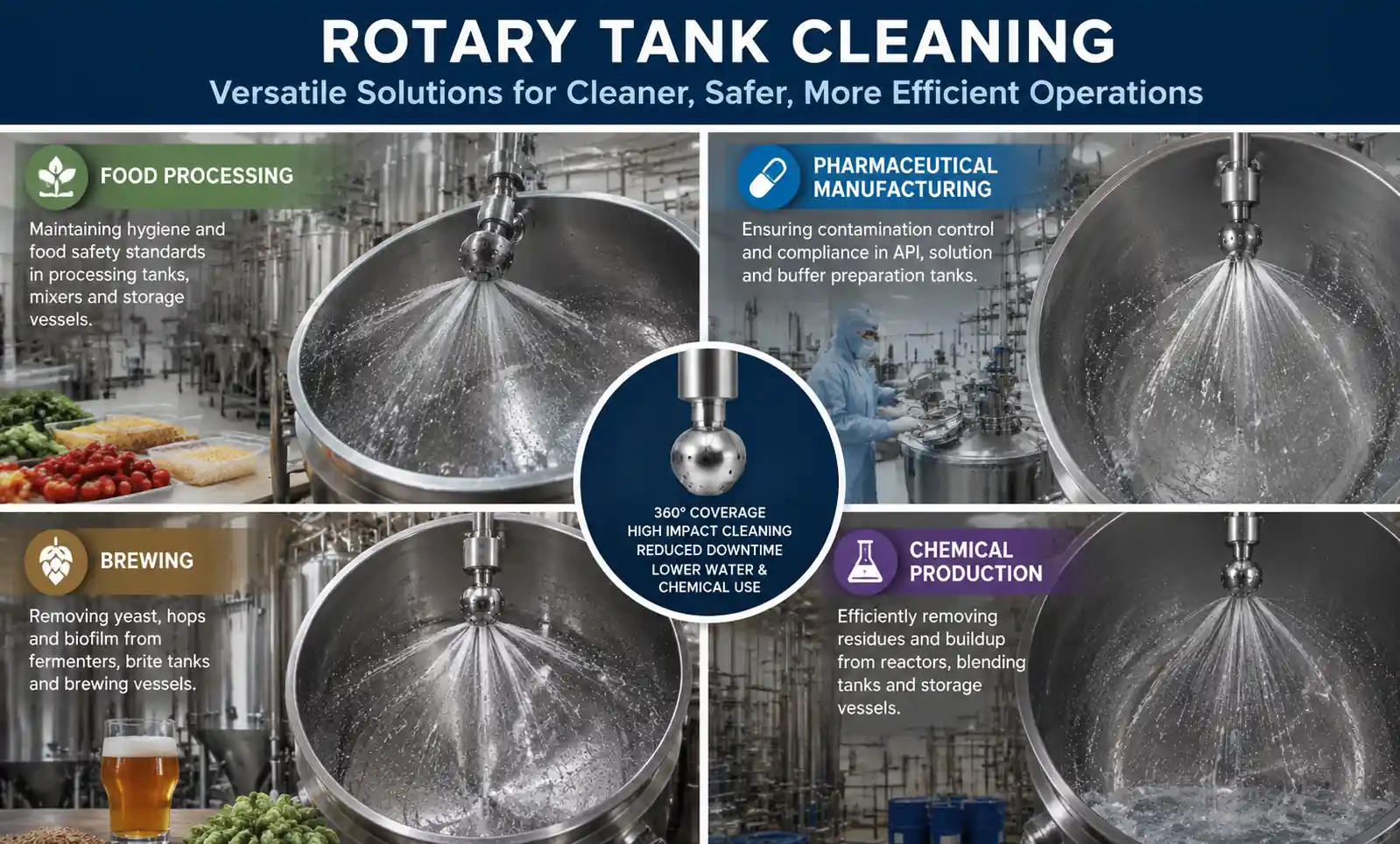
يشير تنظيف الخزانات الدوارة إلى أنظمة التنظيف الآلية التي تستخدم فوهات رش دوارة أو رؤوس نفاثة لتنظيف الأسطح الداخلية للخزانات والأوعية الصناعية. على عكس كرات الرش التقليدية الثابتة، توفر هذه الأنظمة تغطية كاملة بزاوية 360 درجة من خلال دوران ميكانيكي يعمل بواسطة سائل التنظيف نفسه.
! نظرة عامة على نظام تنظيف الخزان الدوار
فكر فيها كأنها رشاش ري صناعي قوي مصمم للتنظيف عالي التأثير. تستخدم التقنية ماء عالي الضغط أو محاليل تنظيف مدفوعة عبر فوهات دقيقة تدور على محورين، مما يخلق أنماط تغطية شاملة تصل إلى كل سطح داخل الخزان.
تم تصميم هذه الأنظمة لخزانات تتراوح سعتها بين 15 إلى 500 متر مكعب، وهي مكونات أساسية لأنظمة التنظيف في المكان (CIP) المستخدمة في جميع منشآت التصنيع حول العالم. في عام 2026، أصبحت تقنية التنظيف الدوار الخيار المفضل للمنشآت التي تركز على الكفاءة والاستدامة ونتائج التنظيف المتفوقة.
2. كيف تعمل أنظمة تنظيف الخزانات الدوارة
آلية تنظيف الخزان الدوار أنيقة وفعالة للغاية. إليك كيف تتطور العملية:
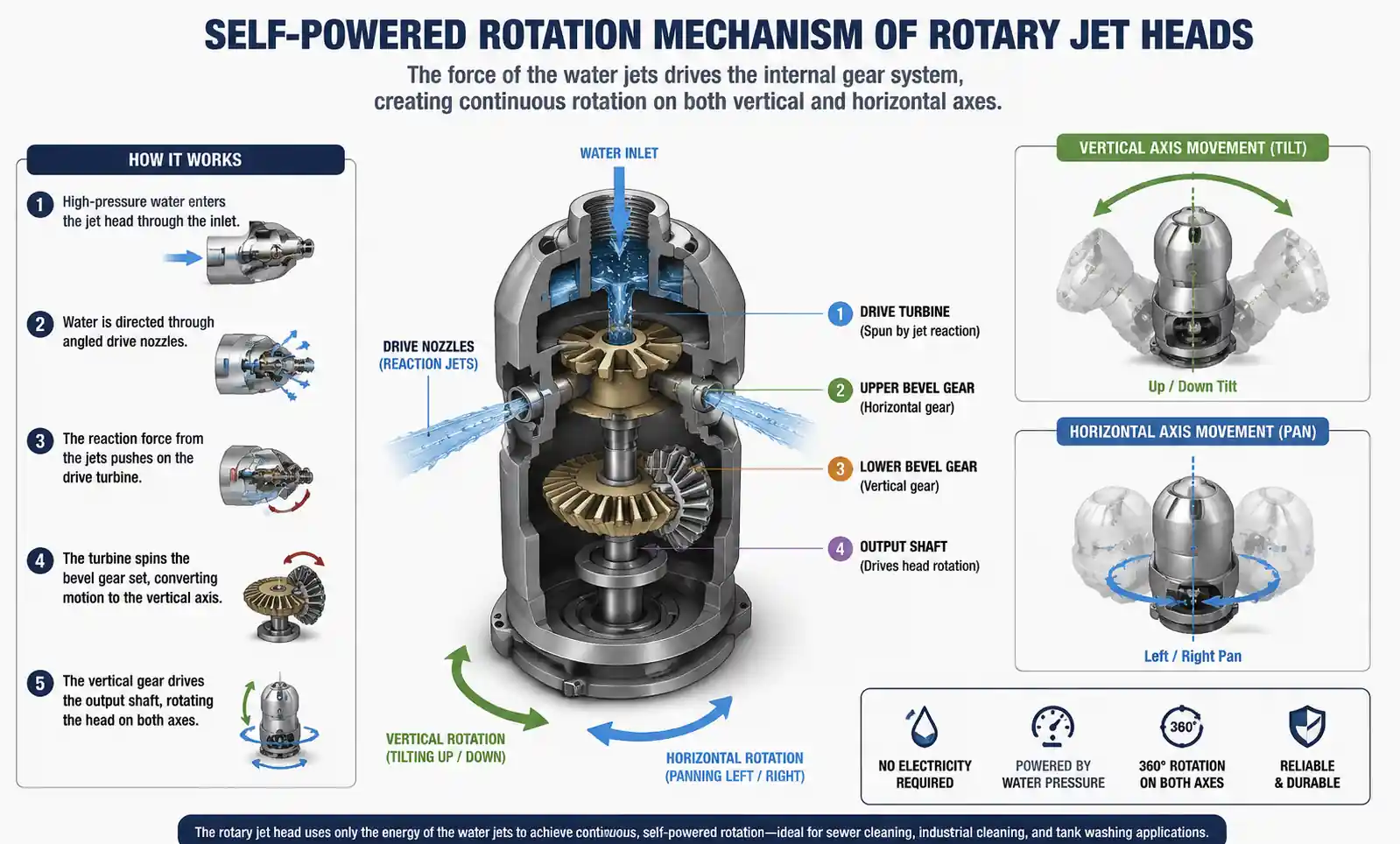
تدوير ذاتي التشغيل
سائل التنظيف نفسه يغذي الدوران. عندما يمر سائل عالي الضغط عبر الفوهات، تدفع قوة التفاعل آلية ذات تروس تدور رؤوس الرش حول المحورين الرأسيين والأفقيين. لا حاجة لمحركات خارجية—النظام يعمل بالكامل ذاتيا بواسطة ديناميكا الموائع.
نمط التغطية التقدمية
أنظمة الدوران لا ترش داخل الخزان بشكل عشوائي. تتبع نمط تنظيف مصمم بدقة:
- الدورة الأولى: ترسيب نمطا خشنا عبر أسطح الخزان
- الدورات التالية: تزيد تدريجيا من كثافة النمط
- تغطية كاملة: عادة ما تتحقق بعد 8 دورات تدوير كاملة
يضمن هذا النهج المنهجي أن كل بوصة مربعة من داخل الخزان تتلقى عدة مرات تنظيف عالية التأثير.
إجراء التنظيف المزدوج
رؤوس النفاثات الدوارة تنظف عبر آليتين متزامنتين:
- التنظيف المباشر من الصدمات: تيارات مركزة عالية الضغط تصطدم بالأسطح بقوة كبيرة، مما يؤدي إلى تكسير البقايا والملوثات
- القوة المماسية: إشعاع الطاقة من كل نقطة اصطدام يخلق تأثير تنظيف يخفف الترسبات العنيدة
وفي الوقت نفسه، يتم ضخ سائل التنظيف الملوث باستمرار، مما يمنع إعادة ترسيب المواد المقلدة.
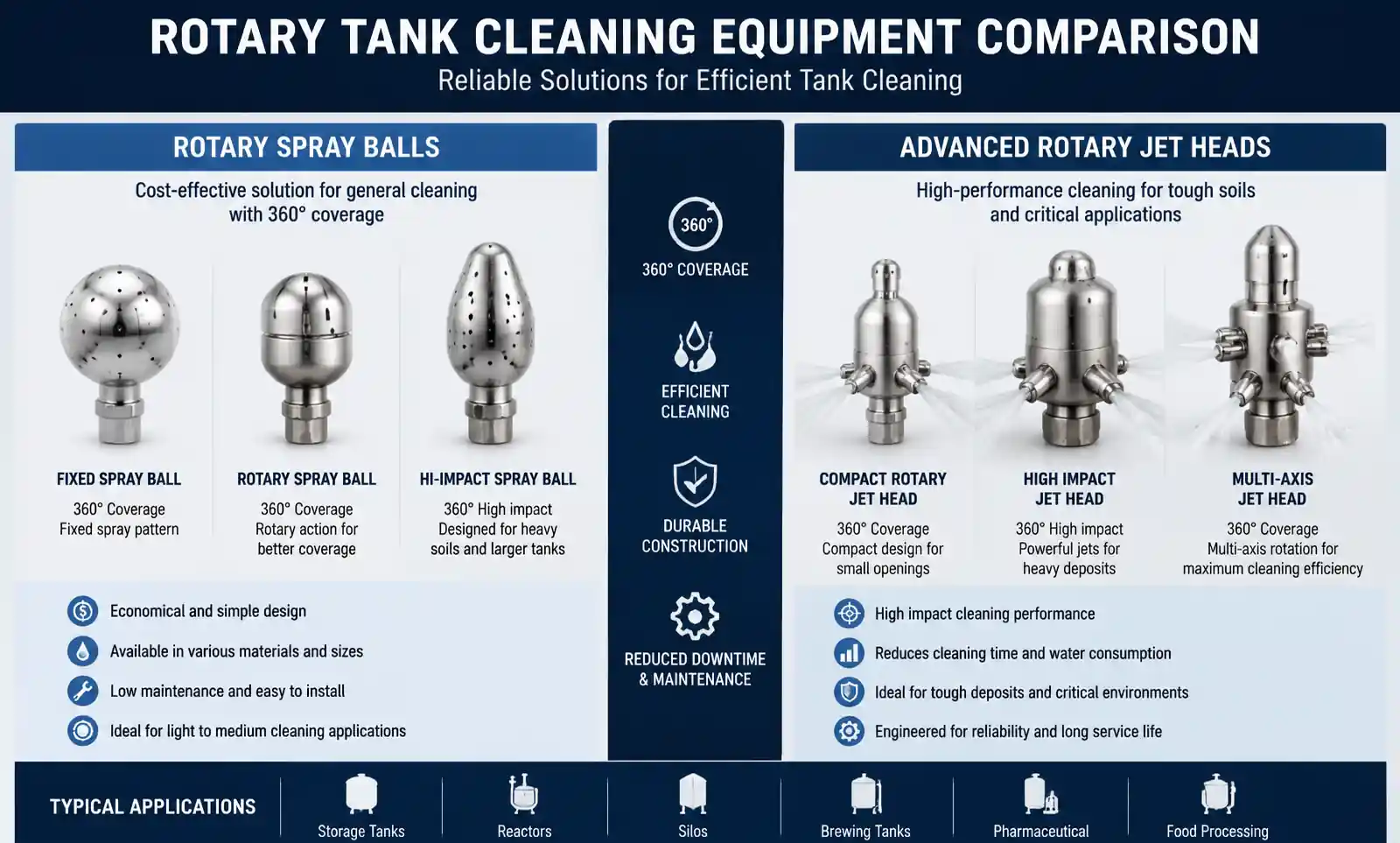
3. أنواع معدات تنظيف خزانات الدوران
فهم أنواع أنظمة التنظيف الدوار المختلفة يساعدك في اختيار المعدات المناسبة لتطبيقك.
! 3 أنواع من معدات التنظيف الدوارة
كرات رش دوارة
وتسمى أيضا "الدوارات" أو "الفوهات الدوارة"، وهي تصاميم أبسط تعمل بالسائل وتعرض:
- تكاليف مقدمة أقل
- مناسب لمتطلبات التنظيف الخفيف إلى المتوسط
- فعال في التنظيف المنتظم
- قوة التأثير المتوسطة لإزالة التربة بشكل عام
كرات الرش الدوارة تعمل جيدا للخزانات التي تحتاج إلى تنظيف متكرر ولكن أقل كثافة، مثل أوعية تخزين السوائل التي لا تحتوي على بقايا ثقيلة.
رؤوس الطائرات النفاثة الدوارة
تمثل هذه الأنظمة المتطورة أحدث تقنيات تنظيف الخزانات:
- دوران متعدد المحاور مع تحكم دقيق
- تيارات نفاثة عالية الصدمة (2-4 فوهات مركزة)
- آلية تنظيف ميكانيكية متفوقة
- مثالي لإزالة الترسبات العنيدة والتسخ الثقيل
تركز رؤوس النفاثات الدوارة طاقة التنظيف في تيارات قوية بدلا من تشتتها، مما يخلق قوى صدمة أعلى بكثير. وهي الخيار المفضل للتطبيقات الصارمة في الأدوية، ومعالجة المواد الكيميائية، وإنتاج الغذاء حيث لا يمكن التفاوض على الصرف الصحي الكامل.
آلات تنظيف الخزانات الآلية
تدمج الأنظمة الأكثر تقدما تقنية التدوير مع ضوابط آلية، ودورات تنظيف قابلة للبرمجة، وأنظمة مراقبة تتابع فعالية التنظيف واستهلاك الموارد في الوقت الحقيقي.
4. الفوائد الرئيسية لتقنية التنظيف الدوار
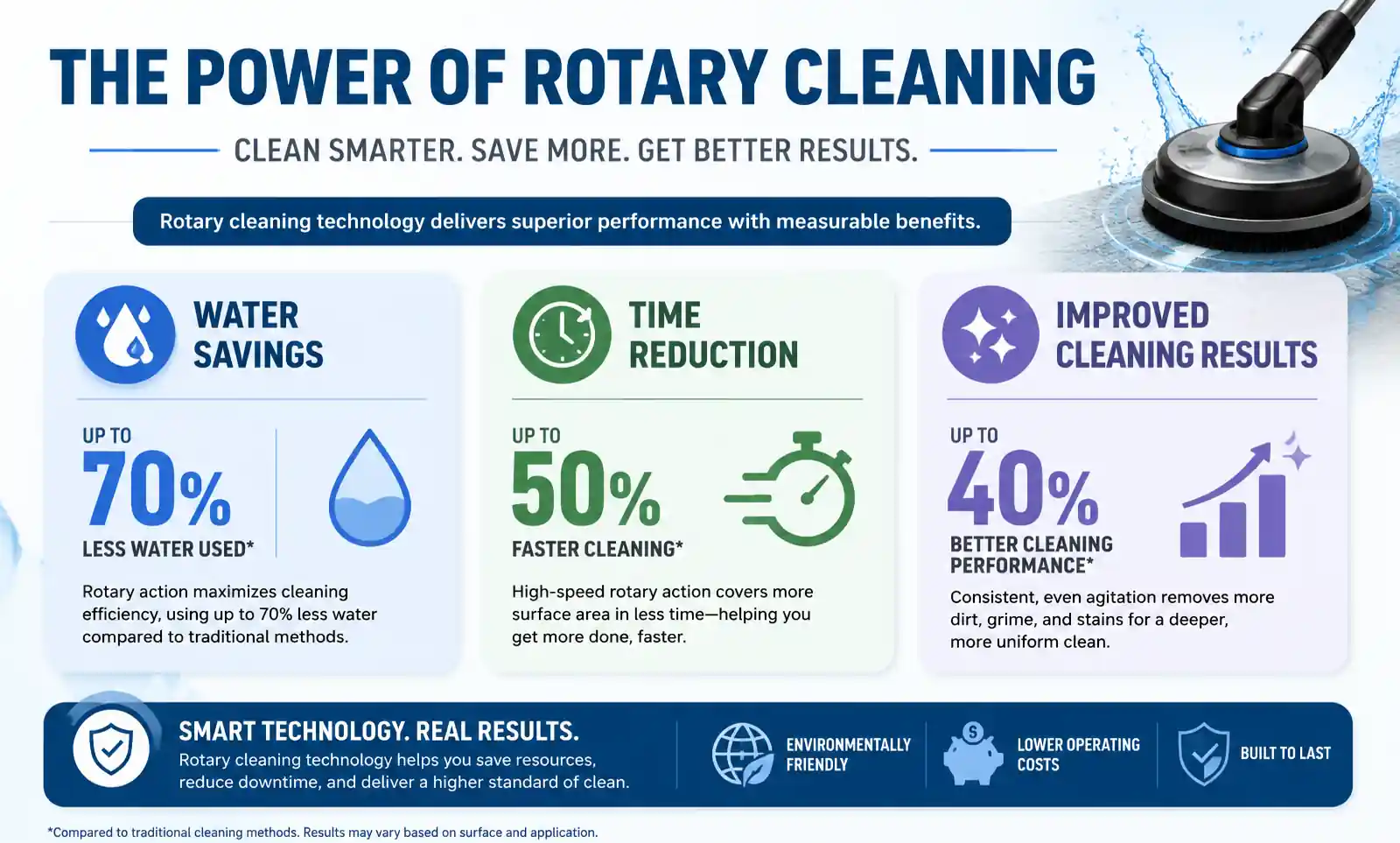
تمتد مزايا تنظيف الخزانات الدوارة إلى ما هو أبعد من مجرد الأتمتة. إليك سبب تحول المنشآت حول العالم:
! 4-إنفوجرافيك لتنظيف الدوارة-فوائد
توفير كبير في الوقت
رؤوس النفاثات الدوارة تنظف الخزانات بسرعة تصل إلى 70٪ من كرات الرش الساكنة. عملية كانت تتطلب ساعات من العمل اليدوي أو دورات كرة الرش الممتدة تنتهي الآن في 20 دقيقة أو أقل. بالنسبة للمنشآت التي تنظف عدة خزانات يوميا، يترجم ذلك إلى مكاسب إنتاجية كبيرة.
حفظ الموارد
الاستدامة ليست مجرد أخلاق جيدة—بل هي عمل جيد. عادة ما تقلل الأنظمة الدوارة على:
- استهلاك المياه بنسبة 30-40٪
- الاستخدام الكيميائي بنسبة 30-35٪
- استهلاك الطاقة للضخ والتدفئة بهوامش مماثلة
وثقت إحدى شركات الكيماويات توفير قدره 2.3 مليون جالون من المياه سنويا بعد تطبيق أنظمة التنظيف الدوارة.
نتائج تنظيف متفوقة
توفر الطائرات النفاثة عالية الصدمة وأنماط التغطية الكاملة نتائج تنظيف أفضل باستمرار. وهذا يعني:
- عدد أقل من فحوصات النظافة الفاشلة
- تقليل خطر تلوث المنتج
- فترات زمنية ممتدة بين إجراءات التنظيف العميق
- إزالة أفضل للبقايا العنيدة التي تغفل الأنظمة الثابتة عنها
انخفاض تكاليف التشغيل
بينما تتطلب أنظمة الدوارات استثمارا أوليا أعلى، إلا أنها تقلل بشكل كبير من النفقات التشغيلية المستمرة. تظهر عدة دراسات حالة فترات استرداد أقل من ستة أشهر، حيث توفر المنشآت عشرات الآلاف من الدولارات سنويا على المياه والمواد الكيميائية والطاقة والعمالة.
أمان معزز
تلغي الأنظمة الدوارة الآلية الحاجة للأفراد لدخول الأماكن الضيقة للتنظيف اليدوي—وهي من أكثر المهام خطورة في المنشآت الصناعية. هذا يقلل بشكل كبير من مخاطر إصابات مكان العمل والتكاليف المرتبطة بها.
5. الصناعات والتطبيقات
تخدم تقنية تنظيف خزانات الدوار مجموعة متنوعة من الصناعات حيث تعتبر النظافة والكفاءة وجودة المنتج أمرا بالغ الأهمية.
! 5-تطبيقات التنظيف الدوار في الصناعة
معالجة الأغذية والمشروبات
من معالجات الألبان إلى مصانع الجعة، الأنظمة الدوارة:
- خزانات المزج والخلط
- أوعية التخزين
- معدات البسترة
- خزانات التخمير
- خطوط المعالجة بين دفعات المنتجات
زاد معالج الجبن في المملكة المتحدة من كفاءة التنظيف بنسبة 35٪ بينما قلل من استهلاك المياه بنسبة 30٪ بعد تركيب رؤوس رش دوارة في صوامع تخزين الحليب.
الأدوية والتكنولوجيا الحيوية
تواجه هذه الصناعات متطلبات نظافة صارمة. رؤوس النفاثات الدوارة تضمن:
- إزالة كاملة من بقايا المنتج
- القضاء على التلوث الميكروبي
- عمليات تنظيف جاهزة للتحقق
- الامتثال لمعايير إدارة الغذاء والدواء والاتحاد الأوروبي GMP
المعالجة الكيميائية
بالنسبة للخزانات التي تحتوي على مواد كيميائية قوية أو راتنجات لزجة أو مواد لزجة، فإن التنظيف عالي التأثير لرؤوس النفاثات الدوارة ضروري للغاية. وفرت إحدى منشأة المواد الكيميائية 2,500 ساعة سنويا في وقت توقف تنظيف الخزانات بعد الترقية إلى أنظمة دوارة.
مستحضرات التجميل والعناية الشخصية
تستفيد المنتجات التي تتطلب نقاء مطلق من التنظيف الدقيق والمتسق الذي تقدمه أنظمة الدوارة، مما يمنع التلوث المتبادل بين دفعات المنتجات.
النقل واللوجستيات
تستخدم شاحنات الصهاريج وعربات السكك الحديدية التي تنقل السوائل أو المواد الكيميائية أو الأدوية المخصصة للطعام أنظمة تنظيف دوار في مرافق المستودع للتنظيف السريع والشامل بين الأحمولة.
6. توفير التكاليف والعائد على الاستثمار
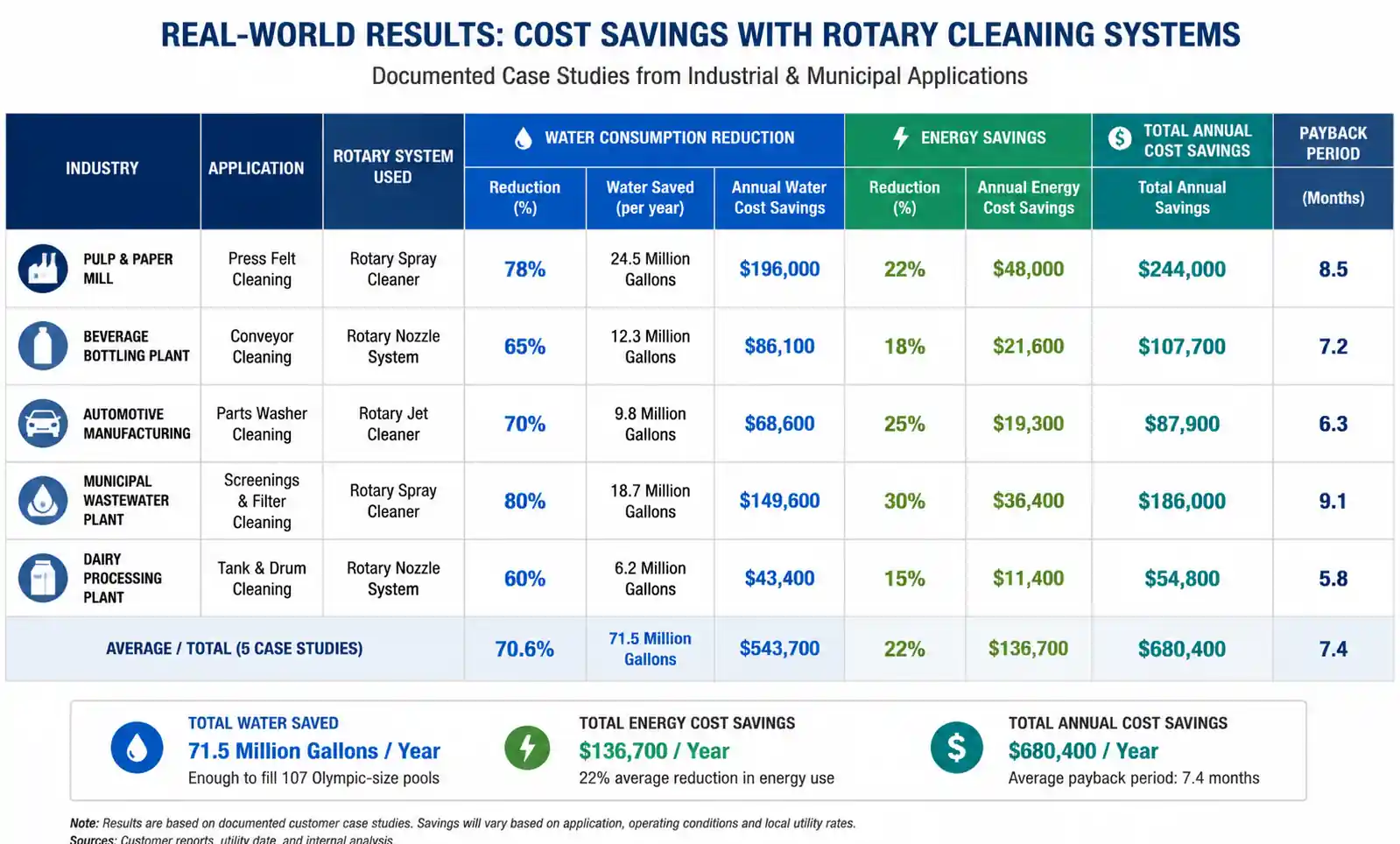
الحجة المالية لتنظيف خزانات الدوار مقنعة. تظهر البيانات الواقعية عوائد قابلة للقياس عبر عدة مقاييس.
! مخطط 6-توفير-التكاليف-ROI-chart
دراسات حالة موثقة
منتج آيس كريم بولندي
- تركيب 23 رأس نفاث دوار لتحل محل كرات الرش الثابتة
- توفير المياه السنوي: 10,000 متر مكعب
- توفير الطاقة: 650,000 كيلوواط ساعة
- تقليل البصمة الكربونية: 500 طن
- فترة الاسترداد: أقل من 6 أشهر
مصنع الجعة البريطاني
- تنفيذ رؤوس نفاثة دوارة في سفن المعالجة
- تحقيق تقليل بنسبة 30٪ في استهلاك مياه CIP
- تقليل أوقات دورة التنظيف بشكل كبير
- الحفاظ على الالتزام الكامل بالنظافة
شركة الكيماويات
- وفر 2,434 ساعة من وقت توقف الخزان سنويا
- تقليل استهلاك المياه بمقدار 2.3 مليون جالون سنويا
- إجمالي التوفير السنوي: 10,862 دولارا على المرافق وحدها
- توفير إضافي من زيادة القدرة الإنتاجية
إمكانات تقليل التكاليف
تشير بيانات الصناعة إلى أن المنشآت يمكنها تقليل تكاليف تنظيف الخزانات بنسبة تصل إلى 70٪ باستخدام أنظمة رؤوس النفاث الدوارة الديناميكية مقارنة بالتنظيف اليدوي أو كرات الرش الثابتة. تأتي التوفير من:
- تقليل مشتريات المياه والمواد الكيميائية
- انخفاض تكاليف الطاقة للضخ والتدفئة
- انخفاض تكاليف العمالة
- تقليل وقت توقف الإنتاج
- زيادة عمر المعدات من خلال تنظيف أفضل
الجدول الزمني للعائد على الاستثمار
تحقق معظم المنشآت استرداد كامل من استثمارات أنظمة التنظيف الدوار خلال 6-18 شهرا. بعد السداد، تحسن الوفورات المستمرة ربحية الأرباح بشكل مباشر عاما بعد عام.
7. رؤوس نفاثة دوارة مقابل كرات رش ثابتة
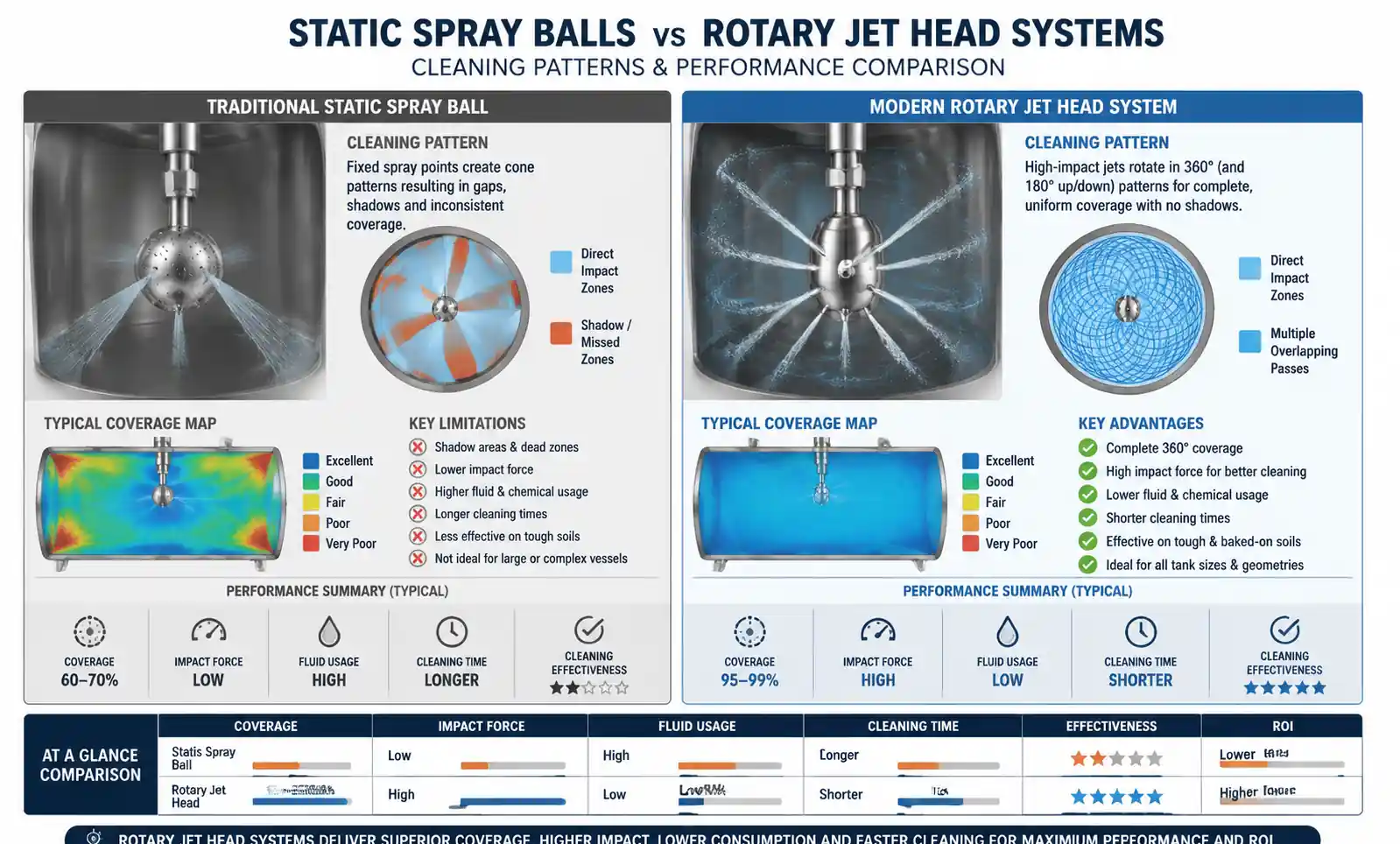
فهم الفروقات بين هذه التقنيات يساعدك على اتخاذ قرارات مستنيرة بشأن المعدات.
! مقارنة 7 رذاذ دوار مقابل رذاذ ثابت
أداء التنظيف
كرات رش ثابتة:
- تنظيف البقعة منخفض التأثير
- تخلق عدة فوهات أنماط رش متفرقة
- يتطلب دورات تنظيف أطول للحصول على نتائج مكافئة
- قد يفوت زوايا الدبابات والمناطق المظللة
رؤوس نفاثات دوارة:
- النفاثات المركزة متوسطة إلى عالية التأثير
- تغطية منهجية بزاوية 360 درجة
- تنظيف أسرع وأكثر شمولا
- يصل إلى جميع الأسطح الداخلية بشكل موثوق
كفاءة الموارد
كرات رش ثابتة:
- استهلاك أعلى للمياه (مرجع أساسي)
- زيادة الاستخدام الكيميائي بسبب دورات أطول
- زيادة الطاقة للضخ والتدفئة الممتدة
رؤوس نفاثات دوارة:
- استهلاك ماء أقل بنسبة 30٪
- 30-35٪ تقليل كيميائي
- متطلبات طاقة أقل بكثير
- دورات تنظيف أسرع تصل إلى 70٪
ملاءمة التطبيق
كرات رش ثابتة:
- تطبيقات التسخ والشطف الخفيفة
- خزانات أصغر ذات متطلبات أقل تطلبا
- تركيبات ذات ميزانية واعية حيث لا تكون شدة التنظيف ضرورية
رؤوس نفاثات دوارة:
- الأوساخ المتوسطة إلى الكثيفة
- متطلبات صارمة للنظافة
- دورات تنظيف متكررة حيث الكفاءة مهمة
- خزانات ذات هندسات صعبة أو بقايا عنيدة
الاقتصاد طويل الأمد
بينما تكون كرات الرش الثابتة ذات تكلفة أولية أقل، توفر رؤوس النفاثات الدوارة قيمة ممتازة على المدى الطويل من خلال تقليل تكاليف التشغيل ونتائج تنظيف أفضل. نجحت العديد من المنشآت في تحديث الأنظمة القائمة عن طريق استبدال كرات الرش برؤوس نفاثة دوارة.
8. اختيار نظام تنظيف خزان دوار مناسب
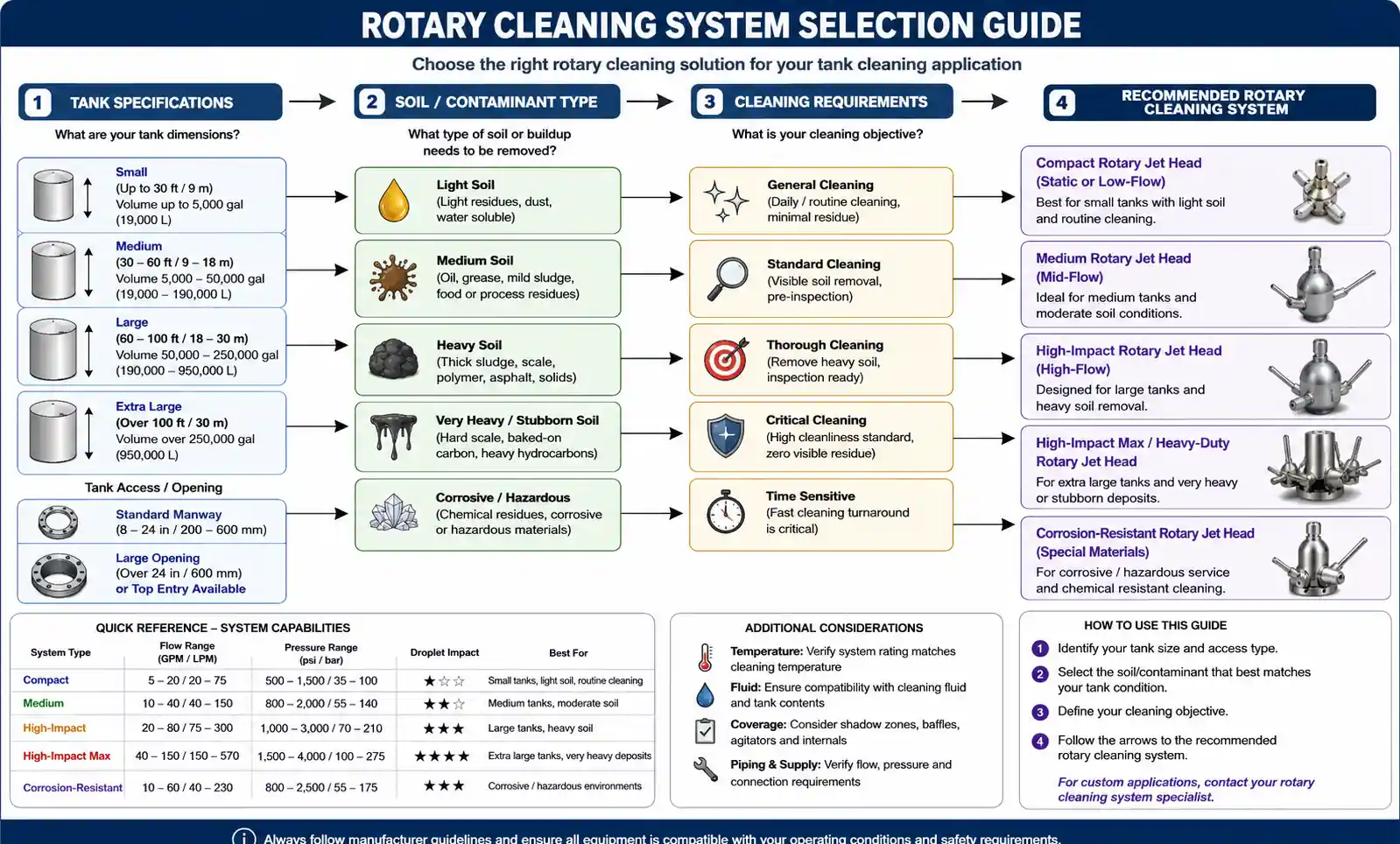
اختيار نظام التنظيف الدوار الأمثل يتطلب تقييم عدة عوامل حاسمة.
! 8-دليل-نظام-تنظيف-الخزان-الاختيار
مواصفات الدبابة
فكر في ما يلي:
- حجم الخزان والحجم (نطاق 15-500 متر مكعب نموذجي)
- هندسة الخزان (أسطوانية، مستطيلة، مع/بدون محركات)
- نقاط الوصول وخيارات التركيب
- متطلبات الضغط ودرجة الحرارة التشغيلية
نوع التربة ومتطلبات التنظيف
تتطلب التطبيقات المختلفة شدة تنظيف مختلفة:
- التسخ الخفيف: قد تكون كرات الرش الدوارة كافية
- التسخ المتوسط: رؤوس النفاثة الدوارة للمبتدئين تعمل بشكل جيد
- اتساخ كثيف: أنظمة رؤوس نفاثة دوارة عالية الصدمات مطلوبة
- الترسبات العنيدة: فكر في أنظمة ذات رؤوس نفاثة متعددة أو تكوينات فوهات متخصصة
توافق المواد
تأكد من أن نظام التنظيف الدوار يستخدم مواد متوافقة مع مواد ومنتجات التنظيف الكيميائية. في عام 2026، يفضل درجات الفولاذ المقاوم للصدأ مثل SS316L للبيئات التآكلية، بينما يعمل SS304 للتطبيقات الأقل عدوانية.
! 9-رأس نفاث-فولاذي مقاوم للصدأ دوار
التكامل مع الأنظمة القائمة
تقييم:
- توافق نظام CIP
- ضغط المياه ومعدلات التدفق المتاحة
- متطلبات سعة المضخة
- تكامل أنظمة الأتمتة والتحكم
- قدرات المراقبة والتحقق
الامتثال التنظيمي
بالنسبة لتطبيقات الأدوية والأغذية والمشروبات، تحقق من أن المعدات تلبي ما يلي:
- لوائح إدارة الغذاء والدواء
- معايير GMP في الاتحاد الأوروبي
- 3-A معايير الصحة
- إرشادات EHEDG (مجموعة الهندسة والتصميم الصحية الأوروبية)
دعم وخدمة الموردين
اختر الموردين الذين يقدمون:
- دعم فني شامل
- توفر قطع الغيار
- تدريب الصيانة
- توثيق التحقق من الأداء
- سجل حافل مثبت في صناعتك
9. الخاتمة
تمثل تقنية تنظيف الخزانات الدوارة تقدما كبيرا في النظافة الصناعية وكفاءة التشغيل. من خلال استبدال التنظيف اليدوي المكثف أو كرات الرش الساكنة غير الفعالة بأنظمة دوارة آلية، تحقق المرافق في الصناعات نتائج ملحوظة: دورات تنظيف أسرع، وتوفير كبير في الموارد، ونتائج نظافة متفوقة، وعائد استثمار قوي.
تعمل التقنية من خلال ديناميكا الموائع الأنيقة—دوران ذاتي التشغيل يخلق تغطية منهجية بزاوية 360 درجة مع حركة تنظيف عالية التأثير. سواء كنت تفكر في كرات الرش الدوارة للتطبيقات المتوسطة أو رؤوس النفاثة الدوارة المتقدمة لتحديات التنظيف الصعبة، فإن الفوائد واضحة وقابلة للقياس.
كما تظهر اتجاهات الصناعة في عام 2026، فإن المرافق التي تعطي الأولوية للاستدامة والكفاءة وجودة المنتج تتبنى بشكل متزايد أنظمة التنظيف الدوار. مع فترات استرداد موثقة تقل عن ستة أشهر ووفورات مستمرة تقاس بمئات الآلاف من الدولارات سنويا، السؤال ليس ما إذا كان يجب تطبيق تنظيف الخزان الدوار — بل متى يمكنك البدء في تحقيق هذه المزايا في عملياتك.
إذا كانت منشأتك لا تزال تعتمد على التنظيف اليدوي للخزانات أو أنظمة كرات الرش الثابتة القديمة، فقد حان الوقت الآن لتقييم تقنية التنظيف الدوار. إن الجمع بين تحسين أداء التنظيف، وتقليل الأثر البيئي، والتوفير الكبير في التكاليف يجعل تنظيف الخزانات الدوارة من أكثر الترقيات تأثيرا التي يمكنك إجراؤها على عملياتك.