



كيفية تقليل PUE في مراكز البيانات باستخدام تقنيات التبريد التبخري
بالنسبة لمديري مرافق مراكز البيانات ومهندسي البنية التحتية لتقنية المعلومات، لم يكن الضغط أعلى من أي وقت مضى. مع ارتفاع استهلاك البيانات العالمي بشكل كبير ودفع أعباء العمل الذكاء الاصطناعي لكثافة الخوادم إلى أقصى حدودها، وصلت طرق التبريد التقليدية إلى جدار سقوط. النتيجة؟ نفقات تشغيلية مرتفعة للغاية (OpEx) وضغط متزايد لتحقيق أهداف ESG (البيئة والاجتماعية والحوكمة) وتحقيق صافي صافي الصفر.
إذا كنت لا تزال تعتمد فقط على وحدات تكييف الهواء الميكانيكية (CRAC)، فمن المحتمل أنك تستهلك ميزانيتك. هنا يأتي نظام التبريد التبخري—وتحديدا، تقنية الرذاذ الجاف الأديباتيكي المتقدمة.
في هذا الدليل الشامل، سنستعرض كيف يعمل التبريد بالرذاذ عالي الضغط ك "ثلاجة طبيعية" لمنشأتك، مما يقلل بشكل كبير من كفاءة استهلاك الطاقة (PUE) دون تعريض أجهزتك الحيوية لخطر تلف الرطوبة. ستتعلم الميكانيكا الأساسية، وكيفية مقارنة مواصفات النظام، والخطوات الدقيقة لتحديث منشأتك لتحقيق أقصى توفير في الطاقة.
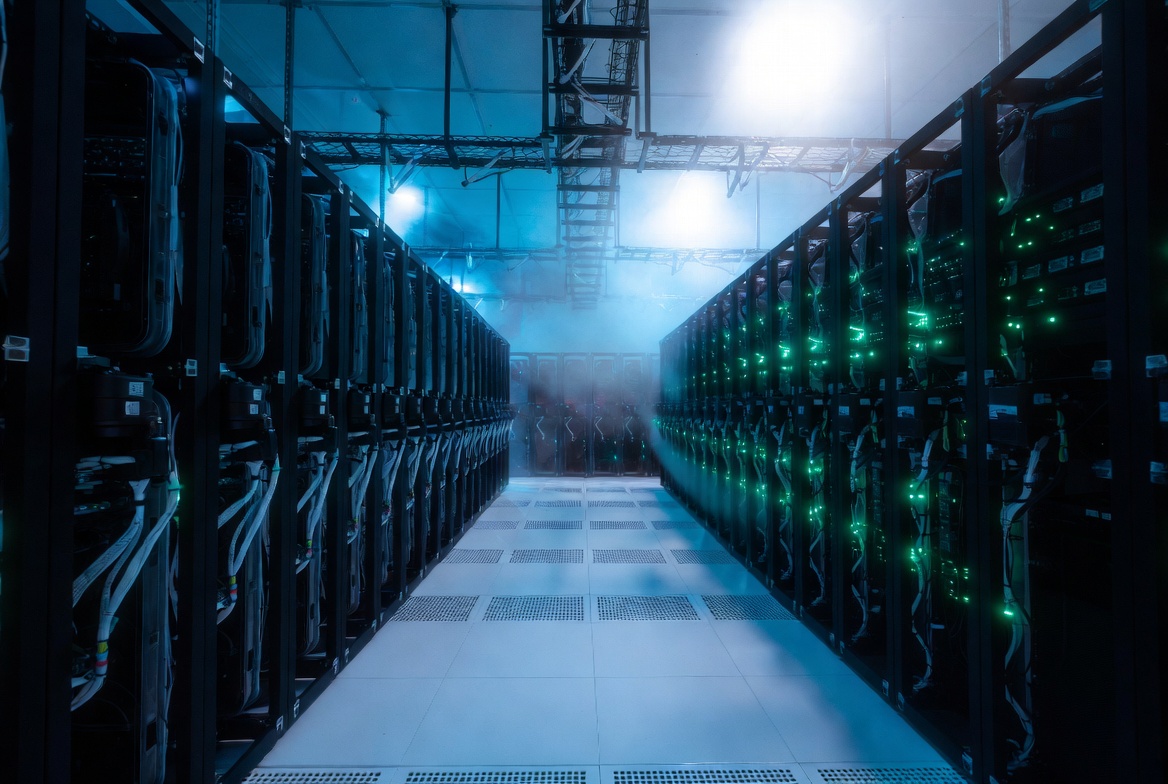
! ممر مراكز البيانات الحديثة مع تأثير تبريد أزرق خفيف من التبخير
جدول المحتويات
- [1. فهم التبريد التبخري في مراكز البيانات: الأساسيات] (#1-فهم-مركز البيانات-التبخير-التبخير-الأساسيات)
- 2. مفاهيم أساسية مبسطة
- [3. دليل خطوة بخطوة: اختيار وتنفيذ نظام رش (#3 دليل خطوة بخطوة لاختيار وتنفيذ نظام الرش)
- [4. نصائح الخبراء والأخطاء الشائعة التي يجب تجنبها] (#4 نصائح الخبراء - الأخطاء الشائعة التي يجب تجنبها)
- [5. الخاتمة والأفكار النهائية](#5-خاتمة--أفكار أخيرة)
- 6. الأسئلة الشائعة (FAQ)
- 1. 1. فهم التبريد التبخيري في مراكز البيانات: الأساسيات
- 1.1. التحول إلى العمليات الأديباتية
- 2. 2. المفاهيم الأساسية مبسطة
- 2.1. تشبيه "الثلاجة الطبيعية"
- 2.2. تكنولوجيا الضباب الجاف: سر سلامة الأجهزة
- 2.3. جدول المقارنة: تبريد CRAC التقليدي مقابل تبريد الرذاذ الجاف بالتبخر
- 3. 3. دليل خطوة بخطوة: اختيار وتنفيذ نظام الرش
- 3.1. الخطوة 1: قيم مناخك وتصميم الاستقبال
- 3.2. الخطوة 2: اختر أجهزة التذرية عالية الدقة
- 3.3. الخطوة 3: تنفيذ معالجة المياه الصارمة (أنظمة RO)
- 3.4. الخطوة 4: حجم النظام ومواصفات الفوهة
- 3.5. جدول المواصفات: اختيار الفوهة عالية الضغط لمراكز البيانات
- 4. 4. نصائح خبراء والمخاطر الشائعة التي يجب تجنبها
- 4.1. المأزق 1: مطاردة PUE مع تجاهل WUE (فعالية استخدام المياه)
- 4.2. Pitfall 2: وضع الفوهة بشكل خاطئ ورسم خريطة تدفق الهواء بشكل خاطئ
- 4.3. المأزق 3: إهمال بيئة المنشأة المحيطة
- 5. 5. الخاتمة والأفكار النهائية
- 6. 6. الأسئلة الشائعة (FAQ)
- 6.1. ملخص سريع للوحة المعلومات
- 6.2. التحول إلى العمليات الأديباتية
- 7. 2. المفاهيم الأساسية مبسطة
- 7.1. تشبيه "الثلاجة الطبيعية"
- 7.2. تكنولوجيا الضباب الجاف: سر سلامة الأجهزة
- 7.3. جدول المقارنة: تبريد CRAC التقليدي مقابل تبريد الرذاذ الجاف بالتبخر
- 8. 3. دليل خطوة بخطوة: اختيار وتنفيذ نظام الرش
- 8.1. الخطوة 1: قيم مناخك وتصميم الاستقبال
- 8.2. الخطوة 2: اختر أجهزة التذرية عالية الدقة
- 8.3. الخطوة 3: تنفيذ معالجة المياه الصارمة (أنظمة RO)
- 8.4. الخطوة 4: حجم النظام ومواصفات الفوهة
- 8.5. جدول المواصفات: اختيار الفوهة عالية الضغط لمراكز البيانات
- 9. 4. نصائح خبراء والمخاطر الشائعة التي يجب تجنبها
- 9.1. المأزق 1: مطاردة PUE مع تجاهل WUE (فعالية استخدام المياه)
- 9.2. Pitfall 2: وضع الفوهة بشكل خاطئ ورسم خريطة تدفق الهواء بشكل خاطئ
- 9.3. المأزق 3: إهمال بيئة المنشأة المحيطة
- 10. 5. الخاتمة والأفكار النهائية
- 11. 6. الأسئلة الشائعة (FAQ)
- 11.1. ملخص سريع للوحة المعلومات
1. فهم التبريد التبخيري في مراكز البيانات: الأساسيات
لفهم سبب سيطرة التبريد التبخيري على النقاشات بين مستشاري أنظمة التبريد في أمريكا الشمالية وأوروبا، يجب أن ننظر إلى المقاييس الأكثر أهمية: PUE (فعالية استهلاك الطاقة) و WUE (فعالية استهلاك المياه).
PUE هو المقياس النهائي لكفاءة استهلاك مركز البيانات. يحسب مقدار الطاقة المخصصة لمعدات الحوسبة مقارنة بالبنية التحتية العلوية مثل التبريد. تعتمد المبردات الميكانيكية التقليدية على ضواغط تستهلك الطاقة، وغالبا ما تؤدي إلى PUE بمقدار 1.5 أو أكثر. وفقا لإرشادات وزارة الطاقة الأمريكية (DOE) وASHRAE (الجمعية الأمريكية لمهندسي التدفئة والتبريد وتكييف الهواء)، يجب أن تهدف مراكز البيانات الحديثة إلى PUE أقرب إلى 1.1 أو 1.2 لتظل اقتصاديا قابلة للجدوى ومتوافقة مع البيئة.
التحول إلى العمليات الأديباتية
عملية أديباتية تخفض درجة حرارة الهواء من خلال تبخر الماء. عندما يتحول الماء من سائل إلى غاز، يمتص كميات هائلة من الطاقة الحرارية (الحرارة) من الهواء المحيط دون الحاجة إلى ضاغط ميكانيكي.
من خلال تطبيق التبريد التبخيري عند مستوى مدخل الهواء، يمكن للمنشآت تبريد الهواء المحيط مسبقا قبل وصوله حتى إلى رفوف الخوادم أو نظام التكييف التقليدي. يقلل هذا النهج الهجين بشكل كبير من الحمل على المبردات الميكانيكية، مما يؤدي إلى انخفاض فوري ودراماتيكي في استهلاك الكهرباء.
2. المفاهيم الأساسية مبسطة
عند مناقشة المياه ومراكز البيانات في نفس الجملة، يكون رد فعل معظم مهندسي تكنولوجيا المعلومات هو الذعر. الماء والإلكترونيات عالية الجهد لا يختلطان. ومع ذلك، التبريد التبخري الحديث لا يعني رش الماء على خوادمك. دعونا نحلل المصطلحات باستخدام الإنجليزية البسيطة.
تشبيه "الثلاجة الطبيعية"
فكر في وحدات CRAC التقليدية مثل مكيف هواء منزلي قياسي. يستخدمون مبردات كيميائية ومضخات وضواغط لإجبار الهواء على التبريد — طريقة تعتمد على القوة الغاشمة واستهلاك الطاقة الكثيفة.
أما التبريد بالتبخر، فهو مثل الخروج من مسبح في يوم حار ومنسيم. تشعر على الفور بقشعريرة. لماذا؟ لأن الماء الذي يتبخر من جلدك يسحب الحرارة معه. الأنظمة الأديباتية تفعل هذا بالضبط مع الهواء الساخن الذي يدخل مركز بياناتك. إنها ثلاجة طبيعية وديناميكية حرارية.
تكنولوجيا الضباب الجاف: سر سلامة الأجهزة
المفتاح لجعل هذا ينجح في بيئة مهمة حرجة هو الذرة على مستوى الميكرون. باستخدام مضخات عالية الضغط المتخصصة، يتم دفع الماء عبر فتحات فوهة مجهرية. هذا يقسم الماء إلى قطرات صغيرة — عادة أقل من 10 ميكرون في القطر (أرق من شعرة الإنسان).
ونظرا لأن هذه القطرات صغيرة جدا، فهي تمتلك نسبة مساحة سطح إلى حجم ضخمة. تتبخر بسرعة إلى غاز تقريبا فور ملامستها للهواء الدافئ. هذا ما يعرف باسم الضباب الجاف. يخفض درجة حرارة الهواء لكنه لا يترك أي رطوبة متبقية على الأسطح، مما يسمح لك بتبريد المساحات الصناعية الكبيرة دون معدات ترطيب(cool-large-industrial-spaces-without-wetting-equipment/22.html). خوادمك تبقى جافة تماما، لكن الهواء الذي تتنفسه أبرد بكثير.
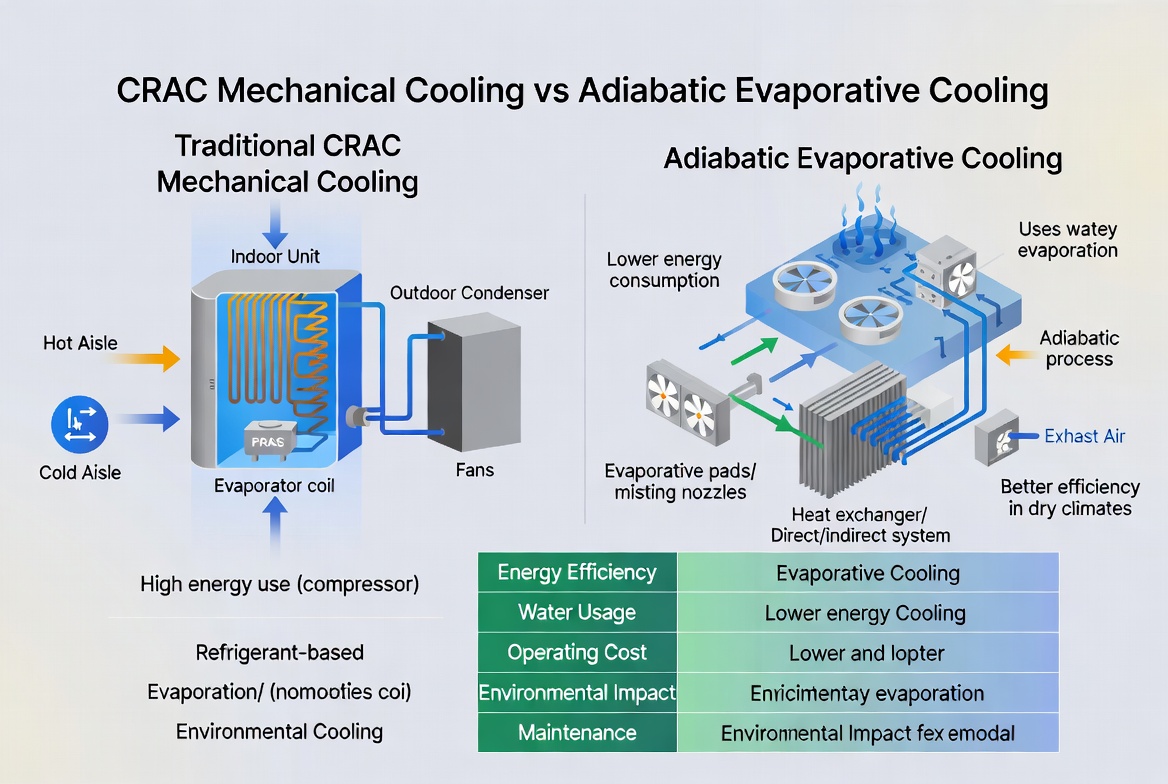
جدول المقارنة: تبريد CRAC التقليدي مقابل تبريد الرذاذ الجاف بالتبخر
| الميزة / المقياس | الميكانيكية التقليدية (CRAC) | الضباب الجاف التبخري (الأديباتية) |
|---|---|---|
| آلية التبريد | مبردات كيميائية وضواغط | التبخر الطبيعي للمياه |
| استهلاك الطاقة | عالي جدا (محرك عمليات رئيسي) | منخفض جدا (يشغل فقط مضخات الضغط العالي) |
| تأثير PUE نموذجي | يحافظ على ارتفاع PUE نسبيا (>1.4) | يمكنني خفض PUE إلى <1.2 |
| سلامة الأجهزة | الآمن (حلقة مغلقة) | آمن (تبخر سريع / ضباب جاف) |
| تعقيد الصيانة | عالي المستوى (يتطلب فنيي تكييف وتكييف متخصصين) | منخفض (معياري، سهل التنظيف/استبدال الفوهات) |
| الأثر البيئي | البصمة الكربونية العالية | صديق للبيئة (يساعد في تحقيق صافي الصفر) |
! مخطط يقارن بين التبريد الميكانيكي التقليدي بنظام CRAC والتبريد التبخري الأديباتيكي
3. دليل خطوة بخطوة: اختيار وتنفيذ نظام الرش
يتطلب تجهيز مركز البيانات بالتبريد التبخري دقة. لا يمكنك ببساطة تركيب رشاشات زراعية وتأمل في الأفضل. إليك إطار عمل خطوة بخطوة لتقييم ودمج نظام رذاذ عالي الضغط في منشأتك.
الخطوة 1: قيم مناخك وتصميم الاستقبال
يعمل التبريد الأديباتي بشكل استثنائي في المناخات الحارة والجافة (مثل جنوب غرب أمريكا أو أجزاء من جنوب أوروبا)، حيث يمكن للهواء امتصاص كمية كبيرة من بخار الماء. ومع ذلك، حتى في المناخات الرطبة، يمكن استخدام الرذاذ الجاف بفعالية خلال ساعات الذروة لتقليل الأحمال الحرارية العلوية. قيم مكان مداخل الهواء النقي أو المبادلات الحرارية الخارجية.
الخطوة 2: اختر أجهزة التذرية عالية الدقة
لضمان تأثير "الضباب الجاف"، يجب عليك الاستثمار في معدات صناعية الجودة. ابحث عن أنظمة تعمل عند 1000 رطل لكل بوصة مربعة (70 بار) أو أعلى. الضغط المنخفض يؤدي إلى قطرات أكبر، مما يؤدي إلى التكثف وتجمع المياه. للتعرف على الأجهزة المطلوبة، راجع حلول الترطيب الصناعية عالية الدقة وتبريد الرذاذ المتقدمة (high-precision-industrial-humidification-mist-cooling-solutions/9.html) للتأكد من اختيارك للفوهات مصممة لأداء صفر التسقط.
الخطوة 3: تنفيذ معالجة المياه الصارمة (أنظمة RO)
تبخير ماء الصنبور سيترك خلفه غبار الكالسيوم والمغنيسيوم (على المقياس). مع مرور الوقت، سيؤدي هذا الغبار الأبيض إلى انسداد فلاتر مدخل الخادم وتدمير الأقراص الصلبة. يجب عليك ربط نظام الرش الخاص بك بنظام تنقية المياه بنظام التناضح العكسي (RO). يضمن ماء التناوب التناضح من أنه عندما تتبخر القطرة، لا يبقى أي بقايا معدنية في تيار الهواء.
الخطوة 4: حجم النظام ومواصفات الفوهة
اختيار الفوهة المناسبة أمر حاسم للتحكم في حجم التبريد ومعدل التبخر. استخدم جدول المواصفات أدناه لتوجيه مناقشاتك حول المشتريات.
جدول المواصفات: اختيار الفوهة عالية الضغط لمراكز البيانات
| حجم فتحة الفوهة | ضغط التشغيل | حجم القطرة (ميكرون) | معدل التدفق | أفضل حالة استخدام في مراكز البيانات |
|---|---|---|---|---|
| 0.10 مم | 1000 رطل لكل بوصة مربعة / 70 بار | 1 - 5 ميكرومتر | ~0.02 لتر/دقيقة | التبريد المسبق المباشر بالهواء الداخلي (أسرع تبخر) |
| 0.15 مم | 1000 رطل لكل بوصة مربعة / 70 بار | 5 - 10 ميكرومتر | ~0.04 لتر/دقيقة | مبردات التبخر غير المباشر / تبريد مسبق لمبادل الحرارة |
| 0.20 مم | 1000 رطل لكل بوصة مربعة / 70 بار | 10 - 15 ميكرومتر | ~0.08 لتر/دقيقة | تبريد الساحة الخارجية (حجم عالي، الهواء الطلق) |
| 0.30 مم+ | متغير | > 20 ميكرومتر | >0.10 لتر/دقيقة | غير موصى به في بيئات تقنية المعلومات الحساسة (خطر التبول) |
4. نصائح خبراء والمخاطر الشائعة التي يجب تجنبها
حتى مع أفضل الأجهزة، يمكن لأخطاء التنفيذ أن تعرقل العائد على الاستثمار الخاص بك. استنادا إلى ملاحظات مديري المنشآت والمهندسين الميدانيين، إليك أكثر المخاطر شيوعا التي يجب تجنبها عند تطبيق التبريد الأدياباتي.
المأزق 1: مطاردة PUE مع تجاهل WUE (فعالية استخدام المياه)
بينما يخفض التبريد التبخري فاتورة الكهرباء بشكل كبير، إلا أنه يستهلك الماء. في المناطق التي تواجه جفافا، يمكن أن يؤثر استهلاك المياه العالي على درجات ESG الخاصة بك. الإصلاح: تنفيذ حساسات ذكية لا تفعل نظام الرذاذ إلا عندما تتجاوز درجات الحرارة المحيطة عتبة معينة، بدلا من تشغيله على مدار الساعة.
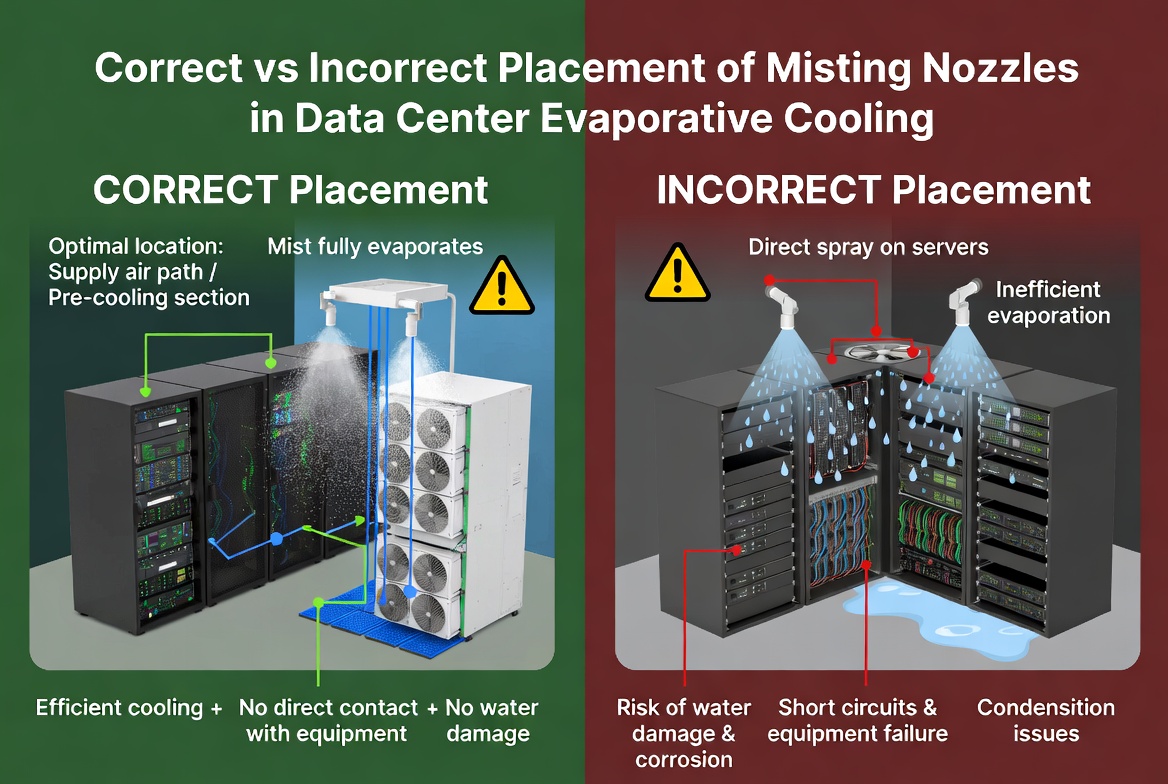
Pitfall 2: وضع الفوهة بشكل خاطئ ورسم خريطة تدفق الهواء بشكل خاطئ
خطأ شائع هو وضع فوهات الرش بالقرب جدا من فلاتر وحدة معالجة الهواء (AHU) أو مباشرة داخل غرفة الخادم دون المسافة المناسبة للتبخر. الإصلاح: احسب دائما "مسافة التبخر." عند 1000 رطل لكل بوصة مربعة مع فوهات 0.10 مم، تحتاج القطرات إلى حوالي 1 إلى 1.5 متر من تدفق الهواء غير المعوق لتتبخر فجأة تماما. لا ترش مباشرة على حاجز مادي.
! التوزيع الصحيح مقابل غير الصحيح لفوهات الرش في نظام تبريد مركز البيانات
المأزق 3: إهمال بيئة المنشأة المحيطة
غالبا ما تكون مراكز البيانات منشآت ضخمة تحتوي على ساحات تبريد خارجية، ومناطق توليد احتياطية، ومناطق لإدارة نفايات المرافق. تحسين كفاءة مبادلات الحرارة الخارجية قد يعيقك العوامل البيئية.
- الغبار: إذا كانت منشأتك في منطقة جافة أو صناعية، يمكن للغبار المحمول في الهواء أن يسد زعانف المبادل الحراري الخارجية، مما يقلل الكفاءة. استخدام الرذاذ المستهدف لمكافحة غبار المستودعات والمرافق(warehouse-dust-control-cut-costs-with-water-mist-nozzles/12.html) حول المحيط يمكن أن يحمي أصول التكييف والتدفئة والتهوية وتكييف الهواء الخاصة بك.
- الروائح والامتثال: بالنسبة لمراكز البيانات فائقة النطاق الواقعة بالقرب من النفايات البلدية أو مناطق الاستخدام المختلط، فإن الحفاظ على علاقات مجتمعية جيدة هو جزء من ESG. إذا كانت عمليات منشأتك تولد مشاكل محلية، فإن دمج الأنظمة القادرة على [إزالة الروائح من خلال إزالة الروائح من خلال إزالة الروائح المتذرية] (إزالة الروائح عند محطات نقل النفايات-الأساسيات-لأنظمة إزالة الروائح المتذرية/33.html) يضمن الامتثال البيئي الكامل في كامل الحرم الجامعي، وليس فقط داخل غرفة الخوادم.
5. الخاتمة والأفكار النهائية
لم يعد الانتقال إلى التبريد التبخيري مجرد مفهوم مستقبلي لشركات التدرج الفائق مثل جوجل أو ميتا؛ إنه حل معياري وسهل الوصول للغاية لمراكز البيانات بجميع الأحجام. من خلال الاستفادة من تقنية الرذاذ الجاف عالي الضغط، يمكن لمديري المنشآت تقليل اعتمادهم على الضواغط الميكانيكية بشكل كبير، وتقليل PUE، وتحقيق خطوات كبيرة نحو أهداف الاستدامة الصفرية.
يكمن مفتاح النجاح في الدقة: استخدام تبذرة أقل من 10 ميكرون، ومعالجة مياهك بالتناضح العكسي، ورسم خريطة دقيقة لتدفق الهواء لضمان وصول صفر رطوبة إلى البنية التحتية الحيوية لتقنية المعلومات لديك.
6. الأسئلة الشائعة (FAQ)
السؤال 1: هل التبريد التبخيري آمن لخوادم مراكز البيانات؟ ج: نعم، عند التنفيذ بشكل صحيح. تستخدم الأنظمة الحديثة عملية تبخير الرذاذ الجاف عالي الضغط (قطرات أقل من 10 ميكرون) التي تتبخر فورا عند ملامستها للهواء الدافئ. هذا يترك صفر رطوبة متبقية على أسطح الخوادم، مما يحافظ على جفاف الأجهزة تماما مع خفض درجة حرارة الهواء.
السؤال 2: ما هو انخفاض PUE الذي يمكن أن أتوقعه من التبريد التبخري؟ ج: عادة ما تحقق المرافق تخفيلات PUE من 1.5+ إلى 1.1-1.2. من خلال تبريد الهواء المدخل مسبقا، ينخفض حمل المبرد الميكانيكي بشكل كبير، مما يقلل من أكبر مشغل عمليات التشغيل في مراكز البيانات التقليدية.
س3: ما هو ضغط الماء وحجم الفوهة التي يجب أن أحددها؟ ج: استخدم 1000 PSI (70 بار) على الأقل مع فوهات فتحة من 0.10 مم إلى 0.15 مم. ينتج عن ذلك قطرات تتراوح بين 1 إلى 10 ميكرون مع تبخر سريع مثالي. الضغط المنخفض أو الفوهات الأكبر ينتج قطرات أكبر تخاطر بالتكثف ورطوبة المعدات.
س4: هل أحتاج إلى معالجة مياه لأنظمة الرش؟ ج: بالتأكيد. التنقية بالتناضح العكسي (RO) أمر إلزامي. يترك ماء الصنبور غير المعالج بقايا قشور الكالسيوم والمغنيسيوم عند التبخر، مما يسد فلاتر السحب في الخادم وقد يضر الأقراص الصلبة مع مرور الوقت.
س5: كم من مسافة التبخر المطلوبة قبل وصول الهواء إلى الخوادم؟ ج: عند 1000 رطل لكل بوصة مربعة مع فوهات 0.10 مم، يسمح بتدفق هواء غير معوق من 1 إلى 1.5 متر للتبخر الكامل بالفلاش. لا ترش الرذاذ مباشرة على الحواجز الفيزيائية أو الفلاتر أو شبكات سحب الخوادم.
س6: هل يعمل التبريد التبخري في المناخات الرطبة؟ ج: نعم، لكن الفعالية تختلف. الضباب الجاف يؤدي بشكل أفضل في المناطق الحارة والجافة. في المناخات الرطبة، استخدمه خلال ساعات الذروة لتقليل الأحمال الحرارية. الحساسات الذكية التي تفعل الرذاذ فقط فوق حدود درجة الحرارة تحسن استهلاك الطاقة والماء.
ملخص سريع للوحة المعلومات
| الفئة | النقاط الرئيسية | الخطوة التالية القابلة للتنفيذ |
|---|---|---|
| تأثير الطاقة | التبريد الأديباتيكي يقلل من عمليات التشغيل عن طريق تقليل حمل الضاغط. | قم بتدقيق PUE الحالي وحساب التوفير المحتمل من تقليل حمل التبريد بنسبة 20٪. |
| التكنولوجيا | تعتمد "الضباب الجاف" على مضخات الضغط العالي (1000 PSI) والفوهات الدقيقة. | حدد فوهات الفولاذ المقاوم للصدأ 0.10 مم أو 0.15 مم لتطبيقات مراكز البيانات. |
| السلامة | تتبخر قطرات أقل من 10 ميكرون فورا، مما يترك الخوادم جافة. | تأكد من مسافة تبخير لا تقل عن 1 إلى 1.5 متر في تصميم مدخل AHU الخاص بك. |
| الصيانة | ماء التناوب العكسي غير قابل للتفاوض لمنع تراكم التراكم المعدني. | ضع نظام التناضح العكسي التجاري ضمن ميزانية التحديث الإجمالية الخاصة بك. |
هل أنت مستعد لتحسين مركز بياناتك؟ توقف عن السماح للتبريد الميكانيكي غير الفعال باستنزاف ميزانية تشغيلك. استشر خبير تبريد ضخائف عالي الضغط اليوم لتصميم نظام تبريد أديباتيك مخصص وقابل للتوسع يحمي أجهزتك وأرباحك.## 1. فهم التبريد التبخيري في مراكز البيانات: الأساسيات
لفهم سبب سيطرة التبريد التبخيري على النقاشات بين مستشاري أنظمة التبريد في أمريكا الشمالية وأوروبا، يجب أن ننظر إلى المقاييس الأكثر أهمية: PUE (فعالية استهلاك الطاقة) و WUE (فعالية استهلاك المياه).
PUE هو المقياس النهائي لكفاءة استهلاك مركز البيانات. يحسب مقدار الطاقة المخصصة لمعدات الحوسبة مقارنة بالبنية التحتية العلوية مثل التبريد. تعتمد المبردات الميكانيكية التقليدية على ضواغط تستهلك الطاقة، وغالبا ما تؤدي إلى PUE بمقدار 1.5 أو أكثر. وفقا لإرشادات وزارة الطاقة الأمريكية (DOE) وASHRAE (الجمعية الأمريكية لمهندسي التدفئة والتبريد وتكييف الهواء)، يجب أن تهدف مراكز البيانات الحديثة إلى PUE أقرب إلى 1.1 أو 1.2 لتظل اقتصاديا قابلة للجدوى ومتوافقة مع البيئة.
التحول إلى العمليات الأديباتية
عملية أديباتية تخفض درجة حرارة الهواء من خلال تبخر الماء. عندما يتحول الماء من سائل إلى غاز، يمتص كميات هائلة من الطاقة الحرارية (الحرارة) من الهواء المحيط دون الحاجة إلى ضاغط ميكانيكي.
من خلال تطبيق التبريد التبخيري عند مستوى مدخل الهواء، يمكن للمنشآت تبريد الهواء المحيط مسبقا قبل وصوله حتى إلى رفوف الخوادم أو نظام التكييف التقليدي. يقلل هذا النهج الهجين بشكل كبير من الحمل على المبردات الميكانيكية، مما يؤدي إلى انخفاض فوري ودراماتيكي في استهلاك الكهرباء.
2. المفاهيم الأساسية مبسطة
عند مناقشة المياه ومراكز البيانات في نفس الجملة، يكون رد فعل معظم مهندسي تكنولوجيا المعلومات هو الذعر. الماء والإلكترونيات عالية الجهد لا يختلطان. ومع ذلك، التبريد التبخري الحديث لا يعني رش الماء على خوادمك. دعونا نحلل المصطلحات باستخدام الإنجليزية البسيطة.
تشبيه "الثلاجة الطبيعية"
فكر في وحدات CRAC التقليدية مثل مكيف هواء منزلي قياسي. يستخدمون مبردات كيميائية ومضخات وضواغط لإجبار الهواء على التبريد — طريقة تعتمد على القوة الغاشمة واستهلاك الطاقة الكثيفة.
أما التبريد بالتبخر، فهو مثل الخروج من مسبح في يوم حار ومنسيم. تشعر على الفور بقشعريرة. لماذا؟ لأن الماء الذي يتبخر من جلدك يسحب الحرارة معه. الأنظمة الأديباتية تفعل هذا بالضبط مع الهواء الساخن الذي يدخل مركز بياناتك. إنها ثلاجة طبيعية وديناميكية حرارية.
تكنولوجيا الضباب الجاف: سر سلامة الأجهزة
المفتاح لجعل هذا ينجح في بيئة مهمة حرجة هو الذرة على مستوى الميكرون. باستخدام مضخات عالية الضغط المتخصصة، يتم دفع الماء عبر فتحات فوهة مجهرية. هذا يقسم الماء إلى قطرات صغيرة — عادة أقل من 10 ميكرون في القطر (أرق من شعرة الإنسان).
ونظرا لأن هذه القطرات صغيرة جدا، فهي تمتلك نسبة مساحة سطح إلى حجم ضخمة. تتبخر بسرعة إلى غاز تقريبا فور ملامستها للهواء الدافئ. هذا ما يعرف باسم الضباب الجاف. يخفض درجة حرارة الهواء لكنه لا يترك أي رطوبة متبقية على الأسطح، مما يسمح لك بتبريد المساحات الصناعية الكبيرة دون معدات ترطيب(cool-large-industrial-spaces-without-wetting-equipment/22.html). خوادمك تبقى جافة تماما، لكن الهواء الذي تتنفسه أبرد بكثير.
جدول المقارنة: تبريد CRAC التقليدي مقابل تبريد الرذاذ الجاف بالتبخر
| الميزة / المقياس | الميكانيكية التقليدية (CRAC) | الضباب الجاف التبخري (الأديباتية) |
|---|---|---|
| آلية التبريد | مبردات كيميائية وضواغط | التبخر الطبيعي للمياه |
| استهلاك الطاقة | عالي جدا (محرك عمليات رئيسي) | منخفض جدا (يشغل فقط مضخات الضغط العالي) |
| تأثير PUE نموذجي | يحافظ على ارتفاع PUE نسبيا (>1.4) | يمكنني خفض PUE إلى <1.2 |
| سلامة الأجهزة | الآمن (حلقة مغلقة) | آمن (تبخر سريع / ضباب جاف) |
| تعقيد الصيانة | عالي المستوى (يتطلب فنيي تكييف وتكييف متخصصين) | منخفض (معياري، سهل التنظيف/استبدال الفوهات) |
| الأثر البيئي | البصمة الكربونية العالية | صديق للبيئة (يساعد في تحقيق صافي الصفر) |
! مخطط يقارن بين التبريد الميكانيكي التقليدي بنظام CRAC والتبريد التبخري الأديباتيكي
3. دليل خطوة بخطوة: اختيار وتنفيذ نظام الرش
يتطلب تجهيز مركز البيانات بالتبريد التبخري دقة. لا يمكنك ببساطة تركيب رشاشات زراعية وتأمل في الأفضل. إليك إطار عمل خطوة بخطوة لتقييم ودمج نظام رذاذ عالي الضغط في منشأتك.
الخطوة 1: قيم مناخك وتصميم الاستقبال
يعمل التبريد الأديباتي بشكل استثنائي في المناخات الحارة والجافة (مثل جنوب غرب أمريكا أو أجزاء من جنوب أوروبا)، حيث يمكن للهواء امتصاص كمية كبيرة من بخار الماء. ومع ذلك، حتى في المناخات الرطبة، يمكن استخدام الرذاذ الجاف بفعالية خلال ساعات الذروة لتقليل الأحمال الحرارية العلوية. قيم مكان مداخل الهواء النقي أو المبادلات الحرارية الخارجية.
الخطوة 2: اختر أجهزة التذرية عالية الدقة
لضمان تأثير "الضباب الجاف"، يجب عليك الاستثمار في معدات صناعية الجودة. ابحث عن أنظمة تعمل عند 1000 رطل لكل بوصة مربعة (70 بار) أو أعلى. الضغط المنخفض يؤدي إلى قطرات أكبر، مما يؤدي إلى التكثف وتجمع المياه. للتعرف على الأجهزة المطلوبة، راجع حلول الترطيب الصناعية عالية الدقة وتبريد الرذاذ المتقدمة (high-precision-industrial-humidification-mist-cooling-solutions/9.html) للتأكد من اختيارك للفوهات مصممة لأداء صفر التسقط.
الخطوة 3: تنفيذ معالجة المياه الصارمة (أنظمة RO)
تبخير ماء الصنبور سيترك خلفه غبار الكالسيوم والمغنيسيوم (على المقياس). مع مرور الوقت، سيؤدي هذا الغبار الأبيض إلى انسداد فلاتر مدخل الخادم وتدمير الأقراص الصلبة. يجب عليك ربط نظام الرش الخاص بك بنظام تنقية المياه بنظام التناضح العكسي (RO). يضمن ماء التناوب التناضح من أنه عندما تتبخر القطرة، لا يبقى أي بقايا معدنية في تيار الهواء.
الخطوة 4: حجم النظام ومواصفات الفوهة
اختيار الفوهة المناسبة أمر حاسم للتحكم في حجم التبريد ومعدل التبخر. استخدم جدول المواصفات أدناه لتوجيه مناقشاتك حول المشتريات.
جدول المواصفات: اختيار الفوهة عالية الضغط لمراكز البيانات
| حجم فتحة الفوهة | ضغط التشغيل | حجم القطرة (ميكرون) | معدل التدفق | أفضل حالة استخدام في مراكز البيانات |
|---|---|---|---|---|
| 0.10 مم | 1000 رطل لكل بوصة مربعة / 70 بار | 1 - 5 ميكرومتر | ~0.02 لتر/دقيقة | التبريد المسبق المباشر بالهواء الداخلي (أسرع تبخر) |
| 0.15 مم | 1000 رطل لكل بوصة مربعة / 70 بار | 5 - 10 ميكرومتر | ~0.04 لتر/دقيقة | مبردات التبخر غير المباشر / تبريد مسبق لمبادل الحرارة |
| 0.20 مم | 1000 رطل لكل بوصة مربعة / 70 بار | 10 - 15 ميكرومتر | ~0.08 لتر/دقيقة | تبريد الساحة الخارجية (حجم عالي، الهواء الطلق) |
| 0.30 مم+ | متغير | > 20 ميكرومتر | >0.10 لتر/دقيقة | غير موصى به في بيئات تقنية المعلومات الحساسة (خطر التبول) |
4. نصائح خبراء والمخاطر الشائعة التي يجب تجنبها
حتى مع أفضل الأجهزة، يمكن لأخطاء التنفيذ أن تعرقل العائد على الاستثمار الخاص بك. استنادا إلى ملاحظات مديري المنشآت والمهندسين الميدانيين، إليك أكثر المخاطر شيوعا التي يجب تجنبها عند تطبيق التبريد الأدياباتي.
المأزق 1: مطاردة PUE مع تجاهل WUE (فعالية استخدام المياه)
بينما يخفض التبريد التبخري فاتورة الكهرباء بشكل كبير، إلا أنه يستهلك الماء. في المناطق التي تواجه جفافا، يمكن أن يؤثر استهلاك المياه العالي على درجات ESG الخاصة بك. الإصلاح: تنفيذ حساسات ذكية لا تفعل نظام الرذاذ إلا عندما تتجاوز درجات الحرارة المحيطة عتبة معينة، بدلا من تشغيله على مدار الساعة.
Pitfall 2: وضع الفوهة بشكل خاطئ ورسم خريطة تدفق الهواء بشكل خاطئ
خطأ شائع هو وضع فوهات الرش بالقرب جدا من فلاتر وحدة معالجة الهواء (AHU) أو مباشرة داخل غرفة الخادم دون المسافة المناسبة للتبخر. الإصلاح: احسب دائما "مسافة التبخر." عند 1000 رطل لكل بوصة مربعة مع فوهات 0.10 مم، تحتاج القطرات إلى حوالي 1 إلى 1.5 متر من تدفق الهواء غير المعوق لتتبخر فجأة تماما. لا ترش مباشرة على حاجز مادي.
! التوزيع الصحيح مقابل غير الصحيح لفوهات الرش في نظام تبريد مركز البيانات
المأزق 3: إهمال بيئة المنشأة المحيطة
غالبا ما تكون مراكز البيانات منشآت ضخمة تحتوي على ساحات تبريد خارجية، ومناطق توليد احتياطية، ومناطق لإدارة نفايات المرافق. تحسين كفاءة مبادلات الحرارة الخارجية قد يعيقك العوامل البيئية.
- الغبار: إذا كانت منشأتك في منطقة جافة أو صناعية، يمكن للغبار المحمول في الهواء أن يسد زعانف المبادل الحراري الخارجية، مما يقلل الكفاءة. استخدام الرذاذ المستهدف لمكافحة غبار المستودعات والمرافق(warehouse-dust-control-cut-costs-with-water-mist-nozzles/12.html) حول المحيط يمكن أن يحمي أصول التكييف والتدفئة والتهوية وتكييف الهواء الخاصة بك.
- الروائح والامتثال: بالنسبة لمراكز البيانات فائقة النطاق الواقعة بالقرب من النفايات البلدية أو مناطق الاستخدام المختلط، فإن الحفاظ على علاقات مجتمعية جيدة هو جزء من ESG. إذا كانت عمليات منشأتك تولد مشاكل محلية، فإن دمج الأنظمة القادرة على [إزالة الروائح من خلال إزالة الروائح من خلال إزالة الروائح المتذرية] (إزالة الروائح عند محطات نقل النفايات-الأساسيات-لأنظمة إزالة الروائح المتذرية/33.html) يضمن الامتثال البيئي الكامل في كامل الحرم الجامعي، وليس فقط داخل غرفة الخوادم.
5. الخاتمة والأفكار النهائية
لم يعد الانتقال إلى التبريد التبخيري مجرد مفهوم مستقبلي لشركات التدرج الفائق مثل جوجل أو ميتا؛ إنه حل معياري وسهل الوصول للغاية لمراكز البيانات بجميع الأحجام. من خلال الاستفادة من تقنية الرذاذ الجاف عالي الضغط، يمكن لمديري المنشآت تقليل اعتمادهم على الضواغط الميكانيكية بشكل كبير، وتقليل PUE، وتحقيق خطوات كبيرة نحو أهداف الاستدامة الصفرية.
يكمن مفتاح النجاح في الدقة: استخدام تبذرة أقل من 10 ميكرون، ومعالجة مياهك بالتناضح العكسي، ورسم خريطة دقيقة لتدفق الهواء لضمان وصول صفر رطوبة إلى البنية التحتية الحيوية لتقنية المعلومات لديك.
6. الأسئلة الشائعة (FAQ)
السؤال 1: هل التبريد التبخيري آمن لخوادم مراكز البيانات؟ ج: نعم، عند التنفيذ بشكل صحيح. تستخدم الأنظمة الحديثة عملية تبخير الرذاذ الجاف عالي الضغط (قطرات أقل من 10 ميكرون) التي تتبخر فورا عند ملامستها للهواء الدافئ. هذا يترك صفر رطوبة متبقية على أسطح الخوادم، مما يحافظ على جفاف الأجهزة تماما مع خفض درجة حرارة الهواء.
السؤال 2: ما هو انخفاض PUE الذي يمكن أن أتوقعه من التبريد التبخري؟ ج: عادة ما تحقق المرافق تخفيلات PUE من 1.5+ إلى 1.1-1.2. من خلال تبريد الهواء المدخل مسبقا، ينخفض حمل المبرد الميكانيكي بشكل كبير، مما يقلل من أكبر مشغل عمليات التشغيل في مراكز البيانات التقليدية.
س3: ما هو ضغط الماء وحجم الفوهة التي يجب أن أحددها؟ ج: استخدم 1000 PSI (70 بار) على الأقل مع فوهات فتحة من 0.10 مم إلى 0.15 مم. ينتج عن ذلك قطرات تتراوح بين 1 إلى 10 ميكرون مع تبخر سريع مثالي. الضغط المنخفض أو الفوهات الأكبر ينتج قطرات أكبر تخاطر بالتكثف ورطوبة المعدات.
س4: هل أحتاج إلى معالجة مياه لأنظمة الرش؟ ج: بالتأكيد. التنقية بالتناضح العكسي (RO) أمر إلزامي. يترك ماء الصنبور غير المعالج بقايا قشور الكالسيوم والمغنيسيوم عند التبخر، مما يسد فلاتر السحب في الخادم وقد يضر الأقراص الصلبة مع مرور الوقت.
س5: كم من مسافة التبخر المطلوبة قبل وصول الهواء إلى الخوادم؟ ج: عند 1000 رطل لكل بوصة مربعة مع فوهات 0.10 مم، يسمح بتدفق هواء غير معوق من 1 إلى 1.5 متر للتبخر الكامل بالفلاش. لا ترش الرذاذ مباشرة على الحواجز الفيزيائية أو الفلاتر أو شبكات سحب الخوادم.
س6: هل يعمل التبريد التبخري في المناخات الرطبة؟ ج: نعم، لكن الفعالية تختلف. الضباب الجاف يؤدي بشكل أفضل في المناطق الحارة والجافة. في المناخات الرطبة، استخدمه خلال ساعات الذروة لتقليل الأحمال الحرارية. الحساسات الذكية التي تفعل الرذاذ فقط فوق حدود درجة الحرارة تحسن استهلاك الطاقة والماء.
ملخص سريع للوحة المعلومات
| الفئة | النقاط الرئيسية | الخطوة التالية القابلة للتنفيذ |
|---|---|---|
| تأثير الطاقة | التبريد الأديباتيكي يقلل من عمليات التشغيل عن طريق تقليل حمل الضاغط. | قم بتدقيق PUE الحالي وحساب التوفير المحتمل من تقليل حمل التبريد بنسبة 20٪. |
| التكنولوجيا | تعتمد "الضباب الجاف" على مضخات الضغط العالي (1000 PSI) والفوهات الدقيقة. | حدد فوهات الفولاذ المقاوم للصدأ 0.10 مم أو 0.15 مم لتطبيقات مراكز البيانات. |
| السلامة | تتبخر قطرات أقل من 10 ميكرون فورا، مما يترك الخوادم جافة. | تأكد من مسافة تبخير لا تقل عن 1 إلى 1.5 متر في تصميم مدخل AHU الخاص بك. |
| الصيانة | ماء التناوب العكسي غير قابل للتفاوض لمنع تراكم التراكم المعدني. | ضع نظام التناضح العكسي التجاري ضمن ميزانية التحديث الإجمالية الخاصة بك. |
هل أنت مستعد لتحسين مركز بياناتك؟ توقف عن السماح للتبريد الميكانيكي غير الفعال باستنزاف ميزانية تشغيلك. استشر خبير تبريد ضخائف عالي الضغط اليوم لتصميم نظام تبريد أديباتيك مخصص وقابل للتوسع يحمي أجهزتك وأرباحك.