



الدليل النهائي ل RBSC: لماذا يعتبر كربيد السيليكون المرتبط بالتفاعل هو المعيار الصناعي لفوهات FGD
كل ساعة من التوقف غير المجدول في محطة طاقة حديثة يمكن أن تستنزف عشرات الآلاف من الدولارات من الأرباح. بالنسبة للمهندسين الكيميائيين ومشرفي الصيانة الذين يديرون أنظمة إزالة الكبريت من غاز المداخن (FGD)، نادرا ما يكون السبب وراء هذه الانقطاعات الكارثية هو فشل هيكلي ضخم. غالبا ما يكون مكونا بقيمة 200 دولار: فوهة تنظيف مسدودة أو متآكلة.
عندما تضخ مخطب الحجر الجيري شديد الكشط والتآكل عند ضغوط عالية، لا يمكن للمعادن القياسية والسيراميك الأساسي أن تبقى ببساطة. هنا يأتي الدور RBSC (كربيد السيليكون المرتبط بالتفاعل). في هذا الدليل الشامل، سنحلل علم المواد وراء RBSC، ونستكشف لماذا تحل قدراته الهندسية الفريدة كابوس انسداد محلول الحجر الجيري، ونقدم رؤى مبنية على البيانات لمساعدتك على تعظيم عائد الاستثمار التشغيلي. سواء كنت تقوم بترقية جهاز تنظيف موجود أو تصمم نظام تحكم انبعاثات جديد، فإليك بالضبط سبب كون RBSC المعيار الصناعي الذي لا جدال فيه.
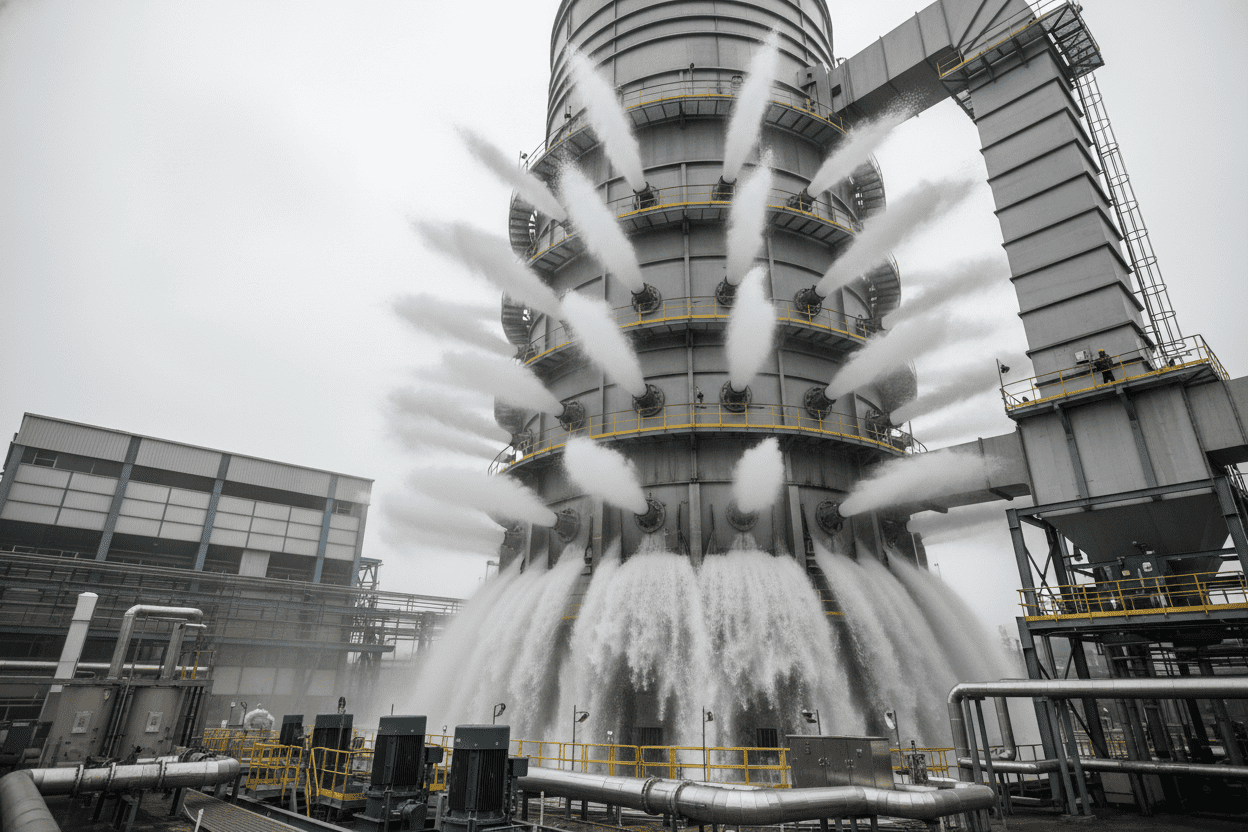
! نظام تنظير صناعي FGD مع فوهات RBSC ترش خليط الحجر الجيري
- 1. 1. فهم RBSC في أنظمة FGD: الأساسيات
- 1.1. تحدي الهندسة
- 2. 2. مفاهيم أساسية مبسطة: علم RBSC
- 2.1. تشبيه "درع مضاد للرصاص"
- 2.2. مقاومة الصدمات الحرارية: تشبيه "الزجاج الساخن"
- 2.3. جدول مقارنة المواد: RBSC مقابل البدائل
- 3. 3. دليل خطوة بخطوة: حل كابوس انسداد سائل الحجر الجيري
- 3.1. السلاح السري: الممر الحر الكبير
- 3.2. 3.1 السيناريو A: تحديد الفوهات لأبراج التنظيف عالية الاحتكاك
- 3.3. 3.2 السيناريو ب: تحسين التبريد بغاز المداخن
- 4. 4. نصائح خبراء والمخاطر الشائعة التي يجب تجنبها
- 4.1. المأزق 1: الاقتصاد الزائف "السبيكة الرخيصة"
- 4.2. المأزق 2: تجاهل الرياح الداخلية
- 4.3. المأزق 3: سوء التعامل أثناء التركيب
- 5. 5. الخاتمة والأفكار النهائية
- 6. 6. الأسئلة الشائعة
- 6.1. ملخص سريع: لماذا يفوز RBSC
1. فهم RBSC في أنظمة FGD: الأساسيات
لفهم سبب سيطرة RBSC على السوق، يجب أولا النظر إلى البيئة القاسية لتنظيف FGD. إزالة الكبريت من غاز المداخن هي العملية الحرجة ل "غسل" ثاني أكسيد الكبريت السام (SO₂) من دخان العادم قبل وصوله إلى الغلاف الجوي. لتحقيق ذلك، تقوم محطات الطاقة برش خليط سائل - عادة الحجر الجيري والماء - في تيار العادم.
تحدي الهندسة
السائل المستخدم في هذه الأنظمة ليس ماء نظيفا. خليط الحجر الجيري هو في الأساس ورق صنفرة سائل. إنه ثقيل، محمل بالجسيمات، شديد الكاشط، ومادة كيميائية متآكلة. عندما يدفع هذا العجين عبر فوهة بسرعة عالية، فإنه يهاجم الجدران الداخلية للفوهة بقوة.
إذا استخدمت مواد رديئة، يحدث أمران بسرعة:
- التآكل: يتم نحت الهندسة الداخلية للفوهة، مما يدمر نمط الرش الدقيق وحجم القطرات اللازمين لامتصاص SO₂ بكفاءة.
- التآكل: البيئة الحمضية لغاز المدخنة (التي غالبا ما تحتوي على الكلوريدات والفلورايدات) تلتهم المعدن.
لعقود، عانى مشغلو المحطات من إغلاقات متكررة لاستبدال الفوهات المدمرة. هنا يأتي دور RBSC. فهو لا يستخدم فقط في أبراج التنقية، بل إن متانته الاستثنائية جعلته حجر الأساس في أنظمة مقاومة الغبار الصناعية الأوسع (https://www.nozzle-intellect.com/application/industrial-spray-dust-suppression-systems-nozzles/7.html)، حيث يتطلب التحكم في الجسيمات المحمولة جوا أجهزة مقاومة بنفس القدر.
2. مفاهيم أساسية مبسطة: علم RBSC
لماذا يعتبر كربيد السيليكون المرتبط بالتفاعل مناسبا بشكل فريد لهذا العقاب؟ دعونا نحلل علم المواد المعقد إلى لغة إنجليزية بسيطة.
تشبيه "درع مضاد للرصاص"
تخيل الفولاذ المقاوم للصدأ العادي كسياج خشبي خشبي. يعمل بشكل جيد مع الطقس اليومي، لكن إذا أطلقت عليه رشاش (يمثل جزيئات الحجر الجيري عالية السرعة)، فسوف يتشقق بسرعة ويفشل.
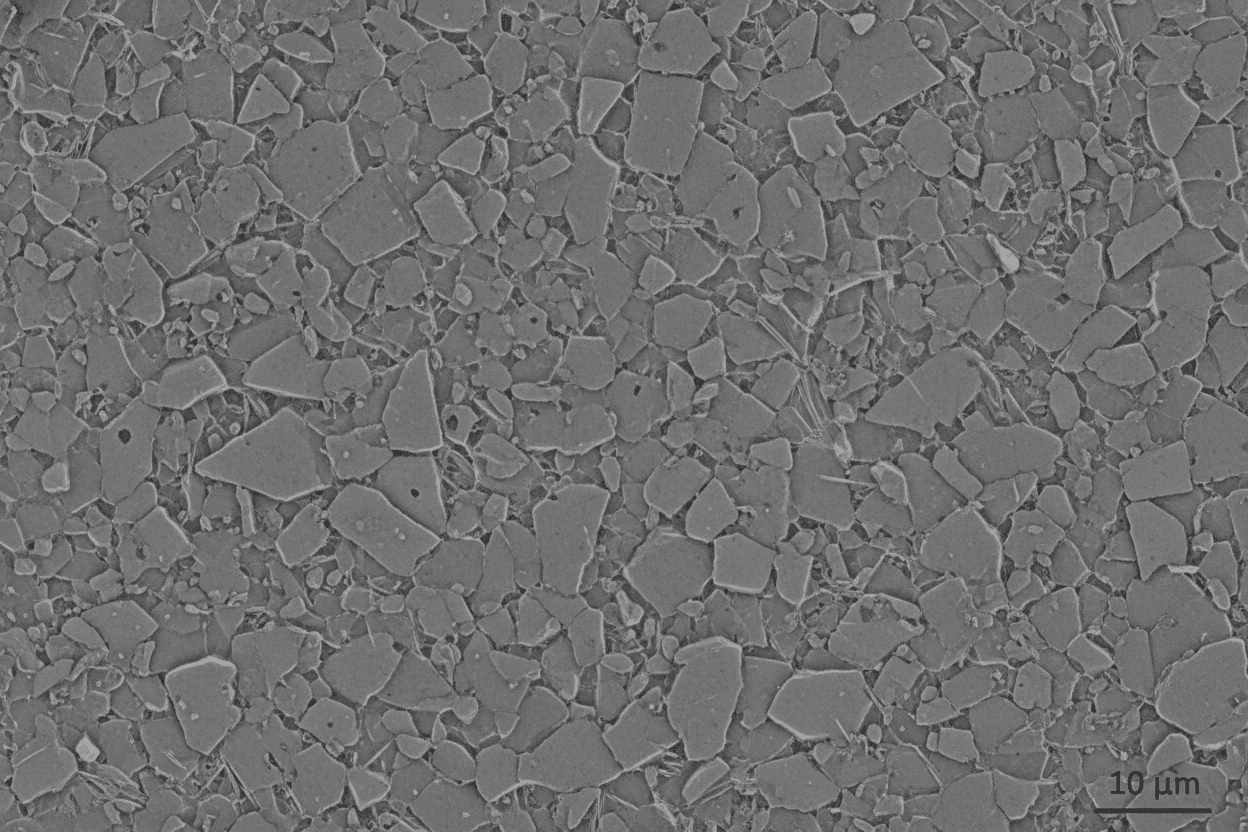
أما RBSC، فهي مثل درع مضاد للرصاص مغطى بالتفلون. يتم تصنيعه عن طريق أخذ كربيد السيليكون (الذي يعد بالفعل من أصعب المواد على وجه الأرض) ونقعه بالسيليكون السائل عند درجات حرارة قصوى. يتدفق السيليكون السائل إلى كل ثقب ومسام مجهرية، مكونا سطحا كثيفا تماما وخال من المسام. وبما أنه لا توجد فجوات مجهرية، فإن السائل الكاشط لا يجد شيئا "يعلق" عليه، ولا يوجد مكان للمواد الكيميائية المسببة للتآكل.
مقاومة الصدمات الحرارية: تشبيه "الزجاج الساخن"
في نظام FGD، يصطدم غاز العادم الساخن (غالبا ما يتجاوز 150°C إلى 300°C) بعنف مع خليط الحجر الجيري البارد.
إذا سكبت ماء مثلج في كوب زجاجي ساخن، يتحطم الزجاج فورا بسبب التمدد والانكماش الحراري السريع. هذا ما يعرف باسم الصدمة الحرارية، وهو السبب الرئيسي في فشل السيراميك التقليدي (مثل الألومينا) في أجهزة التنقية. يمتلك RBSC معامل تمدد حراري منخفض للغاية وموصلية حرارية عالية. يمكنه امتصاص تصادم الحرارة الشديد الناتج عن غاز المداخن الذي يصطدم بسائل الرش البارد دون أن يتشقق أو يتحلل.
! البنية المجهرية لكربيد السيليكون المرتبط بالتفاعل تظهر سطحا خاليا من المسام
جدول مقارنة المواد: RBSC مقابل البدائل
لاتخاذ قرار شراء قائم على البيانات، يجب على مديري الأعمال بين الشركات النظر في العمر الافتراضي النسبي والحدود التشغيلية. إليك كيف يقارن RBSC بالمواد التقليدية المستخدمة في بيئات التنظيف:
| الخاصية المادية | فولاذ مقاوم للصدأ بسعة 316 لتر | سيراميك الألومينا (99٪) | RBSC (SiC مرتبط بالتفاعل) |
|---|---|---|---|
| مقاومة الاحتكاك | منخفض (يفشل بسرعة في السلوري) | هاي | استثنائيات (الأفضل في الصناعة) |
| مقاومة التآكل | متوسط (حساس للكلوريدات) | ممتاز | استثنائيي (محصن ضد معظم الأحماض) |
| مقاومة الصدمات الحرارية | ممتاز | فقير (عرضة للتحطم) | ممتاز (يتعامل مع دلتا T الشديد) |
| الوزن | ثقيل | متوسط | خفيف الوزن (سهل التركيب) |
| العمر المتوقع في FGD | 3 - 6 أشهر | 12 - 18 شهرا | 36 - 60+ شهر |
| رأس المال مقابل العائد على العمليات التشغيلية | مقدمة منخفضة وصيانة عالية | مقدمة متوسطة، خطر عال للكسر | مقدمة أعلى، أقل تكلفة إجمالية للملكية |
3. دليل خطوة بخطوة: حل كابوس انسداد سائل الحجر الجيري
بينما توفر المادة (RBSC) المتانة، فإن الهندسة الداخلية للفوهة تحدد الموثوقية التشغيلية. أكثر ما يقلق بين مهندسي الكيمياء هو انسداد الفوهات. عندما تسد الفوهة، يمر جزء من غاز العادم دون معالجة، مما يؤدي إلى مخالفات الامتثال للانبعاثات.
السلاح السري: الممر الحر الكبير
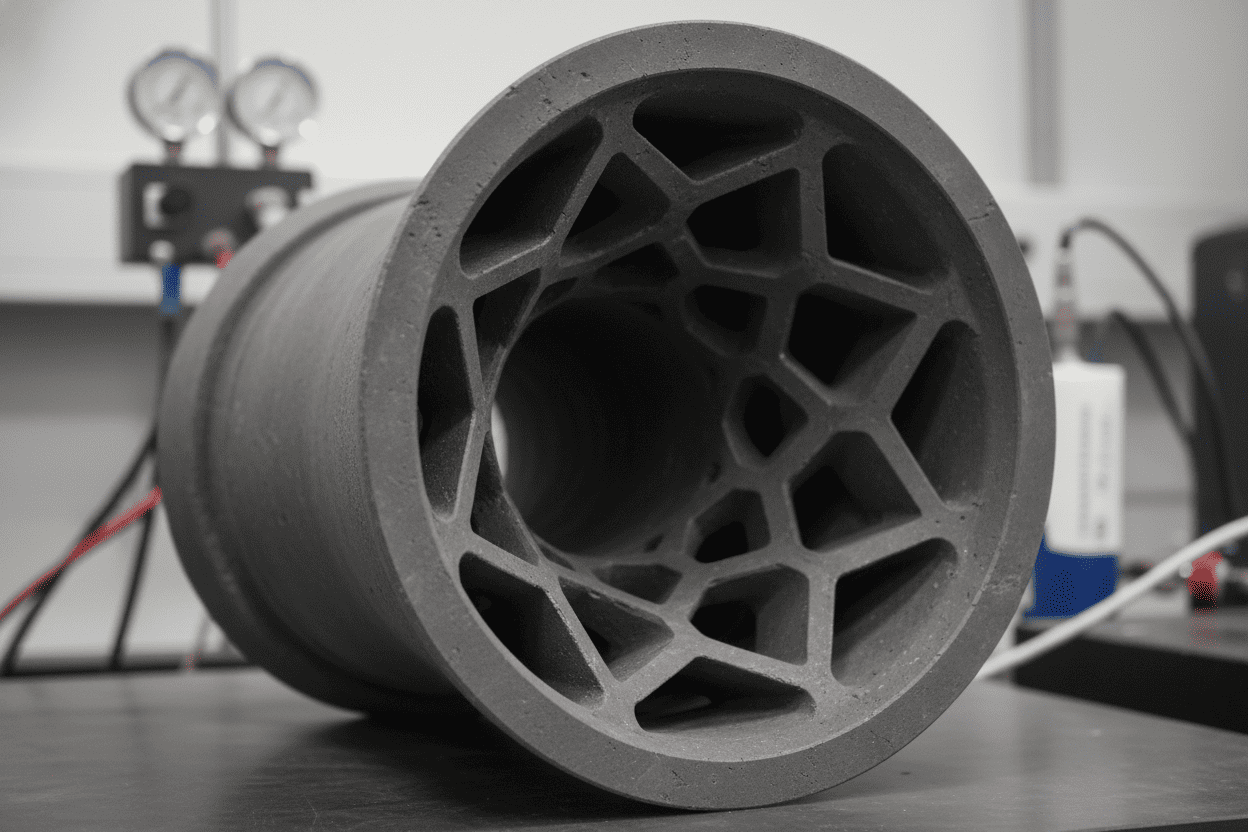
نظرا لأن RBSC قوي جدا من الناحية الهيكلية، يمكن للمصنعين تصميم فوهات بجدران أرق بكثير وتجاويف داخلية أكبر دون التأثير على سلامة الفوهة. هذا يسمح ب عبور حر كبير.
فكر في الفوهة القياسية كطريق ذو مسارين. إذا تعطلت شاحنة كبيرة (قطعة من الحجر الجيري غير المذاب)، يتوقف المرور تماما. تصميم الممر الحر الكبير يشبه طريقا ضخما مفتوحا بستة مسارات. يمكن لخليط الحجر الجيري السميك والسميك والطيني أن يتدفق بسهولة دون أن يعلق.
تنفيذ حلول فعالة لسد فوهة العجين الجيري (https://www.nozzle-intellect.com/blogDetail/limestone-slurry-nozzle-clogging-solutions-mastering-large-free-passage-geometric-design/40.html) يعتمد كليا على تحديد قطر الممر الحر الصحيح بالنسبة لأقصى حجم جسيمات في العجينة.
! تصميم هندسي كبير للممر الحر في فوهة RBSC يمنع الانسداد
3.1 السيناريو A: تحديد الفوهات لأبراج التنظيف عالية الاحتكاك
إذا كنت تقوم بترقية برج تنظيف يعاني من انسدادات متكررة، اتبع عملية المواصفات خطوة بخطوة:
- تحليل تحليل الروايات: حدد الحد الأقصى لحجم الجسيمات الصلبة في خليط الحجر الجيري الخاص بك.
- احسب قاعدة 3x: يجب أن يكون قطر "المرور الحر" للفوهة على الأقل 3 مرات من أكبر جسيم صلب في العجينة.
- اختر نمط الرش: لامتصاص FGD، أنماط رش المخروط الكامل أو المخروط المجوف هي القياسية. ينصح بشدة بفوهات الدوران (الدوامة) المصنوعة من RBSC لأنها تخلق ممرا كبيرا حر بشكل طبيعي عن طريق إزالة الريشات الداخلية.
- حدد نوع الاتصال: حدد الاتصالات ذات الحواف أو المتلطوبة. (ملاحظة: غالبا ما يتم ربط فوهات RBSC بأنابيب FRP أو أنابيب سبائك باستخدام تقنيات لف متخصصة بسبب صلابة السيراميك).
3.2 السيناريو ب: تحسين التبريد بغاز المداخن
في العديد من الأنظمة، قبل إزالة الكبريت من الغاز، يجب تبريده. يتطلب هذا تذهيرا دقيقا للغاية لضمان تبخر ماء التبريد بالكامل قبل أن يصل إلى جدران القناة (مما قد يسبب تراكم الطين الحمضي).
اختيار تقنية تبريد غاز المداخن الصحيحة (https://www.nozzle-intellect.com/blogDetail/atomization-technology-analysis-pressure-atomization-vs-pneumatic-atomization-in-flue-gas-cooling/31.html) أمر بالغ الأهمية هنا. يجب أن تختار بين:
- تذرية الضغط: تستخدم ضغط سائل عالي لتكسير الماء إلى قطرات. بسيط وموثوق، لكنه ينتج قطرات أكبر قليلا.
- التذرية الهوائية (بمساعدة الهواء): تستخدم الهواء المضغوط لتحطيم الماء إلى ضباب دقيق جدا. مثالي للتبريد السريع في الأماكن الضيقة، لكنه يتطلب تكاليف طاقة أعلى (هواء مضغوط).
المواصفات وجدول البيانات: اختيار تكوين فوهة RBSC الخاصة بك
| سيناريو التطبيق | التذرير الموصى به | نمط الرش المطلوب | الحد الأدنى لحجم الممر الحر | مؤشر الأداء الرئيسي (KPI) |
|---|---|---|---|---|
| امتصاص SO₂ الأولي | تذرية الضغط | المجوف الممسي/المخروط الكامل | > 20 مم | أقصى زمن تشغيل مستمر بدون انسدادات |
| تبريد الغاز عالي الحرارة | التذرية الهوائية | ضباب ناعم / مروحة مسطحة | > 5 مم | التبخر الكامل قبل ملامسة الجدار |
| غسل مزيد الضباب | تذرية الضغط | مخروط كامل | > 10 مم | تغطية موحدة، قوة تأثير عالية |
4. نصائح خبراء والمخاطر الشائعة التي يجب تجنبها
عند تصفح منصات مثل 'r/ChemicalEngineering' في Reddit أو 'منتديات Eng-Tips'، غالبا ما ترى مهندسي الصيانة يشعرون بالقلق بسبب أعطال أجهزة التنقية. إليك نصائح واقعية مجربة في المعارك لتجنب الأخطاء المكلفة.
المأزق 1: الاقتصاد الزائف "السبيكة الرخيصة"
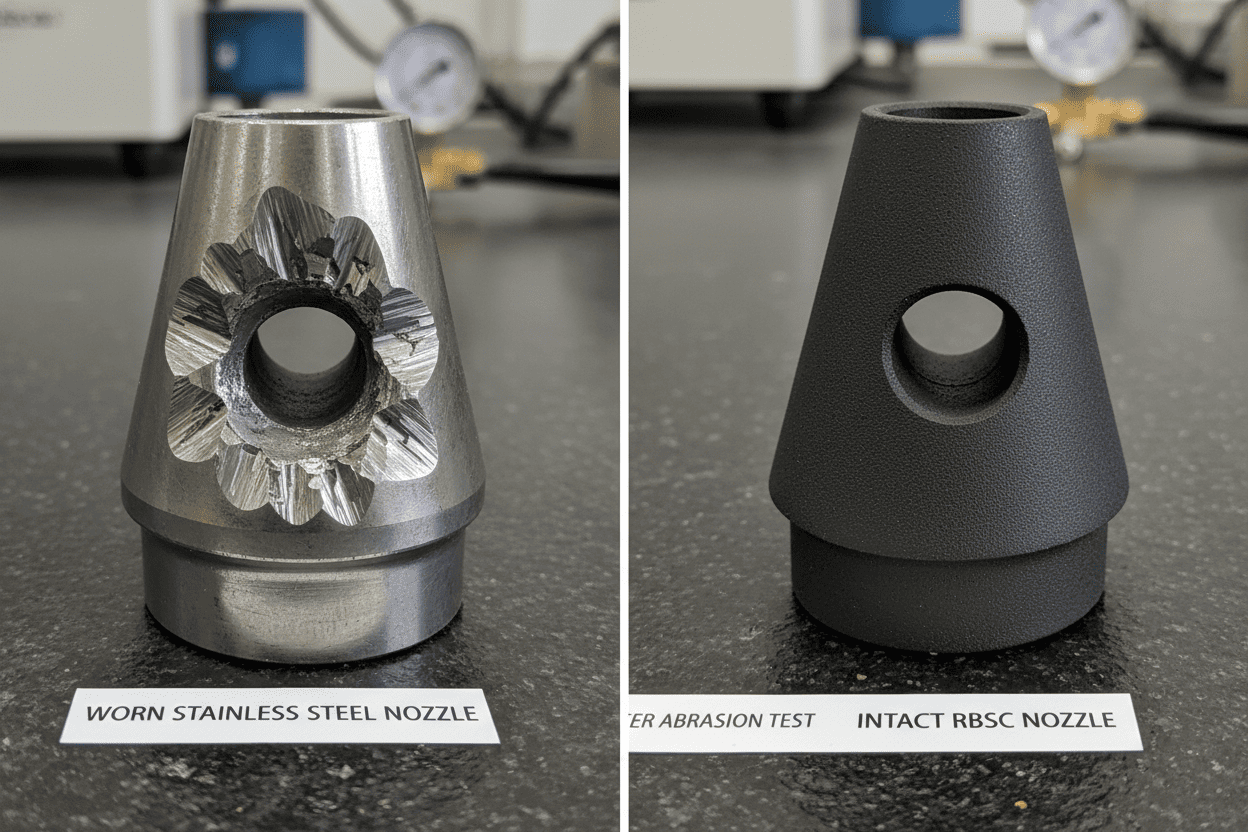
الخطأ: غالبا ما ينظر مديرو المشتريات إلى تكلفة الوحدة الأولية ويفضلون الفولاذ المقاوم للصدأ بسعة 316 لتر أو سبائك خاصة على RBSC لأنها أرخص بنسبة 30-50٪ مقدما. الواقع: العجينة ستدمر فوهة معدنية خلال 4 أشهر. استبدال الفوهات يتطلب إيقاف جهاز التنظيف، وتركيب السقالات داخل بيئة سامة، ودفع عمالة متخصصة. تكلفة إيقاف واحد لمدة 24 ساعة تفوق تكلفة شراء فوهات RBSC الفاخرة التي تدوم 5 سنوات. احسب دائما إجمالي تكلفة الملكية (TCO).
المأزق 2: تجاهل الرياح الداخلية
الخطأ: شراء فوهة RBSC لكن اختيار تصميم يحتوي على ريشات دوامة داخلية معقدة (X-vanes) لتحقيق رش مخروطي كامل مثالي. الواقع: الريشات الداخلية هي نقاط اختناق. حتى لو كانت المادة غير قابلة للتدمير، فإن مادة سميكة ستتراكم على الريشة وتسد الفوهة. نصيحة خبيرة: دائما حدد فوهات مماسية (زاوية قائمة) أو فوهات حلزونية بأقصى حرية المرور لخليط الحجر الجيري. دع الهندسة تقوم بالعمل، وليس العوائق الداخلية.
المأزق 3: سوء التعامل أثناء التركيب
الخطأ: معاملة RBSC كمعدن أثناء الصيانة. الواقع: رغم أن RBSC صلبة جدا ومقاومة للارتداء، إلا أنها لا تزال من السيراميك. يتمتع بقوة شد أقل من الفولاذ. إذا أسقط عامل صيانة فوهة RBSC على أرضية خرسانية أو تسبب في عزم زائد على حافة معدنية ضدها بدون حشوات مناسبة، فقد تتشقق أو تتشقق. نصيحة خبيرة: درب فريق الصيانة على التعامل مع السيراميك بشكل صحيح واستخدم دائما إعدادات عزم الدوران والحشيات المطاطية التي يحددها المصنع.
! فوهة الفولاذ المقاوم للصدأ البالية مقابل فوهة RBSC السليمة بعد اختبار الاحتكاك
5. الخاتمة والأفكار النهائية
يتطلب التنقل في تعقيدات إزالة الكبريت من غازات المداخن اتخاذ قرارات عملية ومبنية على البيانات. التآكل الشديد لروائب الحجر الجيري والبيئة الكيميائية القاسية لغازات العادم لا يترك مجالا للمواد المتضررة.
كربيد السيليكون المرتبط بالتفاعل (RBSC) ليس مجرد خيار مميز؛ وهو المعيار الأساسي في الصناعة لضمان تشغيل محطات الطاقة بشكل مستمر ومربح. من خلال الجمع بين مقاومة التآكل والصدمات الحرارية غير المثيل ل RBSC مع تصاميم هندسية ذكية من الممر الحر الكبير، يمكن للمهندسين القضاء بفعالية على كابوسين مزدوجين من تآكل الفوهة وانسداد العجينة.
6. الأسئلة الشائعة
س1: ما هو RBSC ولماذا يستخدم في أجهزة تنقية FGD؟ ج: كربيد السيليكون الملتصق بالتفاعل (RBSC) هو خزف فائق الصلابة مثالي لفوهات التنظير لأنه يتحمل الاحتكاك والتآكل الشديد لمخطب الحجر الجيري.
س2: كم تدوم فوهات RBSC مقارنة بالمعدن؟ ج: عادة ما تدوم فوهات RBSC من 36 إلى 60 شهرا، بينما عادة ما تفشل فوهات الفولاذ المقاوم للصدأ بسعة 316 لتر خلال 3–6 أشهر في نفس بيئة FGD.
السؤال 3: كيف أمنع خليط الحجر الجيري من انسداد الفوهات؟ ج: حدد تصميم ممر حر كبير بقطر داخلي لا يقل عن ثلاثة أضعاف أكبر جسيم صلب في العجينة.
السؤال 4: أي نمط رش يعمل بشكل أفضل لامتصاص SO₂؟ ج: ينصح باستخدام أنماط مجوفة أو مخروطية كاملة للامتصاص الأولي، لأنها توفر ممرا حرا كبيرا وتقلل من الانسدادات الداخلية.
س5: هل يتطلب RBSC معالجة خاصة أثناء التركيب؟ ج: نعم. RBSC هو سيراميك، لذا تجنب إسقاطه أو إفرط شد الحواف. استخدم دائما إعدادات عزم الدوران المحددة من الشركة المصنعة وحشيات مناسبة.
ملخص سريع: لماذا يفوز RBSC
| ميزة | الفائدة الهندسية | عائد الأعمال |
|---|---|---|
| كثافة خالية من المسام | محصن ضد التآكل السائل والهجوم الكيميائي. | يلغي تكاليف استبدال الفوهة المتكررة. |
| الموصلية الحرارية العالية | ينجو من صدمة غاز 200°C وهو يصطدم بالسائل البارد. | يمنع تحطم السيراميك الكارثي أثناء العملية. |
| يسمح بجدران أرق | يتيح الهندسة الداخلية "الممر الحر الكبير". | يقلل بشكل كبير من الانسداد وفترات التوقف غير المجدول. |
| القوة الخفيفة | أسهل في التركيب على أنابيب رأس FRP الداخلية. | يقلل من الإجهاد الهيكلي على أجزاء التنظيف الداخلية. |
الخطوات التالية: هل تعاني حاليا من توقف مفرط بسبب فشل فوهة التنظيف؟ توقف عن إهدار ميزانية الصيانة على مواد رديئة. قم بتدقيق حجم جسيمات العجين الحالي، واحسب العبور الحر المطلوب، وقم بالترقية إلى هندسة RBSC المصممة خصيصا لمعدلات التدفق لديك.
إذا وجدت هذا الدليل مفيدا لدورة الشراء القادمة، ضع هذه الصفحة في المفضلة لفريق الهندسة الخاص بك، أو استكشف تحليلاتنا العميقة في تقنيات التذرية المذكورة أعلاه.