



كيفية القضاء على عيوب نقش لوحة PCB: الدليل النهائي لفوهات PVDF
إذا كنت تدير خط تصنيع لوحات مطبوعة عالية الكثافة، فأنت تعرف بالفعل كابوس الحفر غير المتساوي. فوهة واحدة مسدودة أو ملتوية أو مذائبة في حوض الاستحمام الكيميائي يمكن أن تدمر آلاف الدولارات من لوحات الدوائر في دقائق. بينما تحاول العديد من المنشآت تقليل التكاليف باستخدام فوهات بلاستيكية أو معدنية قياسية، فإن العقاب المستمر على كلوريد الكوربريك وكلوريد الحديد يؤدي بسرعة إلى تدهورها، مما يؤدي إلى أنماط رش غير متوقعة وفترات توقف هائلة. في هذا الدليل الشامل، سنستعرض لماذا الترقية إلى فوهات مواد PVDF هي استراتيجية "التثبيت والنسيان" النهائية. ستتعلم كيفية حساب عائد الاستثمار للبلاستيك المقاوم للمواد الكيميائية، وتحسين أنماط الرش للنقش بدون عيوب، وجعل عملية التصنيع محصنة تماما.
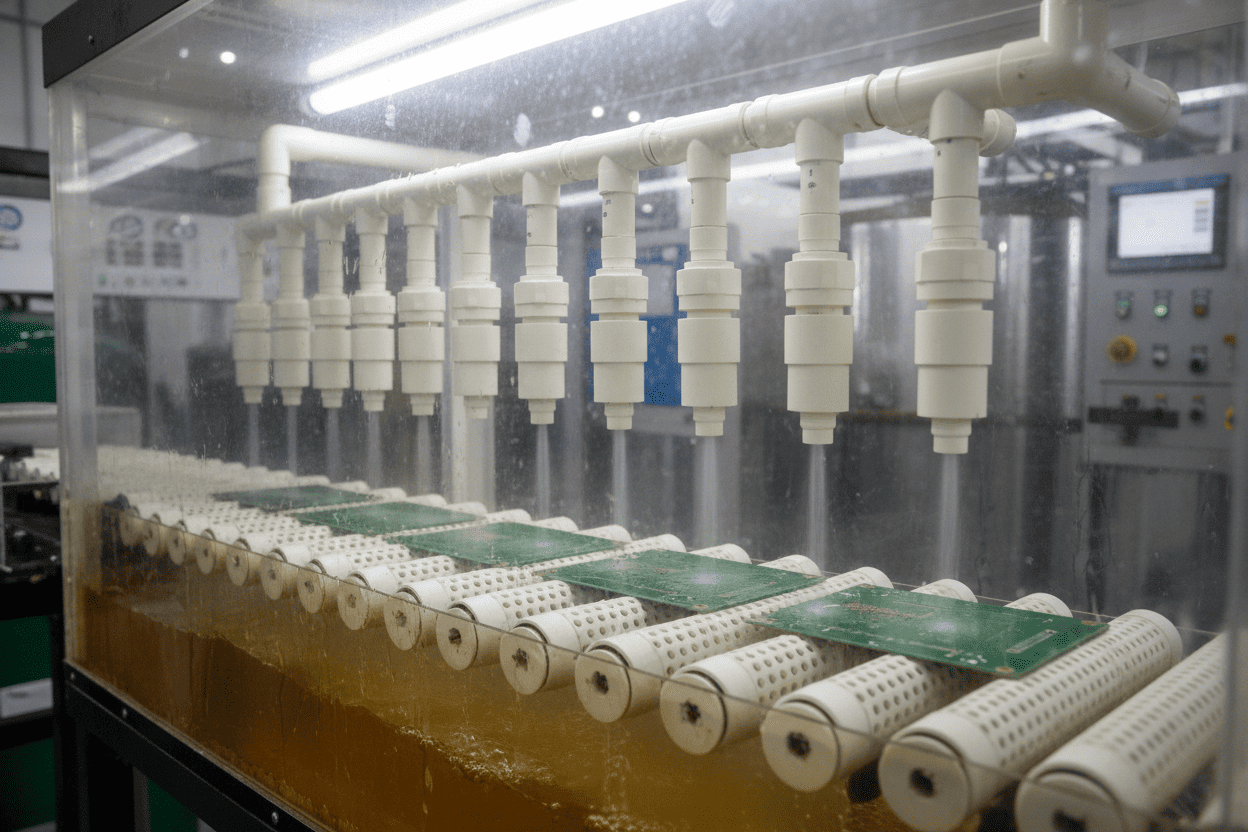
! فوهات مروحة مسطحة صناعية من PVDF مثبتة في غرفة النقش الكيميائي للدوائر المطبوعة
سواء كنت تقوم بتحديث آلة حفر قديمة أو تصمم خطا جديدا، فإن فهم الهندسة وراء حلول الرش عالية الأداء هو الخطوة الأولى نحو تحقيق عائد تصنيع مثالي وقابل للتكرار.
جدول المحتويات
- [1. فهم تحديات نقش لوحة PCB: الأساسيات] (#1-فهم تحدي نقش لوحة مطبوعة مطبوعة للأساسيات)
- [2. مفاهيم أساسية مبسطة: لماذا تعتبر PVDF "سترة مضادة للرصاص" للإتشانت (#2-core-concepts-simplified-why-pvdf-iscept-the-bullet-proof-stator-for-ents)
- [3. دليل خطوة بخطوة: تحسين عملية نقش لوحة المطبوعات (#3-خطوة بخطوة-تحسين-تحسين-الدوائر المطبوعة-الخاصة بك)
- [4. نصائح الخبراء والأخطاء الشائعة التي يجب تجنبها] (#4 نصائح الخبراء - الأخطاء الشائعة التي يجب تجنبها)
- [5. الخاتمة والأفكار النهائية](#5-خاتمة--أفكار أخيرة)
- 1. 1. فهم تحديات نقش لوحة الدوائر المطبوعة: الأساسيات
- 2. 2. مبسط المفاهيم الأساسية: لماذا تعتبر PVDF "سترة مضادة للرصاص" للعبة Etchants
- 2.1. مقارنة المواد: دليل البقاء على قيد الحياة في غرفة النقش
- 3. 3. دليل خطوة بخطوة: تحسين عملية نقش لوحة الدوائر المطبوعة
- 3.1. 3.1 تحقيق نقش بدون عيوب باستخدام أنماط رش دقيقة
- 3.2. 3.2 متانة النظام ومنع الأعطال الكارثية
- 3.3. بيانات المواصفات الأساسية لاختيار فوهات PVDF
- 4. 4. نصائح خبراء والمخاطر الشائعة التي يجب تجنبها
- 5. 5. الخاتمة والأفكار النهائية
- 5.1. ملخص سريع: قائمة التحقق من العائد على الاستثمار في PVDF
- 6. 2. مبسط المفاهيم الأساسية: لماذا تعتبر PVDF "سترة مضادة للرصاص" للعبة Etchants
- 6.1. مقارنة المواد: دليل البقاء على قيد الحياة في غرفة النقش
- 7. 3. دليل خطوة بخطوة: تحسين عملية نقش لوحة الدوائر المطبوعة
- 7.1. 3.1 تحقيق نقش بدون عيوب باستخدام أنماط رش دقيقة
- 7.2. 3.2 متانة النظام ومنع الأعطال الكارثية
- 7.3. بيانات المواصفات الأساسية لاختيار فوهات PVDF
- 8. 4. نصائح خبراء والمخاطر الشائعة التي يجب تجنبها
- 9. 5. الخاتمة والأفكار النهائية
- 9.1. ملخص سريع: قائمة التحقق من العائد على الاستثمار في PVDF
1. فهم تحديات نقش لوحة الدوائر المطبوعة: الأساسيات
في عالم تصنيع لوحات الدوائر المطبوعة (PCB) التنافسي للغاية، الدقة ليست مجرد هدف؛ إنه شرط صارم. مع طلب الإلكترونيات الاستهلاكية لألواح الربط عالي الكثافة (HDI) أصغر وأكثر كثافة، انخفض تحمل أخطاء التصنيع إلى مستويات مجهرية.
تعد عملية الحفر على الأرجح المرحلة الأكثر أهمية في تصنيع لوحات الدوائر المطبوعة. خلال هذه المرحلة، يتم رش النقش الكيميائي شديد التآكل — وغالبا ما يكون كلوريد الكوب أو الكلوريد الحديدي — على طبقة النحاس المغطاة بالنحاس لإذابة النحاس غير المحمي، تاركة المسارات الكهربائية الدقيقة.
التكلفة الخفية للمعدات دون المستوى يقلل العديد من مهندسي العمليات ومديري المشتريات من شأن البيئة القاسية داخل غرفة الحفر. تعمل هذه المواد الكيميائية عند درجات حرارة مرتفعة (غالبا بين 45°م و55°م) وهي شديدة التآكل الشديد. عندما تتعرض فوهات PVC أو البولي بروبيلين القياسية (PP) لهذا البيئة، تحدث عدة أعطال كارثية:
- تورم الفتحة: فتحة الفوهة تتمدد، مما يخفض ضغط الرش بشكل كبير ويغير حجم القطرة.
- تشوه المادة: البلاستيك يلين، مما يؤدي إلى انحراف زاوية الرش. بدلا من ضرب لوحة الدوائر بزاوية 90 درجة مثالية، ينحرف النقش ويسبب "بركة" على اللوحة.
- الحفر الناقص والحفر الزائد: تمنع البرك الحفر الطازج من الوصول إلى النحاس (الحفر المنخفض)، بينما المناطق عالية الضغط المائلة تلتهم المسارات المحمية (الحفر الزائد).
لهذا السبب، اختيار المادة المناسبة ليس مجرد مسألة صيانة — بل هو المحرك المباشر لربحية مصنعك ومعدل العائد بشكل عام.
2. مبسط المفاهيم الأساسية: لماذا تعتبر PVDF "سترة مضادة للرصاص" للعبة Etchants
لفهم سبب اعتبار PVDF (فلوريد البوليفينيليدين) المعيار الذهبي لنقش لوحة المطبوعات، نحتاج إلى إزالة الكيمياء المعقدة والنظر إليها بلغة بسيطة.
تخيل إرسال جندي إلى ساحة معركة. إذا زودتهم بقميص قطني عادي (يمثل البلاستيك الرخيص من PVC أو PP)، فسوف يتمزقون بفعل الشظايا (الأحماض المسببة للتآكل). إذا أعطيتهم درعا فولاذيا ثقيلا، قد يوقف الشظايا، لكنه في النهاية سيصدأ ويتشنج. أما PVDF، فهي مثل سترة واقية من الرصاص عالية التقنية، خفيفة. إنه فلوروبوليمر متقدم عالي النقاء — فكر فيه كأنه تفلون صناعي. ببساطة لا يتفاعل مع الأحماض القاسية التي تدمر المواد الأخرى.
عند مقارنة فوهات الفولاذ المقاوم للصدأ مقابل البلاستيك، يعتقد العديد من المهندسين خطأ أن المعدن دائما أقوى. ومع ذلك، في وجود الكلوريدات، حتى الفولاذ المقاوم للصدأ سعة 316 لتر سيتعرض لتآكل شديد في الحفر الحساسة. يبقى PVDF خامدا تماما، محافظا على هندسته الداخلية الدقيقة حتى بعد شهور من التشغيل المستمر على مدار الساعة.
مقارنة المواد: دليل البقاء على قيد الحياة في غرفة النقش
| ميزة / مواد | PVDF (فلورايد بولي فينيليدين) | PP (بولي بروبيلين) | CPVC / PVC | فولاذ مقاوم للصدأ بسعة 316 لتر |
|---|---|---|---|---|
| مقاومة كلوريد الكوب الكهربائي | ممتاز (خامل) | عادي (يتضخم مع مرور الوقت) | فقير (يذوب ويختنق) | فقير (حفر شديد) |
| أقصى درجة حرارة تشغيل | حتى 150°م (300°ف) | 80°C (176°F) | 60°C - 90°C | 400°C+ |
| التآكل والكاشط | مرتفع جدا | متوسط | منخفض | مرتفع جدا |
| التكلفة مقابل العائد على العمر الافتراضي | الأعلى (تثبيت ونسيان) | انخفاض (الاستبدال المتكرر) | أدنى معدل عيوب مرتفع | منخفض (فشل في الكلوريدات) |
| أفضل تطبيق | نقش حمضي قاس / تطور | شطف خفيف / غسل خفيف | خطوط المياه منخفضة الحرارة | تنظيف المياه بالضغط العالي |
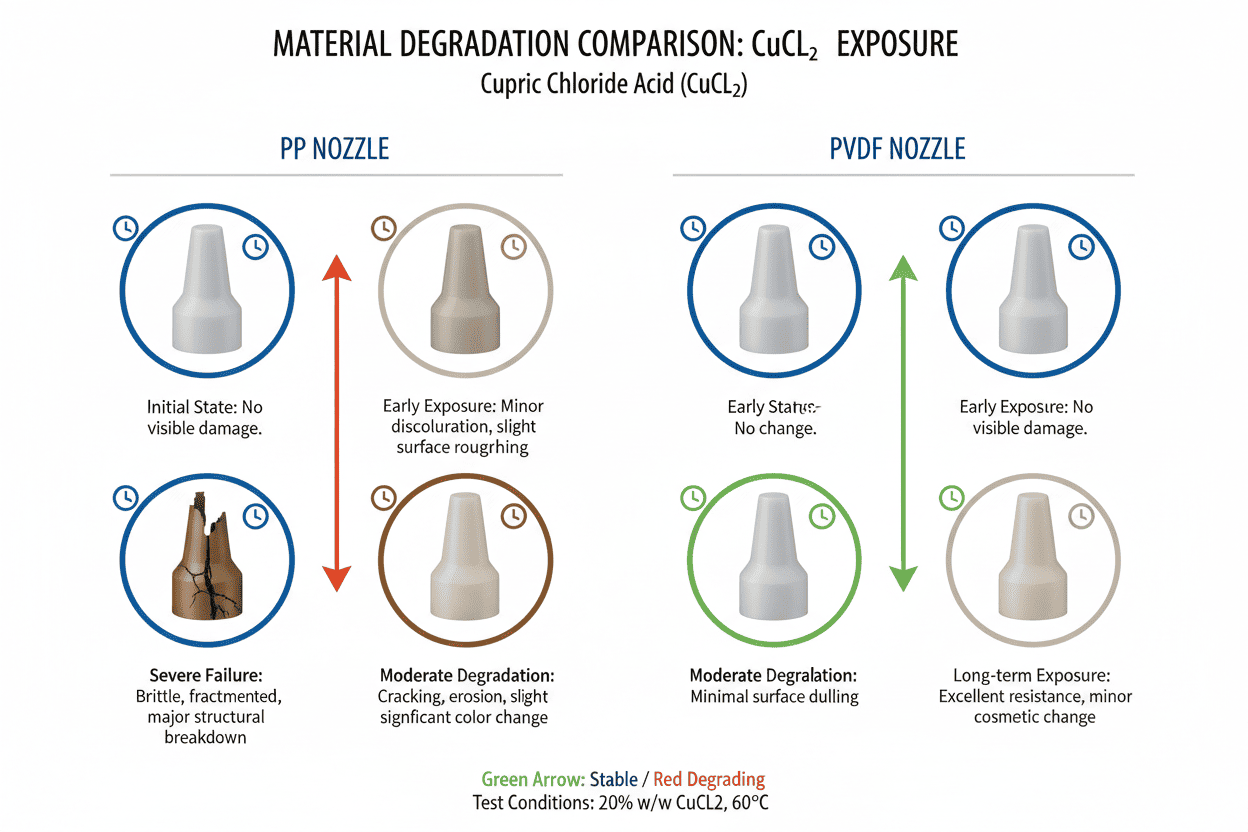
! مخطط مقارنة يظهر تحلل فوهات PP مقابل PVDF في حمض كلوريد الكوبريك
3. دليل خطوة بخطوة: تحسين عملية نقش لوحة الدوائر المطبوعة
الترقية إلى PVDF هي نصف المعركة فقط. لتحقيق تصنيع حقيقي بدون عيوب، يجب عليك هندسة ديناميكيات الرش وبنية النظام بعناية. إليك دليل عملي خطوة بخطوة لتحسين غرفة الحفر الخاصة بك.
3.1 تحقيق نقش بدون عيوب باستخدام أنماط رش دقيقة
شكل الرذاذ مهم بقدر أهمية مادة الفوهة. لنقش لوحة المطبوعات، يجب أن تستخدم حصريا فوهات رش المروحة المسطحة.
لماذا؟ فكر في الفرق بين خرطوم الحديقة الرخيص ورأس الدش الفاخر والواسع التغطية. خرطوم الحديقة (فوهة مخروطية صلبة) يطلق مركزا ثقيلا من الماء، مما قد يحفر مركز لوحة الدوائر بشكل مفرط مع ترك الحواف دون أن تمس. فوهة المروحة المسطحة تعمل مثل ممسحة سائلة. ينتج شفرة رقيقة جدا وموحدة جدا من مادة النقش الكيميائي التي تمتد عبر سطح لوحة الدائرة المستوية، مما يضمن حصول كل مليمتر مربع على نفس التعرض الكيميائي بالضبط.
ومع ذلك، زاوية ذلك "النصل" مهمة جدا. عند تصميم مشعبات رأس الرش، اختيار زاوية رش المروحة المسطحة الصحيحة يحدد التداخل.
- الزوايا الضيقة (15°-25°): تنتج قوة اصطدام أعلى. مثالي لكسر المقاومات الضوئية القوية في مرحلة التطور.
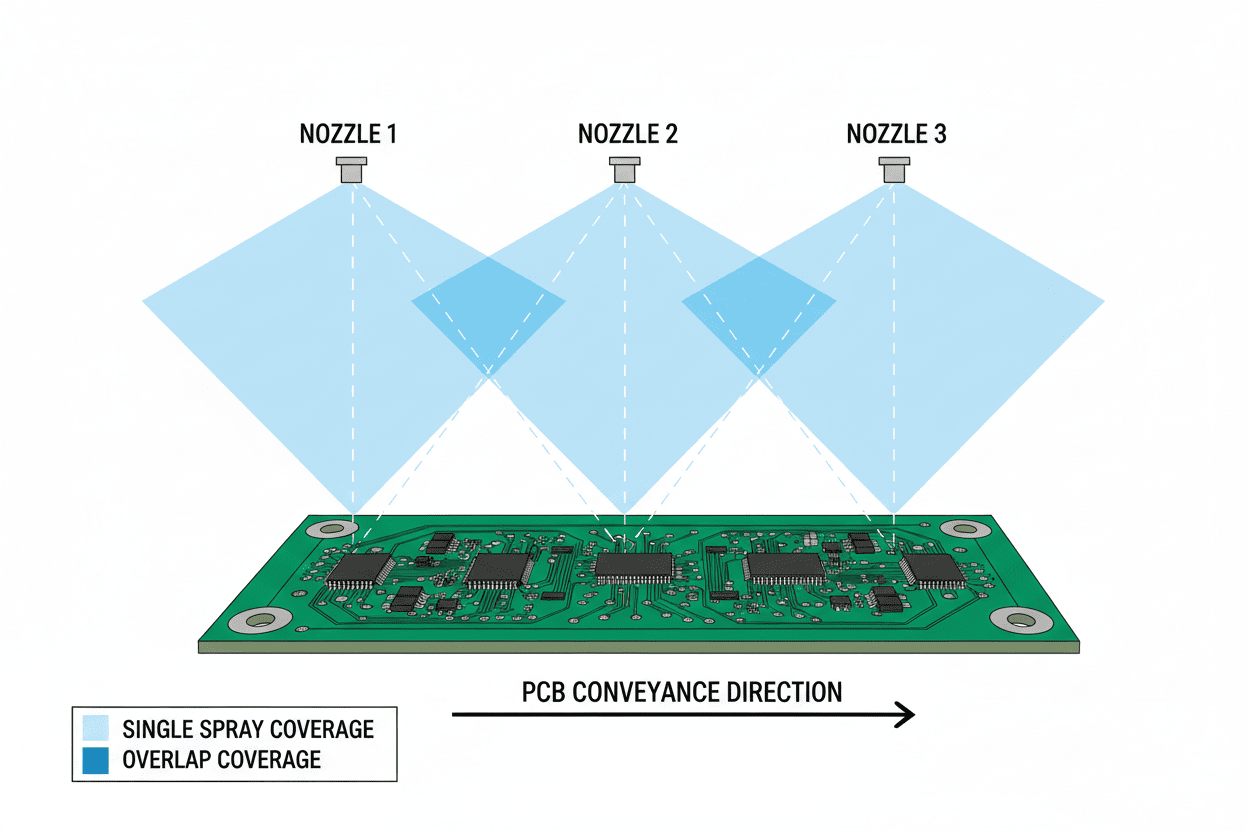
- الزوايا الواسعة (65°-110°): تنتج ضبابا أوسع ونعومة. مثالي للتداخل بين المصفوفات في غرفة النقش لضمان تغطية مستمرة وخالية من البرك.
! مخطط يوضح تداخل فوهات رش المروحة المسطحة واسعة الزاوية على لوحة الدوائر المطبوعة
3.2 متانة النظام ومنع الأعطال الكارثية
حتى أفضل فوهات PVDF قد تفشل إذا كان نظام السباكة المحيط مصمما بشكل سيء. عدو خفي رئيسي في أنابيب الأنابيب الصناعية هو تأثير مطرقة الماء.
عندما تتوقف مضخة الضغط العالي فجأة، أو يغلق صمام الملف اللولبي سريع المفهول، لا تجد طاقة السائل المتحرك مفرجا لتختفي. يرسل موجة صدمة هائلة ("مطرقة") عبر الأنابيب، مما يجعلها تضرب بعنف. مع مرور الوقت، يمكن لهذه الموجات الصدمية أن تنفجر فوهات البلاستيك من مقابسها الملولبة، مما يسبب تسرب كيميائي كارثي ويوقف الإنتاج.
لضمان عمر نظامك، يجب عليك دمج السلامة الهيكلية ل PVDF مع التصميم الهيدروليكي المناسب لحماية من تأثيرات المطرقة المائية. يشمل ذلك تركيب مخمدات النبض، ومحركات التردد المتغير ذات التشغيل الناعم (VFDs) على مضخاتك، واستخدام تصاميم خيوط قوية (مثل NPT أو BSPT) على فوهات PVDF.
بيانات المواصفات الأساسية لاختيار فوهات PVDF
عند التواصل مع فريق المشتريات أو المورد، استخدم مصفوفة المواصفات التالية لضمان طلب فوهات PVDF الصحيحة لخط الحفر الخاص بك:
| معامل المواصفات | النطاق الموصى به لنقش لوحات الدوائر المطبوعة | لماذا يهم ذلك |
|---|---|---|
| درجة المواد | 100٪ PVDF فيرجن | البلاستيك المعاد تدويره يحتوي على شوائب تهاجمها الأحماض. |
| حجم الخيط | 1/8"، 1/4"، أو 3/8" NPT/BSPT | يجب أن تتطابق مع مشعبات CPVC أو التيتانيوم الحالية لديك بشكل آمن. |
| نمط الرش | المروحة المسطحة (V-Jet) | يضمن تأثير "الممسحة السائلة" للنقش المتساوي. |
| زاوية الرش | من 65° إلى 95° | يسمح بتداخل مناسب بنسبة 20-30٪ بين الفوهات المتجاورة. |
| معدل التدفق (السعة) | من 1.0 إلى 5.0 GPM @ 30 PSI | يحدد سعر الصرف الكيميائي على سطح النحاس. |
4. نصائح خبراء والمخاطر الشائعة التي يجب تجنبها
عند تصفح منتديات الهندسة مثل EEVblog أو Eng-Tips، غالبا ما ترى مهندسي العمليات يشعرون بالقلق من عدم اتساق نتائج النقوش. غالبا ما يكون السبب الجذري هو خطأ بسيط في التركيب وليس منتج معيب. إليك أكثر الأخطاء شيوعا التي يجب تجنبها بناء على خبرة التصنيع الواقعية:
- المأزق 1: شد خيوط بلاستيكية مفرطة.
- الخطأ: فنيو الصيانة المعتادون على السباكة المعدنية غالبا ما يأخذون مفتاح ربط ويقومون بالضغط بقوة على فوهة PVDF. هذا يشد الخيوط وقد يسبب كسورا دقيقة في المانيفولد.
- *الحل: PVDF طبيعي ذاتي التشحيم ويشكل ختما رائعا. شد يدويا فقط، ثم أعطه ربع دورة كحد أقصى باستخدام مفتاح إذا لزم الأمر.
- الخطأ 2: استخدام مادة العزل الخطأ.
- الخطأ: استخدام دوب الأنبوب السائل القياسي أو شريط الخيط الرخيص الذي يذوب في كلوريد الكوربريك، مما يؤدي إلى تسربات وانخفاض الضغط.
- *الحل: * استخدم دائما شريط PTFE عالي الكثافة وعالي الكثافة من نوع PTFE (تفلون). لفها 2-3 مرات باتجاه الخيوط.
- المأزق 3: تجاهل الترشيح المداخل.
- الخطأ: بافتراض أن متانة PVDF تعني أنه قادر على التعامل مع الحطام الصلب. ورغم أنه لن يذوب، إلا أن قطعة من الفوتوريست المعالجة يمكن أن تسد الفتحة فعليا.
- *الحل: * دائما قم بتركيب مصفاة Y أو فلتر كيس أعلى رأس الرش لالتقاط الحطام قبل وصوله إلى الفوهات الدقيقة.
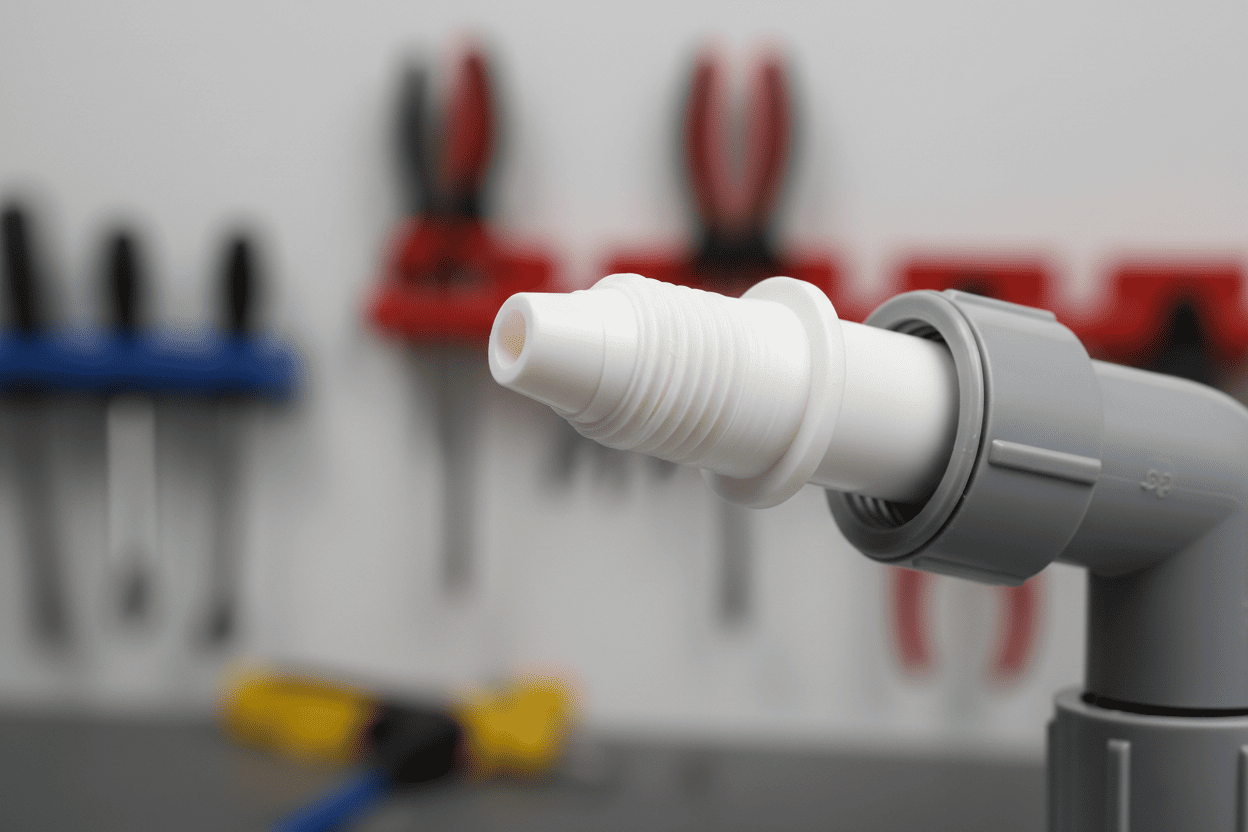
! تركيب صحيح مقابل خاطئ لفوهة رش بلاستيكية يظهر استخدام شريط الخيط
5. الخاتمة والأفكار النهائية
في بيئة تصنيع لوحات مطبوعات عالية المخاطر، تكون عملية الحفر موثوقة بقدر أضعف مكوناتك. الاستمرار في الاعتماد على فوهات PP أو PVC القياسية في حمامات الكوربريك أو الكلوريد الحديدية القاسية هو اقتصاد زائف. ورغم أنها قد تكون أرخص قليلا في البداية، إلا أن التكاليف الخفية لتوقف الآلات، والصيانة المتكررة، ولوحات الدوائر عالية الكثافة التي تم تفكيكها ستدمر هوامش ربحك.
بالترقية إلى فوهات المروحة المسطحة PVDF، فإنك تستثمر في حل "التركيب والنسيان". تحصل على أقصى مقاومة كيميائية، وتحافظ على أنماط رش دقيقة تماما للنقش بدون عيوب، وتحمي نظامك من فشل الضغط الكارثي.
ملخص سريع: قائمة التحقق من العائد على الاستثمار في PVDF
| عنصر الإجراء | الفائدة لخط الإنتاج الخاص بك |
|---|---|
| الترقية إلى مواد PVDF | يلغي ذوبان أو تشوه الفوهة؛ يمدد العمر من أسابيع إلى سنوات. |
| تنفيذ أنماط المراوح المسطحة | يمنع تجمع البرك والحفر غير المتساوي؛ يضمن ذوبان النحاس الموحد. |
| تصميم للتداخل (65°-95°) | يضمن تغطية اللوحة بنسبة 100٪ دون نقاط عمياء أو حفر مفرط بشكل عنيف. |
| تخفيف المطرقة المائية | يحمي المشعبات من التشقق ويمنع انفجار الفوهات. |
| شد يدويا واستخدم شريط PTFE | يمنع تقشر الخيوط ويضمن إحكام مقاوم للتسرب ومقاومة للأحماض. |
هل أنت مستعد لتحسين إنتاجيتك؟ توقف عن السماح للبلاستيك الرخيص بتحديد جودة التصنيع لديك. قم بتدقيق غرف النقش الخاصة بك اليوم، وحساب تكاليف التوقف الحالية، واتخذ القرار القائم على البيانات بالتحول إلى حلول الرش عالية الأداء PVDF. ## 1. فهم تحديات نقش لوحة الدوائر المطبوعة: الأساسيات
في عالم تصنيع لوحات الدوائر المطبوعة (PCB) التنافسي للغاية، الدقة ليست مجرد هدف؛ إنه شرط صارم. مع طلب الإلكترونيات الاستهلاكية لألواح الربط عالي الكثافة (HDI) أصغر وأكثر كثافة، انخفض تحمل أخطاء التصنيع إلى مستويات مجهرية.
تعد عملية الحفر على الأرجح المرحلة الأكثر أهمية في تصنيع لوحات الدوائر المطبوعة. خلال هذه المرحلة، يتم رش النقش الكيميائي شديد التآكل — وغالبا ما يكون كلوريد الكوب أو الكلوريد الحديدي — على طبقة النحاس المغطاة بالنحاس لإذابة النحاس غير المحمي، تاركة المسارات الكهربائية الدقيقة.
التكلفة الخفية للمعدات دون المستوى يقلل العديد من مهندسي العمليات ومديري المشتريات من شأن البيئة القاسية داخل غرفة الحفر. تعمل هذه المواد الكيميائية عند درجات حرارة مرتفعة (غالبا بين 45°م و55°م) وهي شديدة التآكل الشديد. عندما تتعرض فوهات PVC أو البولي بروبيلين القياسية (PP) لهذا البيئة، تحدث عدة أعطال كارثية:
- تورم الفتحة: فتحة الفوهة تتمدد، مما يخفض ضغط الرش بشكل كبير ويغير حجم القطرة.
- تشوه المادة: البلاستيك يلين، مما يؤدي إلى انحراف زاوية الرش. بدلا من ضرب لوحة الدوائر بزاوية 90 درجة مثالية، ينحرف النقش ويسبب "بركة" على اللوحة.
- الحفر الناقص والحفر الزائد: تمنع البرك الحفر الطازج من الوصول إلى النحاس (الحفر المنخفض)، بينما المناطق عالية الضغط المائلة تلتهم المسارات المحمية (الحفر الزائد).
لهذا السبب، اختيار المادة المناسبة ليس مجرد مسألة صيانة — بل هو المحرك المباشر لربحية مصنعك ومعدل العائد بشكل عام.
2. مبسط المفاهيم الأساسية: لماذا تعتبر PVDF "سترة مضادة للرصاص" للعبة Etchants
لفهم سبب اعتبار PVDF (فلوريد البوليفينيليدين) المعيار الذهبي لنقش لوحة المطبوعات، نحتاج إلى إزالة الكيمياء المعقدة والنظر إليها بلغة بسيطة.
تخيل إرسال جندي إلى ساحة معركة. إذا زودتهم بقميص قطني عادي (يمثل البلاستيك الرخيص من PVC أو PP)، فسوف يتمزقون بفعل الشظايا (الأحماض المسببة للتآكل). إذا أعطيتهم درعا فولاذيا ثقيلا، قد يوقف الشظايا، لكنه في النهاية سيصدأ ويتشنج. أما PVDF، فهي مثل سترة واقية من الرصاص عالية التقنية، خفيفة. إنه فلوروبوليمر متقدم عالي النقاء — فكر فيه كأنه تفلون صناعي. ببساطة لا يتفاعل مع الأحماض القاسية التي تدمر المواد الأخرى.
عند مقارنة فوهات الفولاذ المقاوم للصدأ مقابل البلاستيك، يعتقد العديد من المهندسين خطأ أن المعدن دائما أقوى. ومع ذلك، في وجود الكلوريدات، حتى الفولاذ المقاوم للصدأ سعة 316 لتر سيتعرض لتآكل شديد في الحفر الحساسة. يبقى PVDF خامدا تماما، محافظا على هندسته الداخلية الدقيقة حتى بعد شهور من التشغيل المستمر على مدار الساعة.
مقارنة المواد: دليل البقاء على قيد الحياة في غرفة النقش
| ميزة / مواد | PVDF (فلورايد بولي فينيليدين) | PP (بولي بروبيلين) | CPVC / PVC | فولاذ مقاوم للصدأ بسعة 316 لتر |
|---|---|---|---|---|
| مقاومة كلوريد الكوب الكهربائي | ممتاز (خامل) | عادي (يتضخم مع مرور الوقت) | فقير (يذوب ويختنق) | فقير (حفر شديد) |
| أقصى درجة حرارة تشغيل | حتى 150°م (300°ف) | 80°C (176°F) | 60°C - 90°C | 400°C+ |
| التآكل والكاشط | مرتفع جدا | متوسط | منخفض | مرتفع جدا |
| التكلفة مقابل العائد على العمر الافتراضي | الأعلى (تثبيت ونسيان) | انخفاض (الاستبدال المتكرر) | أدنى معدل عيوب مرتفع | منخفض (فشل في الكلوريدات) |
| أفضل تطبيق | نقش حمضي قاس / تطور | شطف خفيف / غسل خفيف | خطوط المياه منخفضة الحرارة | تنظيف المياه بالضغط العالي |
! مخطط مقارنة يظهر تحلل فوهات PP مقابل PVDF في حمض كلوريد الكوبريك
3. دليل خطوة بخطوة: تحسين عملية نقش لوحة الدوائر المطبوعة
الترقية إلى PVDF هي نصف المعركة فقط. لتحقيق تصنيع حقيقي بدون عيوب، يجب عليك هندسة ديناميكيات الرش وبنية النظام بعناية. إليك دليل عملي خطوة بخطوة لتحسين غرفة الحفر الخاصة بك.
3.1 تحقيق نقش بدون عيوب باستخدام أنماط رش دقيقة
شكل الرذاذ مهم بقدر أهمية مادة الفوهة. لنقش لوحة المطبوعات، يجب أن تستخدم حصريا فوهات رش المروحة المسطحة.
لماذا؟ فكر في الفرق بين خرطوم الحديقة الرخيص ورأس الدش الفاخر والواسع التغطية. خرطوم الحديقة (فوهة مخروطية صلبة) يطلق مركزا ثقيلا من الماء، مما قد يحفر مركز لوحة الدوائر بشكل مفرط مع ترك الحواف دون أن تمس. فوهة المروحة المسطحة تعمل مثل ممسحة سائلة. ينتج شفرة رقيقة جدا وموحدة جدا من مادة النقش الكيميائي التي تمتد عبر سطح لوحة الدائرة المستوية، مما يضمن حصول كل مليمتر مربع على نفس التعرض الكيميائي بالضبط.
ومع ذلك، زاوية ذلك "النصل" مهمة جدا. عند تصميم مشعبات رأس الرش، اختيار زاوية رش المروحة المسطحة الصحيحة يحدد التداخل.
- الزوايا الضيقة (15°-25°): تنتج قوة اصطدام أعلى. مثالي لكسر المقاومات الضوئية القوية في مرحلة التطور.
- الزوايا الواسعة (65°-110°): تنتج ضبابا أوسع ونعومة. مثالي للتداخل بين المصفوفات في غرفة النقش لضمان تغطية مستمرة وخالية من البرك.
! مخطط يوضح تداخل فوهات رش المروحة المسطحة واسعة الزاوية على لوحة الدوائر المطبوعة
3.2 متانة النظام ومنع الأعطال الكارثية
حتى أفضل فوهات PVDF قد تفشل إذا كان نظام السباكة المحيط مصمما بشكل سيء. عدو خفي رئيسي في أنابيب الأنابيب الصناعية هو تأثير مطرقة الماء.
عندما تتوقف مضخة الضغط العالي فجأة، أو يغلق صمام الملف اللولبي سريع المفهول، لا تجد طاقة السائل المتحرك مفرجا لتختفي. يرسل موجة صدمة هائلة ("مطرقة") عبر الأنابيب، مما يجعلها تضرب بعنف. مع مرور الوقت، يمكن لهذه الموجات الصدمية أن تنفجر فوهات البلاستيك من مقابسها الملولبة، مما يسبب تسرب كيميائي كارثي ويوقف الإنتاج.
لضمان عمر نظامك، يجب عليك دمج السلامة الهيكلية ل PVDF مع التصميم الهيدروليكي المناسب لحماية من تأثيرات المطرقة المائية. يشمل ذلك تركيب مخمدات النبض، ومحركات التردد المتغير ذات التشغيل الناعم (VFDs) على مضخاتك، واستخدام تصاميم خيوط قوية (مثل NPT أو BSPT) على فوهات PVDF.
بيانات المواصفات الأساسية لاختيار فوهات PVDF
عند التواصل مع فريق المشتريات أو المورد، استخدم مصفوفة المواصفات التالية لضمان طلب فوهات PVDF الصحيحة لخط الحفر الخاص بك:
| معامل المواصفات | النطاق الموصى به لنقش لوحات الدوائر المطبوعة | لماذا يهم ذلك |
|---|---|---|
| درجة المواد | 100٪ PVDF فيرجن | البلاستيك المعاد تدويره يحتوي على شوائب تهاجمها الأحماض. |
| حجم الخيط | 1/8"، 1/4"، أو 3/8" NPT/BSPT | يجب أن تتطابق مع مشعبات CPVC أو التيتانيوم الحالية لديك بشكل آمن. |
| نمط الرش | المروحة المسطحة (V-Jet) | يضمن تأثير "الممسحة السائلة" للنقش المتساوي. |
| زاوية الرش | من 65° إلى 95° | يسمح بتداخل مناسب بنسبة 20-30٪ بين الفوهات المتجاورة. |
| معدل التدفق (السعة) | من 1.0 إلى 5.0 GPM @ 30 PSI | يحدد سعر الصرف الكيميائي على سطح النحاس. |
4. نصائح خبراء والمخاطر الشائعة التي يجب تجنبها
عند تصفح منتديات الهندسة مثل EEVblog أو Eng-Tips، غالبا ما ترى مهندسي العمليات يشعرون بالقلق من عدم اتساق نتائج النقوش. غالبا ما يكون السبب الجذري هو خطأ بسيط في التركيب وليس منتج معيب. إليك أكثر الأخطاء شيوعا التي يجب تجنبها بناء على خبرة التصنيع الواقعية:
- المأزق 1: شد خيوط بلاستيكية مفرطة.
- الخطأ: فنيو الصيانة المعتادون على السباكة المعدنية غالبا ما يأخذون مفتاح ربط ويقومون بالضغط بقوة على فوهة PVDF. هذا يشد الخيوط وقد يسبب كسورا دقيقة في المانيفولد.
- *الحل: PVDF طبيعي ذاتي التشحيم ويشكل ختما رائعا. شد يدويا فقط، ثم أعطه ربع دورة كحد أقصى باستخدام مفتاح إذا لزم الأمر.
- الخطأ 2: استخدام مادة العزل الخطأ.
- الخطأ: استخدام دوب الأنبوب السائل القياسي أو شريط الخيط الرخيص الذي يذوب في كلوريد الكوربريك، مما يؤدي إلى تسربات وانخفاض الضغط.
- *الحل: * استخدم دائما شريط PTFE عالي الكثافة وعالي الكثافة من نوع PTFE (تفلون). لفها 2-3 مرات باتجاه الخيوط.
- المأزق 3: تجاهل الترشيح المداخل.
- الخطأ: بافتراض أن متانة PVDF تعني أنه قادر على التعامل مع الحطام الصلب. ورغم أنه لن يذوب، إلا أن قطعة من الفوتوريست المعالجة يمكن أن تسد الفتحة فعليا.
- *الحل: * دائما قم بتركيب مصفاة Y أو فلتر كيس أعلى رأس الرش لالتقاط الحطام قبل وصوله إلى الفوهات الدقيقة.
! تركيب صحيح مقابل خاطئ لفوهة رش بلاستيكية يظهر استخدام شريط الخيط
5. الخاتمة والأفكار النهائية
في بيئة تصنيع لوحات مطبوعات عالية المخاطر، تكون عملية الحفر موثوقة بقدر أضعف مكوناتك. الاستمرار في الاعتماد على فوهات PP أو PVC القياسية في حمامات الكوربريك أو الكلوريد الحديدية القاسية هو اقتصاد زائف. ورغم أنها قد تكون أرخص قليلا في البداية، إلا أن التكاليف الخفية لتوقف الآلات، والصيانة المتكررة، ولوحات الدوائر عالية الكثافة التي تم تفكيكها ستدمر هوامش ربحك.
بالترقية إلى فوهات المروحة المسطحة PVDF، فإنك تستثمر في حل "التركيب والنسيان". تحصل على أقصى مقاومة كيميائية، وتحافظ على أنماط رش دقيقة تماما للنقش بدون عيوب، وتحمي نظامك من فشل الضغط الكارثي.
ملخص سريع: قائمة التحقق من العائد على الاستثمار في PVDF
| عنصر الإجراء | الفائدة لخط الإنتاج الخاص بك |
|---|---|
| الترقية إلى مواد PVDF | يلغي ذوبان أو تشوه الفوهة؛ يمدد العمر من أسابيع إلى سنوات. |
| تنفيذ أنماط المراوح المسطحة | يمنع تجمع البرك والحفر غير المتساوي؛ يضمن ذوبان النحاس الموحد. |
| تصميم للتداخل (65°-95°) | يضمن تغطية اللوحة بنسبة 100٪ دون نقاط عمياء أو حفر مفرط بشكل عنيف. |
| تخفيف المطرقة المائية | يحمي المشعبات من التشقق ويمنع انفجار الفوهات. |
| شد يدويا واستخدم شريط PTFE | يمنع تقشر الخيوط ويضمن إحكام مقاوم للتسرب ومقاومة للأحماض. |
هل أنت مستعد لتحسين إنتاجيتك؟ توقف عن السماح للبلاستيك الرخيص بتحديد جودة التصنيع لديك. قم بتدقيق غرف النقش الخاصة بك اليوم، وحساب تكاليف التوقف الحالية، واتخذ القرار القائم على البيانات بالتحول إلى حلول الرش عالية الأداء PVDF.